
Idea 1
Resetting Your Metabolism Through Liver Renewal
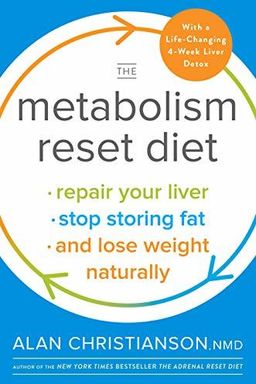
Have you ever wondered why some people seem to stay slim effortlessly while others battle every calorie? In The Metabolism Reset Diet, Dr. Alan Christianson argues that the secret lies not in willpower, genetics, or fad diets—but in the health of your liver. Your liver, he explains, is the metabolic command center. When it’s overloaded with stored fat and toxins, it can no longer regulate fuel use efficiently. The result: stubborn weight, fatigue, cravings, and hormone imbalances. But once your liver is restored, your metabolism naturally rebalances itself—allowing you to lose inches from your waist and maintain energy with ease.
The Metabolism Problem: Why Diets Fail
Christianson opens with a relatable paradox: why do some people seem able to indulge freely while others can’t lose weight despite endless effort? Contrary to popular belief, thin people don’t simply have more discipline. They have a flexible metabolism—one that can effortlessly switch between storing and burning fuel. Most diets fail, he argues, because they target calories or macronutrients (carbs vs. fats) without addressing the organ responsible for metabolic flexibility: the liver. When the liver’s storage system is clogged with triglycerides and toxins, it loses its ability to release energy smoothly, trapping people in cycles of hunger and fatigue.
The Liver: The Metabolic Epicenter
Few people realize the liver’s vast responsibilities. Beyond filtering toxins, it regulates hormones, stores glycogen (fast fuel), and manages triglycerides (slow fuel). According to Christianson, a healthy liver stores fuel when food is abundant and releases energy during fasting or exercise—a process known as metabolic flexibility. But a clogged liver can’t keep pace. Instead of converting stored energy back into usable fuel, it traps fat and triggers inflammation. The consequence is “metabolic inflexibility,” where missing one meal sparks cravings, brain fog, and fatigue. Yet the encouraging truth is that the liver is exceptionally resilient; with the right nutrients and reduced overload, it can regenerate within weeks.
From Science to Strategy: A Four-Week Reset
Christianson draws on clinical results from thousands of participants who followed his four-week program built around two liquid shakes, one solid meal, and unlimited fiber-rich snacks. This structure gives the liver what he calls a “rest-and-repair window.” Participants supply high-quality protein and resistant starch to encourage detoxification, while keeping overall fuel low enough to clear out stored fat. In clinical trials, women lost an average of 2½ inches from their waist, and men improved metabolism markers dramatically. This was achieved without intense exercise or deprivation—just a focused combination of liver-nurturing nutrients, hydration, and gentle movement.
Why a Liver Reset Matters Now
Today, Christianson warns, we live in a world where our livers are under siege. Processed food, environmental toxins, chronic stress, and late-night schedules push the liver beyond its adaptive limits. The result is an epidemic of nonalcoholic fatty liver disease (NAFL), which affects up to 40 percent of American adults, often without symptoms. Fatigue, stubborn belly weight, and hormonal imbalances are early signs of this silent liver clog.
For Christianson, addressing this organ isn’t just about aesthetics—it’s about reclaiming health from the inside out. A renewed liver improves insulin sensitivity, lowers blood pressure, stabilizes cholesterol, and even reverses autoimmune conditions. One case study he shares features a diabetic patient who became medication-free within weeks once her liver healed. This isn’t about quick fixes but metabolic rebirth through organ recovery.
A New Paradigm in Metabolic Health
Unlike fad diets that demonize carbs or glorify ketones, the Metabolism Reset relies on biological harmony—balancing macronutrients, timing meals, and restoring nutritional adequacy. Christianson’s method combines physiology, psychology, and practical simplicity: limited food decisions to reduce “decision fatigue,” nutrient diversity to promote liver detox, and short “micro-workouts” to keep muscles actively storing glycogen. The beauty of this approach is sustainability. You’re not punishing your body; you’re training it to regain flexibility and resilience.
The Promise of Lasting Freedom
By the end of the book, the reader is promised liberation from the mental burden of dieting. Christianson’s tone is compassionate and experience-driven—he himself battled childhood obesity and found healing through understanding metabolism. His message: you can be free from lifelong food obsession once your body works the way it’s meant to. The Reset Diet offers both an immediate path and a long-term philosophy: a four-week plan to restore your liver and a lifetime framework to maintain metabolic freedom.
Ultimately, The Metabolism Reset Diet reframes weight loss as biological repair. By focusing not on calories but chemistry—especially the chemistry of the liver—you can reset your metabolism, balance your hormones, and enjoy the liberating experience of eating intuitively again. This book is part science manifesto, part practical roadmap, and part personal redemption story—and it invites every reader to embark on a journey from fatigue to metabolic vitality.