
Idea 1
The Art of Loving Without Fear
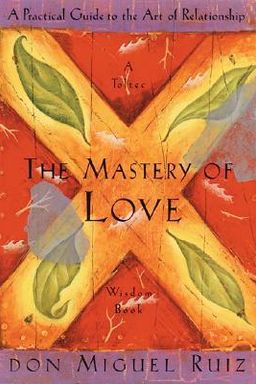
How can you love completely without losing yourself in the process? In The Mastery of Love, Don Miguel Ruiz argues that true love is not about possession or dependence—it is about freedom, self-awareness, and the joyful art of connection. Drawing on Toltec wisdom, Ruiz contends that the suffering we experience in relationships comes not from love itself, but from fear, denial, and self-rejection. To master love, he says, we must heal the emotional wounds that keep us trapped in the illusion of control and rediscover the divine source of love that already exists within us.
Ruiz’s message is deeply human yet powerfully spiritual. He invites readers to see relationships not as battlefields of control, but as creative collaborations between two souls. Through clear metaphors, moving parables, and timeless philosophy, he builds a pathway toward what he calls the Mastery of Love: a state of being where love flows freely, unconditionally, and without fear. This mastery begins with self-love—the recognition that happiness can only be generated from within.
The Roots of Emotional Pain
Ruiz begins by diagnosing the human condition through the allegory of a world where everyone’s skin is covered in painful wounds. In this story, even slight contact becomes torture. Of course, these wounds are not physical—they symbolize the emotional scars we carry from our fears, judgments, and childhood domestication. To protect these wounds, humans construct elaborate masks and denial systems, creating an illusion of control that isolates us from love.
We learn to behave through domestication, Ruiz explains, just as animals are trained through punishment and reward. As children, we internalize beliefs about being ‘good enough’ and begin crafting images of perfection to earn approval. Yet in doing so, we reject our authentic selves. The more deeply we chase external validation, the more disconnected we become from our innate joy and innocence.
Rediscovering Innocence and Self-Love
In Ruiz’s view, healing love begins with returning to the innocence of childhood—the state before domestication when humans lived in pure playfulness and truth. As children, we expressed love effortlessly, laughed freely, and forgave instinctively. We must relight that spark by confronting the false beliefs of perfection and reclaiming contact with our inner child. Forgiveness, acceptance, and truth are the scalpel and medicine that clean the wounds of fear.
By doing so, we stop projecting our pain onto others and allow love to reemerge naturally. Love, Ruiz emphasizes, does not come from another person—it comes from you. The story of the man who tried to give his happiness to a woman teaches a crucial lesson: Happiness cannot be handed away. It is the result of the love flowing from your own heart, not something that can be borrowed from someone else.
Fear vs. Love: The Two Tracks of Human Experience
In Toltec tradition, there are only two emotions: love and fear. All other feelings are variations of these two tracks. Ruiz explains that fear is full of expectations, obligations, and control—it turns relationships into wars. Love, on the other hand, is free, kind, responsible, and generous. It asks for nothing in return and honors everyone’s right to be who they truly are. Once you learn to operate from the track of love, suffering dissolves, replaced by joy and clarity.
This shift is the heart of the book. It transforms relationships from bondage to art—from contracts of control into dances of freedom. When you master love, you stop trying to fix others, and instead take responsibility for your own half of every relationship. That awareness becomes liberation: you no longer react from pain but from presence.
Why These Ideas Matter Today
While The Mastery of Love emerges from ancient Toltec wisdom, its insights feel startlingly modern. In an age defined by emotional scarcity—where affection is often transactional and identity is shaped by external validation—Ruiz’s call for inner abundance stands out as revolutionary. His metaphor of the magical kitchen reminds us that love, like food, already resides within our hearts. When we know we can cook endlessly from this inner kitchen, we no longer beg others for scraps of affection or permission to feel whole.
Ultimately, Ruiz transforms love from a romantic ideal into a spiritual practice. Like a master painter, each of us can turn our life into a masterpiece by creating with love instead of fear. This masterpiece requires constant practice—because love is not an idea, but an action. As he writes, to master love is to first become the artist of your own dream.