
Idea 1
The Essence of the Mamba Mentality
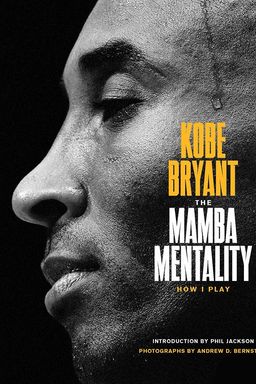
What does it take to become truly great—so great that your name becomes synonymous with relentless focus, mastery, and mental toughness? In The Mamba Mentality: How I Play, Kobe Bryant opens up the mind behind the myth. The book is not a standard sports autobiography or a memoir about fame. Instead, it serves as a study of craft, discipline, and obsession, revealing how a curious, driven teenager grew into one of the most iconic athletes of all time.
Bryant argues that greatness is not a product of talent or luck—it’s built on a commitment to process. The 'Mamba Mentality' is his term for that approach: a lifestyle centered around preparation, self-knowledge, and constant learning. In Bryant’s world, every practice session, film study, or conversation with mentors like Phil Jackson, Bill Russell, or Michael Jordan represented another chance to refine the smallest details of his performance. He shows that the same intensity that helped him dominate basketball can push anyone—from athletes to entrepreneurs—to elevate their craft.
The Core Philosophy: Obsession with the Process
For Kobe, the journey always mattered more than the destination. Early on, he realized that championships were outcomes, but the process—the everyday discipline of trying to be better—was what separated him. He believed that “greatness is not for everybody,” because few people are willing to sacrifice comfort and leisure for the relentless stretch of progress. The Mamba Mentality is a way of thinking about improvement as a daily ritual, a continuous sharpening of one’s tools. It means waking before dawn for extra workouts, studying film on plane rides, or reworking a shooting motion after injury. It’s a mindset that treats mastery as both spiritual practice and scientific experiment.
Learning from Mentors and Opponents
Bryant draws generously from his interactions with basketball legends to illustrate how greatness is passed down. He describes asking Jerry West about how he once shared the ball with Elgin Baylor, talking strategy with Magic Johnson, analyzing mindset with Bill Russell, and learning psychological warfare from Muhammad Ali. To Kobe, mentors were maps to excellence—proof that wisdom accumulates when you’re humble enough to ask questions. He made a habit of talking to everyone, from veterans on his team to referees and trainers, forming what he called his 'north star network' of knowledge.
Interestingly, these interactions also highlight the humility that coexisted with his intensity. Kobe’s curiosity was insatiable. No detail was beneath him. Whether it was asking Gary Payton how to fight through screens or studying Phil Jackson’s meditation techniques, he gathered lessons from every source—a concept reminiscent of Bruce Lee’s famous advice: “Absorb what is useful, discard what is not.”
Discipline, Detail, and Fearlessness
Bryant’s mental blueprint runs deeper than motivation. He describes how he mastered fearlessness—not the absence of fear, but an indifference to failure. From experimenting with new moves and techniques to adjusting his shot mechanics after breaking his fingers, Kobe continually reinvented his game. Mistakes were data. Every setback—from air-balling playoff shots as a rookie to tearing his Achilles tendon—was reframed as a tactical challenge to solve. The mindset echoes Carol Dweck’s growth mindset philosophy but with a distinctly warrior edge: resilience forged through confrontation with pain and imperfection.
Beyond Basketball
While the book centers on basketball, its lessons reach far beyond the court. The same systems Kobe used to prepare for opponents—studying film, adjusting to personal weaknesses, and setting incremental goals—apply to any pursuit. He offers a universal template for personal excellence: know your craft inside out, obsess over the details, learn from your environment, and be consistent through pain and fatigue. His post-retirement ventures—filmmaking, storytelling, and mentoring young athletes—demonstrate that the Mamba Mentality is, ultimately, about the discipline of mastery in all areas of life.
Key takeaway:
The Mamba Mentality is not about chasing fame or comparing yourself to others—it’s about the passionate, methodical, and fearless pursuit of being your best self in the smallest details of everyday work.
Across the book’s sections—Process, Craft, and Legacy—each story reinforces a singular theme: that excellence is a choice you make minute by minute. By combining Phil Jackson’s Zen-like structure, Pau Gasol’s brotherly perspective, and Andrew Bernstein’s candid photography, Bryant gives readers a living picture of what it means to embody purpose. For those willing to apply the Mamba Mentality to their own lives, his message is both invitation and challenge: work harder, think deeper, dream bigger.