
Idea 1
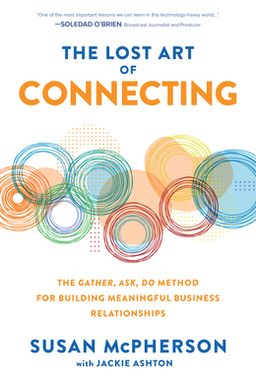
The Lost Art of Connecting: How Relationships Transform Life and Work
When was the last time you reached out to someone simply to ask—not what they could do for you—but how you could help them? In The Lost Art of Connecting, Susan McPherson invites you to rediscover a truth that modern technology often hides: genuine human connection is the foundation of success, happiness, and meaningful impact. McPherson contends that relationships flourish when we lead with generosity rather than transaction, when we replace the question “What can I get?” with “How can I help?”
McPherson’s book offers a remedy for today’s epidemic of isolation, both personal and professional. She argues that digital overload and transactional networking have eroded our ability to engage authentically. The cure is her framework—the Gather, Ask, Do method. This process helps you align your relationships with your purpose, asking better questions, taking concrete actions, and tending to connections that grow into constellations of mutual support.
Gather: Building the Foundation of Connection
Gathering, McPherson explains, is the first phase of the art of connecting. You begin by connecting with yourself, clarifying your values and your unique goals. Many people believe they don’t know anyone who can help, yet McPherson insists that the relationships you need are often right within reach. She shares stories of her parents—her mother, a broadcast public relations professional who mailed handwritten clippings, and her father, a Russian history professor who sent thoughtful letters—who taught her that meaningful connection is an intentional daily practice. Connecting starts by identifying what matters to you and recognizing the depth of relationships already surrounding you.
Ask: Turning Generosity into Dialogue
The second stage, Ask, revolves around McPherson’s central question: “How can I help?” This shift—from taking to giving—creates trust and balance. By asking this question, you place yourself in service to others, simultaneously uncovering your own capacity to learn. McPherson gives examples from entrepreneurs and thought leaders—like Shiza Shahid, who co-founded the Malala Fund after asking how she could help a young Pakistani girl—illustrating that courageous generosity ignites movements. By helping others, you dissolve fear, develop relationships infused with equality, and reveal paths aligned with your purpose. Asking also means cultivating curiosity about others’ needs, experiences, and viewpoints, dissolving barriers between industries, generations, and perspectives.
Do: Transforming Intention into Action
Do completes the cycle—connection is not simply about conversation; it requires consistent action. McPherson teaches that follow-ups, thoughtful communication, and visible generosity are small acts that compound into trust. Whether it’s sending a thank-you note, volunteering with a community organization, or connecting colleagues who would benefit from knowing each other, the Do phase is where your connections deepen into enduring business and personal relationships. This, she calls the “constellation effect,” where your network begins to light up like a sky full of stars, each point linked to the others through shared empathy and purpose.
Why This Method Matters
McPherson’s insight comes at a time when the global workplace demands authentic collaboration. With research showing rising loneliness levels and shrinking professional networks, this book acts as both manual and manifesto. McPherson’s stories—from corporate activism to grassroots social movements—illustrate that meaningful business relationships aren’t a luxury; they are essential for creativity, innovation, and emotional well-being. Through stories of figures like Priya Parker and Adam Grant, she underscores a shared truth: connection, when rooted in authenticity and curiosity, transforms not just careers but lives.
Ultimately, The Lost Art of Connecting is an invitation. It asks you to redefine success not as accumulation of contacts but as building constellations of genuine human bonds. In an era of endless emails and social media scrolls, McPherson’s Gather, Ask, Do method is both timeless and urgently relevant—a reminder that connection begins with empathy, grows through curiosity, and endures through purposeful action.