
Idea 1
Living Well, Living Long: Lessons from Eight Decades of Life
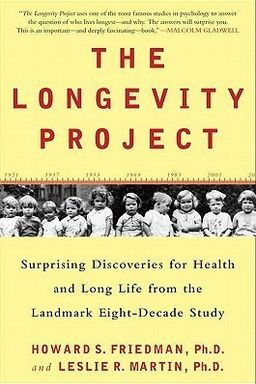
What if the real secret to long life had nothing to do with miracle diets, daily meditation, or endless cardio sessions? In The Longevity Project, psychologists Howard S. Friedman and Leslie R. Martin invite readers to rethink everything they assume about health and aging. Drawing from one of the most extraordinary longitudinal studies ever conducted—the eight-decade Terman Life Cycle Study of more than 1,500 gifted children—the authors uncover what truly predicts who thrives into their nineties and who dies before sixty.
The key argument of the book is deceptively simple: longevity is not about isolated health hacks but about following consistent, meaningful life paths. These paths—shaped by personality, social ties, career engagement, and even early childhood experiences—either support or sabotage our long-term well-being. Friedman and Martin’s work dismantles popular myths about happiness, relaxation, and marriage, revealing that many well-intentioned bits of medical advice can actually send people down dangerous roads.
From Bright Children to Lifelong Patterns
In 1921, Stanford psychologist Lewis Terman began studying some of California’s brightest students, hoping to learn how intelligence shaped success. But decades later, scholars like Friedman and Martin returned to these meticulously detailed archives to ask a different question: why did some of these brilliant, privileged children live long, vibrant lives while others died early? Their answer: the roots of longevity lie in personality and lifestyle patterns that start in childhood and ripple across decades.
Patricia and John, two of Terman’s most long-lived subjects, exemplify this principle. Patricia—a prudent, conscientious girl—grew into a capable, reliable adult who cultivated meaningful work and social ties. John, shy but steady, lived modestly yet purposefully. Neither obsessed over vitamins or fitness—but both maintained consistent, balanced lives. Their stories demonstrate that life expectancy emerges less from genes and more from the habits and social environments we build over time.
Debunking the Dead-End Myths of Health
The authors identify numerous health “myths” that collapse under scientific scrutiny. Contrary to what many believe, it’s not unwavering optimism, cheerfulness, or even sociability that predicts survival. In fact, people who are too carefree or overly optimistic often take more physical and social risks, leading to accidents, poor health habits, and early deaths. Similarly, religious faith only correlates with longevity when it’s accompanied by community connection and service, not just prayer.
Marriage, too, isn’t the universal health tonic it’s often proclaimed to be. Men tend to benefit more from being married—especially happy marriages—while women thrive just as long when they remain single or connected to an active network of friends. And stress, far from always being the enemy, can become a source of motivation and longevity when coupled with purpose, responsibility, and strong coping mechanisms.
The Pathways Principle
At the heart of the book lies what Friedman and Martin call the pathways principle: it’s not individual behaviors that determine your health but the enduring life patterns you follow. The long-lived Terman subjects didn’t find one-time solutions; they maintained consistent, prudent paths shaped by conscientiousness, social integration, and meaningful engagement. Traits like persistence, responsibility, and self-control weren’t just moral virtues—they were biological advantages.
“Healthy pathways are social, purposeful, and persistent.”
This insight reframes health as a lifelong project rather than a daily checklist—consistent with modern findings in life-span psychology and behavioral economics (as echoed by researchers like Daniel Kahneman and Angela Duckworth).
Why This Matters Today
In an age of biohacking diets and ten-step wellness routines, The Longevity Project urges readers to zoom out. It reveals that living well is not about avoiding stress but about cultivating the character and community to withstand it. Friedman and Martin show that we can “make our own luck” through stable marriages, meaningful careers, active friendships, and steady habits rooted in self-awareness. The people who lived longest didn’t chase longevity—they lived consequential, connected lives that simply lasted longer as a result.
Across its fifteen chapters, the book explores how conscientiousness predicts health more than any other personality trait, why trauma doesn’t have to shorten life if resilience grows, and how even gendered behaviors influence survival. Together, these studies form a profound argument: longevity follows from purpose, persistence, and relationship, not perfection.