
Idea 1
The Microbiome Rules Your Longevity
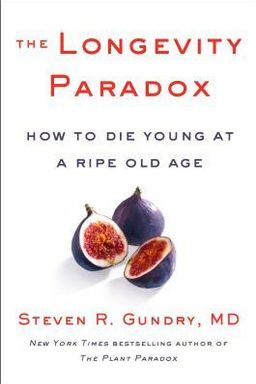
What if the secret to slowing aging isn’t hidden in your DNA but in the trillions of microbes that live inside you? In The Longevity Paradox, Dr. Steven Gundry argues that your fate depends less on your human genes than on your holobiome—the symbiotic network of bacteria, fungi, viruses, and mitochondria that coevolve inside you. Aging, disease, and vitality are all expressions of how well you maintain this internal ecosystem.
Gundry’s thesis redefines what it means to be “you.” Chronological age is inevitable, but biological age is elastic—and your microbial partners are the architects that shape it. The book’s narrative begins with remarkable patients like Edith Morrey, who looks twenty years younger than her ninety-plus years, exemplifying Gundry’s claim that supporting your holobiome can effectively rewind aging.
The Ancient Partnership of Microbes and Mitochondria
Your mitochondria—those power plants inside your cells—were once free-living bacteria. They retain their own DNA and maintain communication lines with your gut microbes through chemical signals. Gundry cites work in C. elegans showing that bacterial colanic acid triggers mitochondrial fission and extends life span. The implication: what your microbes produce literally tells your mitochondria how to age.
This concept reframes longevity as a microbial conversation. Feed microbes that generate beneficial molecules like butyrate, spermidine, or colanic acid, and your cells rejuvenate. Neglect them, and the mitochondria misfire, driving inflammation, fatigue, and early decline.
Why Modern Life Breaks the Holobiome
Our ancestors coexisted with diverse microbes, but today’s diet and environment have silenced many of those allies. Agriculture introduced lectin-rich monocot plants—grains and beans—that our guts never adapted to digest safely. Industrial farming layered in glyphosate, antibiotics, and preservatives that act like hand grenades inside your microbiome, killing beneficial species and leaving opportunistic “bad bugs” to dominate. (For context, over 90% of Americans test positive for glyphosate exposure.)
When that balance tips, toxic bacterial fragments known as lipopolysaccharides (LPS) leak into your bloodstream through microscopic breaches in the gut barrier, confusing your immune system into chronically attacking itself—a slow burn Gundry calls inflammaging.
The Gut Barrier: Your First Line of Defense
Imagine your intestinal wall as a tennis-court-sized single-cell layer separating you from the outside world. If that wall weakens, lectins and LPS cross over, triggering autoimmune alarms, damaging tissues, and accelerating aging. Gundry reminds you that 60% of your immune system sits at this front line. Preserving its integrity—by avoiding NSAIDs, minimizing processed foods, and eating prebiotics—is central to longevity.
It’s not just food; drugs like ibuprofen or proton pump inhibitors (PPIs) destroy this barrier. PPIs, for instance, double pneumonia risk by allowing gut bacteria to colonize the lungs and impair mitochondrial function.
Practical Empowerment Through Microbiome Care
Rather than seeing microbes as passive passengers, Gundry casts them as co-pilots. You feed them; they shape your metabolism, mood, and even cravings. His clinical anecdotes describe patients whose taste buds shifted toward vegetables once their gut flora diversified—evidence, he argues, that your microbes literally “talk back” through neural and endocrine signaling.
When you eat artichokes, chicory, or jicama, you nourish your microbiome with inulin and resistant starches. When you pour extra‑virgin olive oil on your salad, you supply polyphenols that your gut buddies convert into anti‑inflammatory compounds. These feedback loops determine whether you remain youthful or drift into metabolic decay.
The New Paradigm of Aging
Ultimately, The Longevity Paradox flips the conventional narrative. Aging isn’t a linear decline coded in your genes—it’s a loss of microbial symbiosis. Protect your gut border, feed your allies, and expose your body to controlled stressors like fasting or heat; these steps activate repair programs embedded deep in your evolutionary history. Gundry aligns this with research by Valter Longo, David Sinclair, and other longevity scientists who converge on one message: nutrient sensing and microbial communication dictate how long—and how well—you live.
Core lesson
You are not a single organism but an ecosystem; care for your 99% microbial component, and longevity becomes the byproduct of ecological harmony inside you.