
Idea 1
The Transformative Power of Tidying
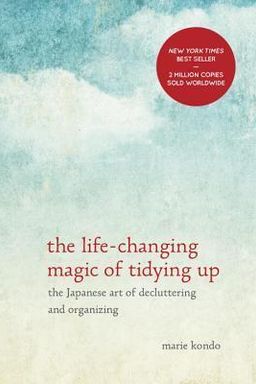
Have you ever cleaned your home only to see it descend back into chaos within days? Marie Kondo’s The Life-Changing Magic of Tidying opens with that very frustration—a cycle of cleaning and clutter that so many of us face. Her startling claim is that tidying is not merely about cleanliness or order; it is an act of transformation. When you put your home in order using the KonMari Method, you fundamentally reset your life.
Kondo argues that the reason our spaces rebound into disorder is that we’ve been taught the wrong things about tidying. Conventional wisdom—cleaning a little at a time, organizing by location, or buying storage solutions—actually perpetuates clutter. Instead, she proposes a radical approach: tidy completely, by category, once and for all. Doing this unleashes a psychological and spiritual change, freeing you from the baggage of the past and fear of the future, and allowing every corner of your life to spark joy.
Tidying as a Life Reset
For Kondo, tidying is not a mundane domestic chore but a “special event.” When done properly—meaning thoroughly and all at once—it resets both your living space and your emotional landscape. She likens it to pulling off a Band-Aid quickly: the sudden shift from cluttered chaos to serenity produces a profound mental change. You begin to resist returning to your old habits because the new clarity feels too good to abandon.
This transformation often spills over into every area of life. Her clients report divorces, career shifts, weight loss, improved relationships, even spiritual awakenings—all stemming from the act of decluttering. Why? Because tidying forces you to confront what you truly value. As you make decisions item by item—asking “Does this spark joy?”—you simultaneously discern what and who bring meaning to your life. In this sense, the KonMari Method functions like a life audit.
Discard First, Organize Later
Kondo’s central principle flips traditional cleaning advice: before organizing, you must first discard. Trying to put away what you haven’t filtered only relocates clutter, not eliminates it. Once you shed what doesn’t bring joy, storage issues almost vanish. You discover that your home actually has just the right amount of space. This process is decisive and liberating; when you complete it, you never rebound.
The Emotional Core of the KonMari Method
“Does it spark joy?” might sound whimsical, yet it’s a powerful psychological tool. Kondo insists that intuition is more reliable than reason when it comes to what you own. Logical criteria—“used in the past year” or “might be useful later”—cement attachments that clutter your life. When you focus instead on how objects make you feel physically, your body guides you toward clarity. This emotional response trains you to value happiness over obligation, echoing the emotional minimalism found in other life design philosophies (like Carl Jung’s emphasis on intuition or Gretchen Rubin’s work on sensory cues in habits).
Categories and Order: The Methodical Ritual
The KonMari Method follows a strict order: clothes, books, papers, komono (miscellaneous items), then sentimental objects. This progression is intentional. Starting with physically and emotionally simple categories allows you to sharpen your decision-making muscle, preparing for more difficult items later. By the time you address memories and keepsakes, you’ve trained yourself to distinguish between what serves your future and what anchors you to the past.
Kondo’s notion of making tidying “fun” transforms the process into a kind of rite of passage. Each item is thanked—literally expressed appreciation—before it is released. This gratitude is more than ritualistic; it affirms that possessions are companions in life. Through this gesture, decluttering becomes an act of compassion rather than rejection, re-infusing your relationship with objects with respect and consciousness.
Why It Matters
Kondo’s method is popular not just because it organizes bedrooms but because it reorganizes identities. In her vision, you discover who you are by discovering what you love. The simplicity of folding clothes, stacking books, and saying farewell to forgotten gifts evolves into self-understanding. As you discard attachment to things that no longer spark joy, you also discard attachment to patterns, regrets, and self-limitations.
Ultimately, Kondo’s message is clear: putting your house in order is the gateway to putting your life in order. Once you finish, life does not end—it begins. You create space not only in your home but in your heart, for joy, clarity, and purpose to flourish. Tidying, she reminds you, is the magic that turns everyday living into an act of celebration.