
Idea 1
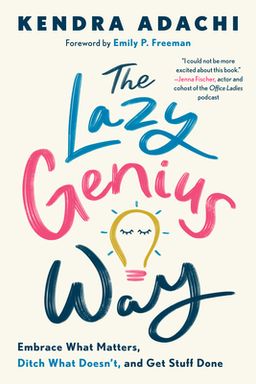
The Lazy Genius Way: Balancing What Matters and Letting Go of the Rest
Have you ever felt that your days are filled with endless responsibilities—trying to be the perfect employee, parent, friend, or spouse—and yet, no matter how hard you try, exhaustion keeps winning? In The Lazy Genius Way, author Kendra Adachi invites you to step off the treadmill of perfection and rediscover a life that actually fits you. She argues that being productive and being peaceful do not have to be opposites. Her formula: be a genius about the things that matter and lazy about the things that don’t.
At the heart of Adachi’s philosophy is the realization that we’re all tired—not because we do too much, but because we try too hard at the wrong things. We live in a culture that worships optimization and hustle, yet seldom gives us permission to rest or focus. Adachi, known for her podcast and online teaching community, reframes this struggle through thirteen practical yet deeply human principles she calls the Lazy Genius Principles. Each one transforms common life challenges—like doing laundry, meal planning, cleaning, parenting, working—into opportunities to reclaim sanity and joy.
Why Being “Lazy” Is Actually Smart
Adachi challenges the false dichotomy between lazy and genius. “Lazy” isn’t about apathy; it’s about purposeful rest and conservation of energy. “Genius,” similarly, isn’t about perfection—it’s about wisdom and intentional focus. The Lazy Genius Way means being strategic about your energy so you can spend it on what truly matters to you. For example, she admits she once tried to be the perfect homemaker and church staff member, striving for perfection in every area, until burnout forced her to reassess. That’s when she learned that simplifying doesn’t work if you don’t first know what matters.
The Power of Naming What Matters
The recurring instruction through all thirteen principles is to first name what matters. Whether you’re cleaning the kitchen, organizing your calendar, or choosing how to spend a weekend, clarity is step one. Adachi’s mantra—embrace what matters, ditch what doesn’t, and get stuff done—is not just about household efficiency; it’s about reclaiming personal meaning. Many of her examples—from wearing a “Monday uniform” to simplify mornings to setting “House Rules” that prevent chaos—demonstrate how naming your priorities restores calm in every area of life.
A New Lens for Everyday Life
The Lazy Genius Way distills Adachi’s thirteen principles: from Decide Once and Start Small to Schedule Rest and Be Kind to Yourself. Each principle builds upon the last, ultimately guiding readers to see their days differently instead of just doing differently. A key theme is that order isn’t fake and chaos isn’t more authentic—the book pushes back against the cultural tendency to glorify disorder as “real life.” Adachi insists that both mess and order have their place, and being “real” means allowing both.
Why This Matters Right Now
In comparison with thinkers like Greg McKeown (Essentialism) and James Clear (Atomic Habits), Adachi’s approach goes beyond productivity systems. She speaks primarily to women overwhelmed by invisible expectations—those who are tired, multitasking, and yearning to breathe. Her message is less about creating streamlined procedures and more about cultivating graceful awareness. Through stories of baking failures, parenting chaos, and self-acceptance, she reveals that the true genius isn’t in doing everything right—it’s in knowing what’s right for you.
Core Idea
The Lazy Genius Way isn’t just a collection of life hacks—it’s a philosophy for living intentionally amid modern overwhelm. Adachi empowers you to stop chasing perfection and instead make deliberate, compassionate, and sustainable choices—beginning with the question, “What matters most to me?”
Across its chapters, readers learn to cultivate routines that feel humane, simplify decision fatigue, batch repetitive tasks, and let people into their imperfect lives. Ultimately, Adachi’s argument is that peace and productivity arise from discernment, not control. When you build a life around what matters to you—not to culture, comparison, or guilt—you finally feel like yourself again.