
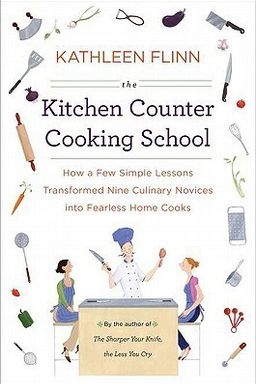
The Kitchen Counter Cooking School cover

The Kitchen Counter Cooking School

by Kathleen Flinn

In ''The Kitchen Counter Cooking School,'' Kathleen Flinn guides nine novices through transformative cooking lessons, equipping them with essential skills to create delicious, healthy meals at home. This book inspires readers to embrace the joy of cooking, make informed food choices, and reduce reliance on processed foods.

Transforming Fearful Food Habits into Confident Home Cooking

What would happen if you truly understood the food in your fridge—the ingredients, the stories, and the choices that got them there? In The Kitchen Counter Cooking School, Kathleen Flinn invites you to find out. Through her yearlong journey teaching nine culinary novices, she shows that cooking isn’t an elite art or intimidating science—it’s a simple act of reclaiming nourishment, creativity, and confidence in your own kitchen.

Flinn’s central claim is that the barrier between people and cooking isn’t knowledge or equipment—it’s fear. People think cooking is messy, complicated, or destined for failure. Yet, as Flinn learned from both her training at Le Cordon Bleu and her experience teaching ordinary Americans, the real ingredients for becoming a fearless cook are small skills, awareness, and curiosity. She contends that anyone can transform their kitchen habits from processed-food dependence into joyful, intuitive home cooking with a little guidance and hands-on experience.

From a Grocery Store Epiphany to a Culinary Mission

Flinn’s awakening began in a Seattle supermarket when she met a woman who loaded her cart with boxed meals and sauce mixes. When the woman admitted she didn’t know how to cook a whole chicken, Flinn decided on the spot to help her. That impromptu lesson revealed a startling truth: most people want to eat better, but they’ve been conditioned by decades of marketing to believe they can’t. This chance encounter—captured in her Prologue “The Woman with the Chicken”—becomes Flinn’s call to action. She decides to step outside the “foodie bubble” and teach cooking to nine volunteers from different backgrounds: mothers, singles, retirees, and culinary beginners who fear knives and whole vegetables alike.

The Journey from Culinary School Idealism to Real-Life Lessons

Flinn’s own story threads throughout the book. As a Le Cordon Bleu graduate in Paris, she learned precise techniques for sauces, knife work, and flavor balance. Yet she felt disconnected from ordinary home cooks—the very people most in need of those fundamentals. Her goal was to translate grand French culinary principles into approachable, empowering lessons. Through chapters like “It’s Not About the Knife,” “A Matter of Taste,” and “Fowl Play,” she walks her students through the essentials: knife skills, flavor development, roasting chicken, making stock, bread, soup, meats, and using leftovers. She transforms fear into confidence one onion, zucchini, and chicken at a time.

Fear of Cooking and the Power of Small Wins

Flinn argues that cooking classes often ignore the psychological side of food. Many people feel judged—by family memories, gender roles, or past failures in the kitchen. Each volunteer in the book exposes these emotional struggles. Trish believes she’s incapable because her mother hated cooking; Donna panics when cutting vegetables because her husband teases her; Dri buys bulk produce then watches it rot under guilt. By giving them simple lessons—like chopping onions properly or tasting salts and stocks—Flinn shows that progress begins with sensory awareness and self-kindness, not perfection. Cooking reawakens identity and control, especially for women whose confidence was dimmed by convenience culture.

A Social Experiment with Real Lives and Real Food

Flinn built the project as both social experiment and empathy exercise. She conducted interviews, filmed kitchen visits, and designed lessons around her volunteers’ needs. She interwove personal grief—her father-in-law’s death, her own life transitions—with the volunteers’ vulnerabilities. The result is part memoir, part narrative nonfiction, and part self-help guide. Through cooking, Flinn connects the dots between fear, food marketing, waste, and well-being. A chicken lesson becomes an exploration of industrial food economics; a tasting session unravels how processed flavor rewired America’s palate; the bread class reveals how simple acts can replace artificial sustenance with something authentic.

Why This Book Matters Beyond the Kitchen

At its heart, The Kitchen Counter Cooking School is about empowerment. Flinn reframes cooking as an antidote to anxiety, waste, and disconnection. By rediscovering food through touch, taste, and intuition, you also rediscover agency. She reminds readers that learning to cook isn’t about chasing gourmet perfection—it’s about reclaiming the everyday act of feeding oneself and others with intention. The kitchen becomes a mirror for life change, where success means trying again, tasting more deeply, and trusting yourself. Flinn’s message resonates far beyond recipes: as Julia Child told her students, “You teach best what you most need to learn.” Flinn’s book proves that by teaching others to cook, we also learn how to live with courage, awareness, and joy.


Breaking the Food Fear Cycle

Fear sits at the center of Flinn’s story: fear of knives, fear of failure, and fear of what others think. She discovered that culinary anxiety manifests in many ways—from buying frozen dinners instead of fresh produce to doubting the right amount of salt or the meaning of “season to taste.” Her nine volunteers illustrate this spectrum. Their reluctance to cook wasn’t rooted in laziness; it was a mix of insecurity, confusion, and emotional baggage inherited from childhood kitchens.

Recognizing Invisible Barriers

Flinn noticed that food television and convenience marketing distorted what “real cooking” looks like. Modern culture glorifies celebrity chefs performing complex feats or pushes “dump and stir” recipes that mask ingredients behind branded shortcuts. As food historian Amy Trubek tells Flinn, Americans suffer from “time poverty”—the illusion that cooking is an inaccessible luxury. Most people want to cook healthy meals but feel they haven’t earned the skills or time to do so.

The Volunteers’ Journeys Through Fear

Each student reveals how emotional fear sabotages cooking confidence. Trish, the psychologist, equates kitchen failure with self-disappointment. Sabra, the twenty-three-year-old “fast-food loyalist,” feels loved through processed comfort food like McDonald’s and margarine. Donna panics at cutting vegetables due to family teasing. Shannon fears undercooked chicken; Dri feels ashamed for wasting food she buys with good intentions. By acknowledging these fears in open kitchens, Flinn transforms them from shame into teachable moments. When Sabra finally dices onions like a pro, her shout—“I’m actually good with a knife!”—captures an internal breakthrough far beyond cooking.

Reframing Failure as Discovery

Flinn insists that mistakes are essential. Borrowing Julia Child’s famous mantra—“In cooking you’ve got to have a what-the-hell attitude”—she teaches that burning toast or botching sauces isn’t incompetence; it’s education. By creating a safe space to fail, Flinn frees students to explore without judgment. This psychological permission is as vital as any technique. In the book’s later chapters, as students roast chickens, bake bread, and craft vinaigrettes, their triumphs aren’t judged by perfection but by curiosity. Cooking becomes a metaphor for courage.

Food Fear in a Larger Cultural Context

Flinn situates personal fear within a broader cultural narrative. Since the 1950s, advertising convinced Americans that convenience equals success. Packaged meals promised freedom from domestic drudgery but eroded skills and trust. (Laura Shapiro’s Something from the Oven documents the same phenomenon.) As Flinn argues, food companies profit by reinforcing helplessness: if you think homemade Alfredo sauce is “too hard,” you’ll keep buying boxes that taste right “every time.” Her experiment dismantles this illusion one confident cook at a time. Fear fades as power returns to the kitchen—and to the person holding the knife.


Learning Through Taste and Awareness

Flinn devotes an entire chapter, “A Matter of Taste,” to sensory education—the antidote to mindless eating. She learns that most home cooks rely on recipes without understanding flavor. They follow directions instead of intuition. By teaching her students to taste salt, olive oils, tomatoes, stocks, and cheeses side by side, she helps them rediscover their palates and reclaim control from corporations that manipulate flavor in processed food.

Rediscovering Real Flavor

Through blind tastings, her class realizes how dramatically quality varies. Ordinary iodized salt tastes “chemical.” Store-brand olive oils are rancid or oily. The difference between artificial Parmesan and authentic Parmigiano-Reggiano is a revelation. One volunteer, Sabra, discards her canned cheese forever after tasting the real thing. When they compare canned tomatoes, they learn that price doesn’t equal flavor—sometimes inexpensive brands taste fresher than “gourmet” imports. These experiences teach that “season to taste” isn’t guesswork; it’s trusting your senses to know when food tastes alive.

How Processed Food Confuses Our Palate

Food scientists design processed products to hit a dopamine-triggering trifecta of sugar, salt, and fat. (As Dr. David Kessler describes in The End of Overeating, this addiction mirrors drug dependency.) Flinn shows how corporate seasoning dulls intuition: after decades of eating artificial flavors, people can’t taste real food accurately. By retraining her students’ palates, she rekindles curiosity. They begin debating subtle aromas—chemical notes, metallic aftertastes, “buttery” textures—and they start thinking critically about their purchases.

Developing Taste Memory and Confidence

Taste isn’t innate; it’s learned through exposure and repetition. Flinn’s tastings help students build “taste memory”—a mental archive of flavors they can reference while cooking. Instead of fearing recipes, they gain instinct. Shannon learns to salt by intuition; Trish discovers that undersalted dishes can ruin otherwise perfect flavors. After weeks of tasting soups, stocks, and sauces, they begin adjusting dishes mid-cook, adapting rather than obeying instructions. Flinn’s students evolve from passive recipe followers into active tasters—the first real mark of becoming a cook.

Tasting as Empowerment

Flinn reframes tasting as self-trust. The act of tasting consciously dismantles processed-food dependency and teaches mindfulness. When Jodi realizes her canned Japanese curry causes headaches from MSG, she learns to question ingredients rather than accept them blindly. Taste becomes moral awareness: a simple spoonful carries the power to reclaim bodily autonomy. In Flinn’s teaching, flavor is liberation—you aren’t just seasoning food, you’re reawakening your senses to a world that marketing tried to mute.


Mastering Simple Techniques for Freedom

Flinn’s “how-to” lessons start small—how to hold a knife, roast a chicken, sauté vegetables—but the impact is enormous. She believes that technique equals freedom. Once you know a few basic moves, you can improvise with confidence. Complexity doesn’t make someone a cook; repetition and simplicity do. Julia Child’s spirit hovers over these chapters, reminding students that courage comes from mastery of fundamentals, not fancy gadgets.

Knife Skills: The Gateway to Confidence

In “It’s Not About the Knife,” Flinn opens a tactile revolution. Most people hold knives in a panicked fist. She teaches them to “shake hands with the blade,” creating a natural extension of the arm. They practice on pounds of zucchini, cutting sticks and cubes until rhythm replaces fear. For Trish, who once sliced herself as a child, this moment dissolves decades of tension. When the women hear the steady thump-thump of their knives, Flinn calls it the “heartbeat of confidence.”

Roasting a Chicken: Understanding the Whole

In “Fowl Play,” Flinn rebuilds respect for ingredients. When volunteers learn to cut up a whole chicken, they reconnect with the reality that food comes from living creatures—not sterile packages. The exercise shifts perspective from consumption to consciousness. They discover how using bones for stock saves money and honors the animal. It’s also a lesson in economics: a whole chicken provides twice the food for half the cost of prepackaged breasts. (Rick Rodgers, cookbook author, calls this the cornerstone of efficient cooking.) Sabra, once repelled by raw meat, proudly buys whole birds after mastering the skill.

Bread, Sauce, and Soup: Foundations of Nourishment

Flinn introduces no-knead artisan bread, showing that fresh bread requires no elaborate machinery—just patience and yeast. Mike, her husband, becomes the home baker, proving bread-making can fit any lifestyle. In another class, students learn that cream sauce is merely reduced cream and pasta water—no box needed. Soup, the ultimate leftover redeemer, teaches economy and creativity. “If you can boil water,” Flinn’s mother says, “you can make soup.” The result: empowerment through resourcefulness over recipes.

Cooking as Physical Literacy

Flinn compares cooking to learning to ride a bike. You wobble, fall, and learn balance through experience. Once you know basic motions—how heat transforms texture, how salt amplifies sweetness—you gain fluency. The students evolve from cautious recipe readers into confident improvisers who understand proportion, timing, and taste. Knowing how to roast, braise, or sauté isn’t just culinary skill; it’s self-reliance. In Flinn’s model, cooking literacy means liberation from dependency on boxes, restaurants, or marketing—and freedom to feed yourself on your own terms.


Cooking as Emotional and Social Healing

Cooking heals more than hunger—it heals self-perception. Flinn observes how food reflects emotional history. Each student’s kitchen serves as a mirror of identity, resilience, and love. Through shared cooking, they overcome shame, reconnect with family, and rebuild confidence. The transformative power of cooking extends into relationships, grief, and community.

From Personal Insecurity to Community Connection

Sabra equates McDonald’s meals with parental affection, but learning real cooking helps her redefine love as mindful nourishment. Donna conquers anxiety rooted in family criticism by learning to cook beside supportive classmates. Trish, once ashamed of bland dishes, rediscovers pride in feeding friends. Their kitchens become therapeutic spaces of self-worth. As they chop, stir, and taste, they turn isolation into community—something Flinn also feels in her own grief after losing her father-in-law. Teaching others helps her heal, too.

Cooking Together as Transformation

Flinn expands the project from class lessons to shared dinners known as “Red Velvet Dinners.” Volunteers and guests cook and eat communally, connecting over tasting challenges and performances. These evenings blend food with art and conversation, proving that kitchens can generate social change. Preparing food together shifts people from passive consumption to active participation—a reminder that nourishment includes human connection.

Food and the Recovery of Joy

Whether in grief or everyday stress, Flinn finds emotional grounding through cooking. When her stepfather falls ill, she repurposes lessons into acts of love by filling his freezer with handmade meals. The final chapters show food as compassion in physical form. Homemade soup for a sick friend says “you matter.” Teaching others to cook transmits hope. As Flinn puts it, cooking “restores us”—a literal echo of the French word restaurant, meaning “to restore.” Through kitchen confidence, people rediscover not just flavor, but faith in themselves and others.


Taste, Waste, and Ethics in Everyday Eating

Flinn connects personal cooking habits to global food ethics. Once you understand ingredients, you start noticing system-level waste and exploitation. From factory chickens to landfill vegetables, she reveals how small household habits link to global environmental consequences. Her classes on leftovers and shopping with chefs Thierry Rautureau and Jenny Nichols show that ethical cooking starts at home—with awareness, not guilt.

The Economics of Food Waste

Americans discard nearly 40% of edible food annually, much ending up in landfills emitting methane. Through a simple journaling exercise, Flinn’s students realize they throw away 18% of their groceries. The solution isn’t austerity—it’s planning and creativity. Chef Thierry teaches “rotation”: using older food first, buying less, and cooking what’s already in your fridge. He reframes leftovers as opportunities, not failures. “Soup is a gift,” he says. His motto of transforming scraps into nourishment redefines sustainability as care, not sacrifice.

Marketing and Consumer Traps

Jenny Nichols exposes supermarket psychology—music, colors, layout, and product placement manipulate purchases. Shoppers are led to overbuy perishable produce or trust end-cap “deals” that aren't discounts. Her advice mirrors Flinn’s thesis: buy small, shop more often, plan simple meals. Cooking beat marketing by reclaiming control over choice. When students cook instead of consuming, they opt out of manipulation.

Resourcefulness as Everyday Activism

Flinn concludes that ethical consumption isn’t about perfection; it’s about participation. Making stock from bones, baking bread, or freezing herbs becomes microacts of sustainability. By reusing, sharing, and planning, her students save money and conscience alike. Ethical cooking replaces the notion of scarcity with abundance through knowledge. You don’t need to change the food industry overnight—you just need to change how you use your fridge today.


Cooking as a Path to Identity and Purpose

Flinn’s narrative closes with reflection. Teaching others to cook reshapes not only her students’ lives but her own identity. Through the arc from Parisian culinary school to Seattle’s home kitchens, she learns that being a “chef” isn’t about prestige—it’s about service. Cooking becomes a way to claim meaning, heal grief, and live intentionally.

The Teacher Becomes the Student

Though Flinn begins as mentor, the project teaches her humility. She realizes that empowerment is reciprocal: teaching cooking teaches empathy. As she watches her volunteers evolve—from frozen-dinner novices to passionate home cooks—she reclaims her own love of food beyond technique. By revisiting their kitchens months later, she witnesses enduring transformations: Sabra makes stock from bones; Trish organizes recipes with pride; Jodi and Dri shop at farm stands; Shannon braises lamb confidently; Donna reclaims autonomy from her husband. Cooking becomes self-discovery.

Redefining Success and Passion

In the opening chapters, Flinn’s speech at Le Cordon Bleu raises existential questions about success after achievement. By the end, she answers them: real success isn’t an award or restaurant—it’s the courage to follow passion wherever it leads. Through teaching ordinary people, she finds fulfillment far deeper than professional acclaim. Helping others cook becomes her form of purpose.

Living Authentically Through Food

Flinn ends with a practical philosophy: cook more, waste less, taste everything, and teach what you learn. Her students embody this ethos—ordinary people now living with awareness. The kitchen counter, once a symbol of intimidation, becomes their laboratory for living well. As Shannon teaches Flinn to can pears, the circle completes: mentors become friends, students become teachers. Cooking isn’t just a skill; it’s a lifelong dialogue about care, resilience, and meaning.

Dig Deeper

Get personalized prompts to apply these lessons to your life and deepen your understanding.

Go Deeper

Get the Full Experience

Download Insight Books for AI-powered reflections, quizzes, and more.