
Idea 1
The Joy and Power of Saying No
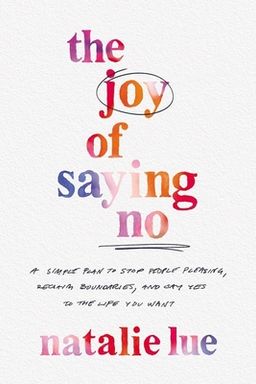
Have you ever said yes when every part of you screamed no? In The Joy of Saying No, Natalie Lue argues that our chronic inability to draw boundaries—our people-pleasing habit—isn’t about kindness at all; it’s a covert strategy to control how others see us, to win love and avoid rejection. The book invites you to imagine what life would feel like if your yes came from joy rather than fear, and your no came from self-respect rather than guilt.
Lue, a recovering people pleaser herself, weaves her own story into practical guidance. Her key insight is deceptively simple: learning to say no unlocks freedom, peace, and authenticity. She contends that pleasing others is a lifelong habit rooted in childhood conditioning—the Age of Obedience—when we were taught that being ‘good’ meant meeting everyone else’s expectations. That conditioning becomes our emotional operating system as adults, driving patterns of overgiving, avoidance, martyrdom, and resentment that make us sick, tired, and disconnected from ourselves.
From Obedience to Awareness
The book begins by exploring how we were socialized to obey rather than express, equating goodness with compliance. Like Brené Brown and Harriet Lerner (in The Dance of Connection), Lue shows that the fear of rejection or disapproval tricks us into living small, hiding behind masks of politeness, competence, or generosity. We think we’re maintaining peace, but really we’re maintaining anxiety. Recognizing this cultural conditioning helps you realize that your inability to assert boundaries is not your fault—it’s learned behavior.
The Five Faces of Pleasing
To break the cycle, we first have to recognize it. Lue identifies five distinct styles of people pleasers—the Gooder, who performs at being virtuous; the Efforter, who overworks to prove worth; the Avoider, who keeps everything conflict-free at any cost; the Saver, who rescues others to feel needed; and the Sufferer, who uses hardship to earn love or redemption. Each type stems from emotional baggage formed in childhood when we learned that pleasing equaled safety and belonging.
Every style reveals a hidden agenda. We lie to ourselves and others about our motives: we think we’re generous, compassionate, or devoted, but beneath that surface is anxiety—the fear of being disliked, replaced, or alone. Lue’s personal story, from saying an unapologetic no to a doctor’s lifelong steroid treatment to finally setting boundaries with family, illustrates how reclaiming your no isn’t selfish—it’s survival.
The Six Steps to Reclaiming Yourself
The book’s third part distills seventeen years of transformation into six practical steps: Get to Know Your Pleaser, Recognize Your Baggage, Reparent Yourself, Make It a Desire, or Say No, Cut Back on Hinting, and Learn from Eruptions and Challenges. These steps form a journey from unconscious obedience to conscious self-respect. You start by collecting data about where your yeses come from, understand the fears or stories driving them, nurture your inner child who once equated no with danger, and practice authentic communication free of guilt or hidden manipulation.
Lue urges readers to view boundaries as an act of forgiveness—and even rebellion. Setting boundaries isn’t about rejecting others; it’s about refusing to reject yourself. Every time you say no, you stop reenacting your old pain and start telling the truth about what you need. Each chapter offers coaching-style exercises, reflective questions, and mantras like “If it’s not a hell yes, it’s a hell no.”
Facing Cultural and Emotional Conditioning
Lue situates personal healing within cultural realities. Women, for instance, are disproportionately taught to be ‘nice’ and self-sacrificing, while men often hide their own compliance under the guise of success or power. Across all identities, the book dismantles the myth that boundaries mean selfishness. Saying no to what drains you allows you to say yes to life with integrity. It also exposes how institutions—from workplaces to families—thrive on unspoken emotional blackmail, expecting endless self-sacrifice from “good” people.
Why It Matters Now
Lue’s message lands in an era when burnout, anxiety, and loneliness are epidemic. She connects people pleasing to chronic stress, insomnia, autoimmune disorders, and emotional exhaustion. She’s not a doctor, but her insight mirrors findings from trauma therapists like Gabor Maté—our bodies register every moment we override our own truth. Saying no, therefore, isn’t just psychological liberation; it’s physiological healing.
Ultimately, The Joy of Saying No is a manifesto for reclaiming time, energy, and dignity. It reminds you that boundaries are not the walls that keep love out—they’re the doors that let love in on healthy terms. You came into the world already enough, Lue insists; you don’t have to earn your worth with exhaustion or apology. The joy of saying no is the joy of finally saying yes—to yourself.