
Idea 1
Getting Job-Ready: Bridging Education and Career Success
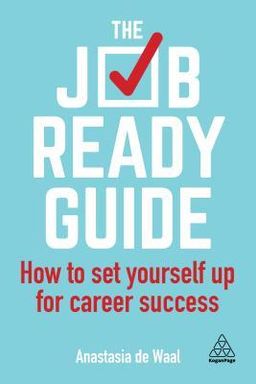
What does it mean to truly be job-ready in today’s fast-changing world of work? In The Job-Ready Guide, Anastasia de Waal argues that higher education alone is no longer enough to ensure career success. Young professionals graduating into the modern job market need a combination of knowledge, soft skills, self-awareness, and strategic planning to effectively transition from study to employment. This book, therefore, serves as a comprehensive roadmap to help readers understand exactly what employers want and how to fulfill those expectations before, during, and after landing their first role.
De Waal contends that being job-ready isn’t just about building a résumé or getting an interview—it’s about cultivating a mindset and skillset that enable long-term growth and adaptability across industries. Careers today rarely follow linear paths, and professionals who thrive are those who can manage transitions intelligently, communicate effectively, and continually learn. This notion reflects a shift from the traditional model of career preparation—focused on matching degrees to specific professions—to a broader, skills-based approach emphasizing flexibility and lifelong employability.
From Education to Professional Readiness
De Waal begins by addressing the gap between academic achievement and workplace expectations. She observes that employers often find graduates highly educated but insufficiently prepared for the realities of work. Through extensive research and interviews with managers, recruiters, and professionals at different stages of their careers, she identifies common shortcomings—poor communication, weak problem-solving, and limited industry awareness—and provides strategies to address them through proactive learning and self-reflection during university years.
Rather than waiting until graduation to start thinking about jobs, De Waal urges students to treat their studies as the foundation of a professional training ground. By connecting classroom learning with employability—through internships, volunteering, and networking—graduates can develop the professional habits employers most value: reliability, teamwork, initiative, organization, and respect. Each chapter of the book builds on these habits, offering exercises to help readers internalize them.
The Five-Part Framework for Becoming Job-Ready
De Waal structures her guide into five distinct phases, each representing a stage in the trajectory from student life to professional independence.
- Setting Yourself Up for Success focuses on foundational steps—building a strong CV, exploring career options, gaining work experience, and deciding on further study. This stage encourages reflection on your values and motivations.
- Developing Job-Ready Skills delves into core competencies employers look for: leadership, teamwork, communication, problem-solving, and industry knowledge. These soft skills, often ignored in academic curricula, are presented as essential to future-proofing your career.
- Looking for a Job covers strategic job hunting, managing rejections, leveraging social media, personal branding, networking, and even financial literacy—making professional life sustainable beyond the job offer.
- Applying for a Job provides the mechanics of successful applications—how to write standout CVs and cover letters, perform in interviews, master assessment centers, and deliver persuasive presentations.
- Starting a Job addresses the often-overlooked transition from hiring to thriving: the first-day realities, relationship management, workplace etiquette, and planning your next career move once settled.
Together, these parts form a holistic approach that equips readers not just to land a role but to build a sustainable career characterized by competence, confidence, and continual development.
Why These Ideas Matter Today
De Waal’s book responds to a generational concern: despite record levels of education, many graduates feel unprepared for the demands of working life. Employers, meanwhile, lament the scarcity of candidates who demonstrate professionalism and initiative. The book’s importance lies in bridging this disconnect by highlighting actionable strategies for young professionals and educators alike. In doing so, De Waal joins the work of other career-development thinkers like Richard N. Bolles (What Color Is Your Parachute?) and Cal Newport (So Good They Can’t Ignore You), but her approach is distinctly practical, anchored in real-world advice drawn from diverse industries and professionals.
Ultimately, The Job-Ready Guide offers not only career advice but a philosophy of work: success isn’t about innate talent or academic pedigree; it’s about preparation, adaptability, and professionalism. If you can cultivate these traits early, you won’t just survive the transition from student to employee—you’ll thrive as an active contributor in a constantly changing world of work.