
Idea 1
The Big Lie and the Assault on Democracy
How does a democracy unravel not by coup but by narrative? This comprehensive account explains how the false claim that the 2020 U.S. election was stolen—what became known as the Big Lie—evolved from a premeditated communications strategy into a multi-pronged attempt to overturn lawful results. The core argument is simple but devastating: the assault on January 6th did not arise spontaneously. It was the culmination of a deliberate effort by President Donald Trump and key allies to delegitimize the election, pressure state officials, weaponize law and the Department of Justice, mobilize extremist groups, and ultimately obstruct the certification of power transfer.
From Red Mirage to Big Lie
Before votes were even counted, campaign strategists anticipated the so-called Red Mirage—the temporary Republican lead visible before mail ballots were tallied. Advisers like Bill Stepien warned this would occur, but others, including Steve Bannon and Tom Fitton, encouraged Donald Trump to claim premature victory. On election night, Trump did exactly that, calling the results ‘a fraud.’ This was not confusion; it was an orchestrated messaging plan. Giuliani, Sidney Powell, and others spread baseless claims of Dominion machine fraud, an edited Georgia ‘suitcase’ video, and mythical ballot dumps—all rebuffed by judges and Department of Justice officials like William Barr who told the President there was no widespread fraud.
The Legal and Political Engine
Once falsehoods dominated the public narrative, legal actors operationalized them. Attorneys Kenneth Chesebro and John Eastman supplied arguments that would later underwrite fake electors and a claim that the Vice President could reject certified slates. In states from Georgia to Michigan, Giuliani and allies staged pseudo-hearings designed to pressure lawmakers, while Trump personally contacted officials like Georgia’s Brad Raffensperger to ‘find 11,780 votes.’ Simultaneously, a strategic communications plan targeted legislators with calls, protests, and ads, using grassroots outrage as political leverage. The campaign’s fundraising machine monetized the Big Lie—raising over $250 million under the deceptive banner of an ‘Election Defense Fund.’
Institutional Resistance and DOJ Confrontation
Inside government, career lawyers and officials became the last line of defense. Attorney General Barr, Acting AG Jeffrey Rosen, and Deputy Richard Donoghue refused to bless sham claims. When Assistant Attorney General Jeffrey Clark drafted letters urging states to reconsider certifications, senior DOJ leaders and White House Counsel Pat Cipollone threatened mass resignation. Their stand prevented the Department from lending official legitimacy to falsehoods. This internal crisis illustrated how rule-of-law culture, not just statutes, preserved democratic continuity (a contrast to how other nations’ institutions have collapsed under executive pressure).
The Capitol, the Crowd, and Presidential Inaction
The narrative continued through physical mobilization. Trump’s December 19 tweet—“Be there, will be wild!”—galvanized Proud Boys, Oath Keepers, and other militias. Online forums like TheDonald.win and Parler filled with posts about “occupying the Capitol.” The Ellipse rally, funded by donor Julie Fancelli and coordinated by aides and activists, became the staging ground. Trump’s speech called on supporters to “fight like hell” and targeted Vice President Pence. When the crowd breached the Capitol, the President did not act for 187 minutes, ignoring pleas from aides, family, and allies. His eventual message—“go home, we love you”—came long after lives were lost and the Constitution nearly upended.
Why It Matters
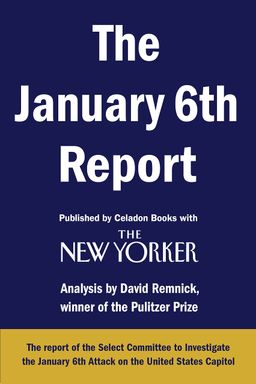
This book-length report demonstrates that the Big Lie was the connective tissue linking misinformation, legal manipulation, and violent mobilization. Across hearings, depositions, and public sessions, the Select Committee painstakingly shows how individual decisions—refusals by state officials, judges, police officers, and DOJ leaders—prevented democratic collapse. Yet it also warns that fragile institutions cannot alone sustain truth when political actors weaponize falsehood. The detailed documentation, from courtroom losses to physical timelines, forms both a historical record and an ethical reminder: democracy can be undone not by sudden coups but by persistent deception, pressure, and silence from those who know better.