
Idea 1
Embracing Introversion as a Career Superpower
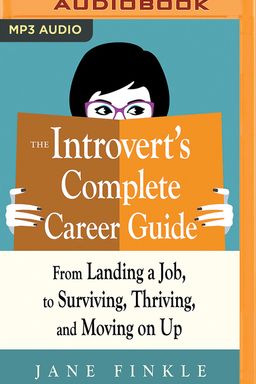
Have you ever felt invisible at work—drowned out by louder voices in meetings, overshadowed in interviews, or drained by endless networking events? In The Introvert’s Complete Career Guide, career coach Jane Finkle argues that introversion is not a weakness to be overcome but a strength to be leveraged. Far from being mere wallflowers, introverts possess deep wells of concentration, compassion, and creativity that can help them thrive in a workplace often built for extroverts. Finkle’s central message is clear: introverts can achieve extraordinary professional success by building on their natural strengths—focus, thoughtfulness, and listening—while stretching gently into extroverted behaviors when needed.
Throughout the book, Finkle lays out a comprehensive career roadmap that follows every stage of professional development—from self-understanding all the way to leadership and longevity. She reveals how introverts can articulate their value, write an authentic resume, master social media, and make networking feel truthful instead of transactional. She also guides readers through the high-pressure moments of modern careers—acing interviews, negotiating offers, adapting to new workplaces, and sustaining success amid constant change. The goal is not to turn introverts into extroverts but to help them flourish by using their natural tendencies strategically.
The World Rewarding Extroversion
Finkle opens by acknowledging the bias of the modern business culture: extroversion is celebrated, rewarded, and often equated with leadership potential. From job interviews to group brainstorming, being outgoing is prized. Yet this culture puts introverts at a disadvantage, because their quieter style is frequently misunderstood as passivity or lack of ambition. Drawing on research from Marti Olsen Laney’s The Introvert Advantage and the Myers-Briggs Type Indicator (MBTI), Finkle reframes introversion as an energy dynamic—introverts recharge alone and think before speaking, while extroverts draw energy from interaction and spontaneous action.
Rather than seeing introverts as antisocial, Finkle emphasizes their exceptional skills: listening, empathy, observation, focus, and problem-solving. These strengths make introverts natural counselors, researchers, writers, and strategists. Once you learn to recognize the value of these inner resources, she writes, you can stop trying to imitate extroverts and focus instead on expressing your insights clearly and confidently.
The Age of Acceleration and the Introvert’s Challenge
In what columnist Thomas L. Friedman calls the “age of acceleration,” Finkle notes that careers have become volatile systems requiring constant communication, adaptability, and networking. Globalization, automation, and the gig economy (where over 15% of American workers now operate) have redefined success. Introverts, whose energy comes from reflection, must adapt to this fast-moving landscape by building entrepreneurial mindsets—what LinkedIn’s Reid Hoffman and Ben Casnocha term the “start-up of you.”
That means learning to pitch yourself, market your accomplishments, and form meaningful professional relationships even when doing so feels uncomfortable. The crux of the challenge is to align your quieter strengths with outward actions. As Finkle admits from her own journey—from a shy counselor at the University of Pennsylvania to a sought-after consultant—growth happens when you move beyond comfort zones, but only in ways that fit your authentic nature.
A Toolkit for Career Confidence
Finkle’s framework unfolds through nine detailed chapters, each addressing a major career skill. She begins with self-assessment—helping readers identify their values, talents, and accomplishments (“Give the Wallflower a Voice”). Next, she introduces practical methods to craft powerful resumes and personal narratives that tell your story in full color (“Tell Your Story”). She then explores how to present yourself online (“Promote Yourself in Real Time”) and how to build networks through small, meaningful interactions rather than surface chatter (“Talk to Strangers”). In the middle chapters, she provides field-tested approaches to interviews and salary negotiations, turning preparation into confidence. Finally, she shows how to onboard in new environments, thrive over time, and sustain energy for long-term growth.
Each step includes structured exercises—from identifying your achievements to writing your “SCO” (Scope-Contribution-Outcome) statements and “SAVVY” self-introduction scripts. Alongside these, Finkle offers coaching stories that humanize the lessons: Ellen the timid social worker who landed her dream job via networking; Kendra the anxious new designer who built confidence through gradual success; and Adam the reserved market researcher who negotiated his salary with poise. These vignettes turn advice into lived experience.
Why This Guide Matters
At its heart, The Introvert’s Complete Career Guide offers reassurance to anyone who ever felt overlooked in a noisy world. Finkle doesn’t glamorize introversion or urge you to change personality. Instead, she teaches you to translate your inner depth into professional visibility. In an age dominated by constant connectivity, she argues, it’s the thoughtful professionals—the ones who listen, analyze, and empathize—who build durable success.
Whether you are a fresh grad navigating your first job, a mid-career professional seeking advancement, or a re-entering worker finding your footing, Finkle’s guide provides a blueprint for leveraging your introverted qualities while still thriving in an extroverted world. Her message is not just about surviving the workplace, but transforming it to value quiet strength.