
Idea 1
The Hidden Power of Early Childhood
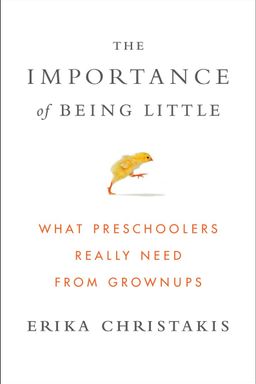
What if the most powerful learners you’ll ever meet are three feet tall and endlessly curious? In The Importance of Being Little, Erika Christakis argues that young children are not miniature adults or empty vessels waiting for instruction—they are dynamic thinkers, problem-solvers, and social beings. Her central claim is both practical and radical: the environment is the curriculum. Learning doesn’t come from scripted lessons but from relationships, materials, time, and emotional climates that respect the rhythms of human development.
Throughout the book, Christakis critiques a culture that prizes measurable outcomes—tests, checklists, and outcomes charts—over the invisible processes of attention, conversation, and discovery. She shows how toddlers like Abby puzzling over bird cartoons or Henry negotiating a puppet confrontation embody powerful thinking when adults watch, listen, and respond rather than direct. The argument unfolds across intertwined themes—social learning, environment, play, talk, emotion, and professionalism—all under the conviction that to raise whole, capable learners, you must design habitats that mirror how children actually think and feel.
Children as Active Thinkers
Christakis begins by redefining what it means to learn: young children construct meaning socially, through conversation, observation, and play. She rejects the idea that they need simplistic tasks or rapid academic acceleration. A preschooler like Trevor, narrating fantastical dinosaur stories as he paints, is demonstrating taxonomy, working memory, and creative synthesis—not aimless play. The key, she argues, is adult attentiveness: teachers who frame, echo, and extend children’s ideas act as co-learners, not lecturers. This reframing positions children as subjects of knowledge, not objects of education.
Why Environment Equals Curriculum
If learning is relational, then the classroom itself becomes an active participant. Physical design, pacing, and emotional tone all tell children what matters. A calm room with natural materials and long stretches for exploration fosters attention and curiosity; a hyper-structured schedule with constant transitions teaches compliance and fatigue. Christakis demonstrates that even simple design choices—baskets instead of bins, wooden blocks instead of plastic kits—signal respect for children’s inventiveness and autonomy. The mantra she repeats throughout: you teach what you arrange.
Play and Imagination as Learning Engines
Play, she warns, is vanishing under pressure to "prepare" children. Yet unstructured play is where children build executive function, empathy, and creativity. The book documents the loss—canceled recesses, scripted crafts—and offers counterexamples of restoration: mixed-age outdoor play, loose natural materials, and deep pretend spaces where children can test moral ideas. When the Lincoln Nursery School children wrestle with art installations and a dead squirrel, they are doing ethics, not evading curriculum. For Christakis, imagination is childhood’s cognitive laboratory, the birthplace of moral and abstract thought.
Emotion and Relationship as Core Pedagogy
Another reversal runs through the narrative: feelings aren’t obstacles to learning—they are learning. The puppet aggression between Henry and Maddox becomes miseducation when a teacher skips emotional validation to reach behavioral control. Real learning happens when adults name emotion, co-regulate, and model empathy. Programs like RULER or the PLAY Project work best when emotion is woven into everyday interaction, not quarantined into "SEL time." Christakis insists that emotional climate is measurable pedagogy, as crucial as phonics or math centers.
Teachers and Systems Shape Outcomes
The final chapters widen the lens: environments and relationships are built by adults constrained by low pay, time pressure, and testing mandates. When teachers are undertrained or undervalued, they retreat to worksheets or scripted packages that produce the illusion of learning. Christakis juxtaposes Mrs. L’s robotic checklist reading with Mrs. Darling’s deeply personal bond with her student Stella. The difference reveals her thesis: the quality of human connection—not curriculum brand—drives child development.
A New Definition of Quality
Across the book’s interlocking ideas, a single redefinition takes shape. Quality early education cannot be legislated by standards alone; it must be lived through attentive relationships, playful inquiry, and humane pacing. She merges research traditions—Vygotsky’s social constructivism, Reggio Emilia’s aesthetics, attachment theory, and child health science—into one practical philosophy: trust the child’s design. When adults see, listen, and respond, children reveal their innate brilliance. The task of early education, then, is not to accelerate childhood but to protect the conditions under which it can unfold.
Core insight
To educate young children well, you must redesign environments—not children. The quality of relationships, pacing, and materials teaches more than any lesson plan ever could.
Christakis asks parents, teachers, and policymakers to measure success not by early reading scores but by sustained curiosity, autonomy, and connection. When those thrive, society gains thinkers who question, cooperate, and care—the true goals of education.