
Idea 1
Finding a Voice and a Home: Identity on Mango Street
What does it mean to belong—to a family, a street, a culture, or even to yourself? In The House on Mango Street, Sandra Cisneros explores that question through the eyes of Esperanza Cordero, a young Latina girl growing up in a poor Chicago neighborhood. Cisneros argues that a home is more than a building—it’s an emotional and creative space where you begin to claim your identity. Her book contends that to grow, you must learn to both honor where you come from and imagine where you could go next. Yet, as Esperanza learns, breaking free doesn’t mean forgetting; it means carrying your roots with new strength.
Structured in short, poetic vignettes, this slim novel captures an entire coming-of-age journey—how a girl grows from shame and silence into self-expression and empowerment. Through episodes about neighbors, friends, and family, Cisneros builds a mosaic of Latino urban life that feels universal in its longing to belong. The beauty of the book is in its blend of childlike clarity and mature insight, its ordinary moments—moving house, discovering your name, seeing violence, dreaming about escape—made lyrical and eternal.
Belonging and the Dream of a Better House
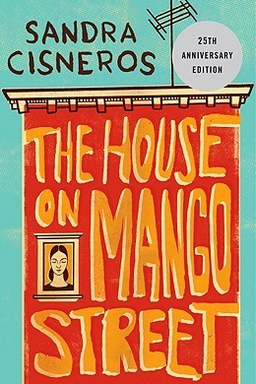
From the opening scene, Esperanza tells us her family finally has a house—but not the one they were promised. The House on Mango Street, small and crumbling, becomes a symbol of both achievement and disappointment. Her parents call it temporary, a step toward something better, but Esperanza senses permanence and shame. At school a nun’s question—“You live there?”—marks her with humiliation, forcing her to dream of a home she could be proud to point to. That dream fuels her entire story: the longing for autonomy, dignity, and a room of one’s own (echoing Virginia Woolf, whom Cisneros later admired).
Finding Identity in Language and Story
Esperanza’s struggle is also linguistic. Her very name—meaning hope in English but heavy with sadness in Spanish—embodies the complexity of bicultural identity. She wishes to rename herself, to escape the fate of women like her great-grandmother, “a wild horse of a woman” forced into submission. Naming becomes power: when Esperanza writes, she reclaims the language that once defined her. Cisneros’s lyrical, fragmented style—blending Spanish rhythms with English sensibilities—mirrors this dual consciousness. It’s a way of speaking for those whose voices were often silenced in both cultures.
Women, Freedom, and the Window
As Esperanza grows, she sees the many ways women are trapped. There’s Marin, waiting for someone to take her away; Rafaela, locked inside; and Sally, who marries too young to escape her abusive father only to lose her freedom again. Even her mother, talented and intelligent, sighs that she “could’ve been somebody.” The recurring image of women by the window—watching life instead of living it—haunts the book. Esperanza vows not to end up like them. Her ambition to have her own house, her own room to write, becomes an act of resistance and self-preservation.
Violence, Loss, and the Reality of Growing Up
Cisneros doesn’t romanticize childhood; she shows its cracks. Esperanza witnesses poverty, racism, assault, and death. She learns that being a girl in her neighborhood often means learning pain early. Scenes like Angel Vargas’s death or her own trauma at the carnival in “Red Clowns” show the brutal edge of coming-of-age. Yet even in darkness, the act of naming becomes healing. Writing transforms hurt into meaning.
Leaving and Returning: Purpose Through Art
By the end, Esperanza’s dream of leaving Mango Street evolves into something deeper. The wise “Three Sisters” tell her she must remember to come back for those who cannot leave so easily. This revelation turns personal ambition into service through storytelling. To write her neighborhood into existence is to validate its people. Hers is not just an escape story; it’s a promise to lift others by recording their truth. Cisneros herself, through Esperanza, models how art can build the house you could never afford—a space of freedom, memory, and compassion.
Why This Story Still Speaks to You
Cisneros’s debut reshaped American literature because it gave voice to a generation of Latina girls who had rarely seen themselves in books. But its message is wider: it’s about finding identity between worlds, about turning adversity into artistry. Whether you’ve ever felt caged by circumstance, ashamed of your roots, or desperate for independence, Esperanza’s journey mirrors your own need for self-definition. The end leaves you with hope—the same hope that makes Esperanza’s name both a burden and a prophecy. You, too, can build your own “house made of heart.”