
Idea 1
When Nature Turns Deadly: The Emergence of Ebola
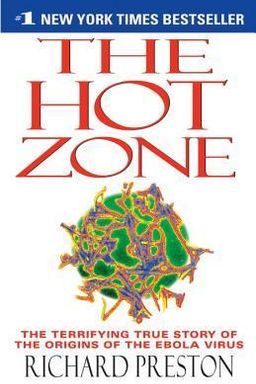
Have you ever stopped to wonder how a microscopic organism could challenge the entire foundation of modern civilization? In The Hot Zone, Richard Preston plunges you into the terrifying reality of viral outbreaks—specifically Ebola, one of the deadliest pathogens known to humankind. Preston contends that nature itself is the ultimate bioterrorist, capable of unleashing microscopic forces that rival our most sophisticated weapons in speed, precision, and devastation.
At its heart, the book explores what happens when humanity’s illusion of control over nature is shattered. Through real-life events—the near-disastrous emergence of Ebola in the suburbs of Washington, D.C.—Preston argues that these viruses are warning signs, reminders that human incursions into wild ecosystems can trigger catastrophic biological repercussions. The result is a vivid, alarming narrative about the delicate boundary between civilization and chaos.
The Biology of Fear: Why Viruses Matter
Preston presents viruses not as mere medical curiosities, but as living agents that reflect the state of our planet’s ecology. By tracing Ebola’s origins to Kitum Cave near Mount Elgon in Central Africa, he shows how human contact with unexplored wilderness areas exposes us to diseases once confined to animal hosts. This biological intersection—between human and nonhuman life—is where pandemics begin. What makes Ebola particularly unnerving is that it kills with astonishing speed, liquefying organs and tissues. Preston’s description is stark but serves a purpose: to confront us with the brutal efficiency of nature’s design.
The Human Drama Behind Science
Preston doesn’t just offer a scientific explanation—he tells the story through people. There’s Nancy Jaax, a U.S. Army veterinarian and researcher who risks her life while studying Ebola under the highest biosafety level. Or Charles Monet, a man whose unwitting outing to Kitum Cave triggers the virus’s horrifying symptoms. Each character illustrates how courage, fear, and scientific curiosity collide in the face of an invisible enemy. Their stories personalize what might otherwise seem abstract or clinical.
Science vs. Panic: The Global Stakes
When Ebola surfaces near Washington, the drama shifts to the U.S. Army’s secret biocontainment team—the literal and metaphorical frontline of civilization’s defense. Preston captures the intensity of the moment: hazmat suits, sterilization procedures, and the constant awareness that one mistake could lead to a worldwide disaster. Here, science becomes both salvation and horror, demonstrating how fragile our safeguards truly are when facing something so unpredictable.
A Warning from the Wild
Ultimately, The Hot Zone isn’t just about Ebola. It’s about the relationship between humanity and the natural world—a relationship built on exploitation and ignorance, yet dependent on balance and respect. Preston suggests that viruses may be Earth's response to ecological imbalance, a kind of natural feedback mechanism reminding humanity that we cannot endlessly expand without consequence. The book foreshadows what later authors, like David Quammen in Spillover, would argue: emerging diseases are the price we pay for environmental disruption.
Why This Story Still Matters
Reading The Hot Zone today feels eerily prescient. After the recent global pandemic experiences, it serves as both history and prophecy. Preston’s storytelling helps you see that viruses don’t just attack bodies—they expose systems, governments, and beliefs. By tracing Ebola’s journey from the depths of a cave to the edge of Washington, the book reminds you that no border, no technology, and no comfort is immune from the forces of life on this planet. It is a call for humility, awareness, and scientific vigilance—because the next outbreak is not a matter of if, but when.