
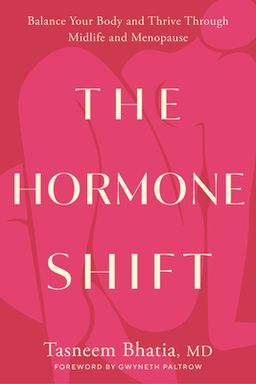
The Hormone Shift cover

The Hormone Shift

by Tasneem Bhatia

The Hormone Shift is your empowering guide to navigating hormonal changes throughout life, especially during menopause. Blending Eastern and Western wisdom, this book provides compassionate advice and practical techniques to help women embrace each transition with vitality and wisdom.

The Hormone Shift: Reclaiming Women's Power Through Balance

Have you ever looked into the mirror and felt like you didn't recognize the woman staring back? In The Hormone Shift, Dr. Tasneem Bhatia—better known as Dr. Taz—asks that same question to millions of women who have found themselves exhausted, foggy-headed, moody, and disconnected from their vitality. Her answer is deceptively simple but revolutionary: it's not aging, it's your hormones. And if you learn to work with those natural shifts instead of hiding from them, you can reclaim your confidence, energy, and sense of purpose.

Dr. Taz argues that women’s lives are governed by a series of predictable hormonal transitions—from puberty to fertility, motherhood, perimenopause, and menopause—each with its own rhythm and message. Instead of seeing these changes as crises or signs of decline, she reframes them as phases of empowerment. Drawing on her decades as an integrative physician and her personal journey through hormonal imbalance, she teaches readers how hormones interact with every system of the body—physical, emotional, mental, and energetic—and how understanding this interplay leads to total health and renewal.

Rewriting the Old Story About Women's Aging

For centuries, women have been conditioned to see menopause and midlife as the end of vitality. Dr. Taz dismantles that stereotype by showing that modern longevity—in which many women live well into their eighties or nineties—means that life after forty or fifty is only halfway through the story. The hormonal shifts we face during this time aren’t nature’s punishment but nature’s invitation: a call to rewire, release unhealthy patterns, and step into authentic power. Gwyneth Paltrow’s foreword echoes this sentiment, describing the later decades of life as a time when women "give birth to themselves." In this new narrative, menopause becomes a coronation, not a crisis.

The Integrative Medicine Approach: East Meets West

A cornerstone of the book is Dr. Taz’s unique fusion of Eastern and Western medicine—a model she calls the EastWest approach. Western medicine excels at diagnostics and acute care, while Eastern traditions such as Ayurveda and traditional Chinese medicine emphasize energy balance, emotional health, and prevention. By merging the two perspectives, she offers tools for understanding hormones through both biomarkers and energy flow. Readers learn about qi (life force), chakras, and meridians, alongside practical knowledge about estrogen, progesterone, thyroid, and cortisol. This integrated lens helps you recognize symptoms not as malfunctions but as messages from your body.

Five Key Hormone Shifts—Your Lifetime Map

Dr. Taz introduces five defining phases every woman experiences: the Rock Star (teen years), the Hustler (twenties), the Superstar (thirties), the Superwoman (forties to fifties), and the Commander (fifties and beyond). Each phase brings distinct hormonal profiles and emotional lessons. Puberty is the stage of identity formation; the twenties test endurance and adrenal health; the thirties balance fertility and career-building; the forties uncover authenticity; and postmenopause demands leadership and emotional resilience. Understanding these transitions allows women to anticipate and prepare for shifts rather than react to them in crisis mode.

Symptoms as Signals, Not Sufferings

Brain fog, fatigue, hair loss, hot flashes, anxiety, insomnia—Dr. Taz redefines these common complaints as consequences of hormonal miscommunication. She encourages women to become detectives of their own physiology by tracking symptoms, investigating root causes, and pushing back against the medical gaslighting that dismisses women’s discomfort as “stress” or “getting older.” Her message: symptoms are your body’s way of asking for attention, not something to suppress with prescriptions alone. Using integrative lab testing, she teaches how to interpret hormone panels, gut health markers, and inflammation signals to personalize healing.

The Emotional and Energetic Body

One of the most original aspects of The Hormone Shift is its inclusion of emotional science. Every feeling, according to Dr. Taz, leaves a biochemical footprint that affects hormone function. Fear taxes the kidneys, anger inflames the liver, grief constricts the lungs, and worry burdens the gut. Recognizing these patterns allows emotional healing to become hormonal healing. The goal isn’t toxic positivity but widened emotional bandwidth: moving up the ladder from low-level emotions like hate or anger to higher states like peace and joy. This connection between feelings and chemistry echoes modern psychoneuroendocrinology (as explored by authors like Candace Pert in Molecules of Emotion).

Healing Through Lifestyle and Purpose

Ultimately, The Hormone Shift is not a quick-fix wellness guide but a call for transformation through diet, sleep, stress management, and spiritual awareness. Dr. Taz’s signature Thirty-Day Hormone Reset combines nutritional rehabilitation (a gut-liver cleanup), energy practices, supplements, and mindset shifts. She connects physiology to purpose: when hormones stabilize, intuition strengthens. The book culminates in a model called the Journey UP, representing the ascent toward self-actualization through balanced biochemistry and emotional truth.

Why This Book Matters

Dr. Taz’s work fills a crucial gap in healthcare literacy. Millions of women have been told they're fine when they’re not, dismissed for symptoms that are hormonal yet misunderstood. Her integrative roadmap empowers women to partner with science without surrendering their instincts. It’s a bridge between hard data and human wisdom—a call to view hormonal health as the foundation of female vitality, creativity, and leadership. Reading this book is an invitation not just to heal but to evolve—one balanced hormone at a time.


The Five Hormone Shifts That Shape Life

Dr. Taz organizes women’s health around five major hormonal life cycles, each representing a psychological and physical transformation. This framework replaces the linear 'young-to-old' model with a cyclical system where every stage builds on the last, teaching lessons about balance, energy, and authenticity.

1. The Rock Star (Ages 13–19)

Puberty is the hormonal debut, the moment estrogen surges and identity forms. Dr. Taz sees teen girls as 'rock stars' discovering their rhythm but often encountering chaos—irregular periods, acne, mood swings, and confusion. Social media myths and medical quick fixes like birth control pills hide deeper imbalances such as PCOS and endometriosis. She calls for annual hormone testing for teens, dietary cleanup, and parental support to normalize conversation about menstruation. The tone is one of protection: these years set the hormonal foundation for decades to come.

2. The Hustler (Ages 20–28)

In the twenties, career ambition takes center stage. The Hustler feels 'invincible,' juggling late nights, poor nutrition, and high stress—all of which trigger adrenal fatigue and thyroid issues. Dr. Taz admits she burned out during her own residency, losing hair and gaining weight. This phase teaches that overachievement without self-care leads to Hormone Hell. She advises annual checkups for cortisol and thyroid health, plus stress management through restorative habits. Young women must learn to mother themselves before they mother others.

3. The Superstar (Ages 29–38)

Now the stakes increase. Fertility, relationships, and career collide, leaving many women frazzled. The Superstar phase tests boundaries: can you juggle everything without losing yourself? Declining estrogen and progesterone mark the onset of perimenopause’s subtle beginnings. Dr. Taz highlights how stress, sleep loss, and guilt-driven multitasking lead to thyroid instability and estrogen dominance. Saying 'no' becomes a hormone-saving strategy. She shares stories of patients who rediscovered health and fertility by calming their nervous systems—proof that peace is a prerequisite for reproduction, both biological and creative.

4. The Superwoman (Ages 39–55)

The fourth shift transforms survival into authenticity. Perimenopause brings profound hormonal fluctuations—lower progesterone and estrogen, higher cortisol—and often, identity challenges. 'I’m itchy and bitchy,' one patient told Dr. Taz, capturing the emotional volatility. Here, women must confront denial and redefine beauty and power beyond youth. Anxiety peaks, libido wanes, and relationships shift. Yet this is the stage of rewiring: releasing anger stored in the liver, healing emotional wounds, and embracing purpose. The Superwoman embodies wisdom and inner radiance when she aligns her chemistry with her truth.

5. The Commander (Ages 56 and Beyond)

Finally, the Commander enters wise leadership. Estrogen and progesterone decline, slowing metabolism but increasing self-knowledge. Depression often lurks here, triggered not just by biochemistry but by lost identity once children leave or careers shift. Dr. Taz reframes this period as empowerment, where health decisions—nutrition, movement, connection—become acts of mastery. She offers tools to prevent bone loss, cognitive decline, and emotional fatigue, integrating hormone therapy when appropriate. The Commander’s mantra is: you’re not expired; you’re rewired.

Together, these five shifts compose a lifetime map toward self-knowledge. By understanding them, you can anticipate changes, build resilience, and move through life with agency instead of fear—a hormonal manifesto for living fully aligned.


The Hidden Language of Hormones

Before you can balance your hormones, you have to understand them as messengers—and learn to interpret what they’re saying. Dr. Taz calls this understanding the 'language of hormones,' a system that explains why your moods, metabolism, and energy fluctuate and how lab values translate to real-life experiences.

Cortisol and Stress Chemistry

Cortisol is your stress hormone, designed to peak in the morning and fade at night. Chronic stress—from overworking or emotional trauma—keeps cortisol elevated, creating the 'wired and tired' feeling. Dr. Taz identifies four stages of adrenal fatigue, from mild afternoon crashes to full exhaustion. Her remedy combines lifestyle interventions (rest, magnesium, adaptogens) with deep emotional resets—reminding you that stress isn’t psychological alone but physiological.

Estrogen and Its Double Edge

Estrogen gives women energy, fertility, and vibrant skin—but in excess becomes toxic. 'Dirty estrogen' manifests as bloating, fibroids, and mood swings. Here, Dr. Taz distinguishes estradiol (active), estrone (stored), and estriol (protective). She advises balancing with cruciferous vegetables, fiber, and liver detoxification, not simply suppressing symptoms. This nuanced message contrasts sharply with conventional medicine’s narrow view of estrogen as a hazard (a sentiment lingering since the flawed Women’s Health Initiative of 2002).

Progesterone: The Calming Counterbalance

Progesterone is the peacekeeper. It smooths mood swings, promotes sleep, and guards against cortisol overdrive. Its decline leads to anxiety, insomnia, and shorter menstrual cycles. Dr. Taz champions bio-identical progesterone therapy when lifestyle measures aren’t sufficient, using small, personalized doses to restore calm without side effects. The sweet spot—neither too high nor too low—is the cornerstone of emotional stability.

The Thyroid: Metabolic Maestro

Often ignored or misdiagnosed, thyroid hormones (T3, T4, TSH) regulate metabolism and cognitive function. Dr. Taz critiques the medical tendency to call thyroid results 'normal' even when women feel awful. Optimal ranges—TSH near 1–2, not 4–5—correlate with well-being. She connects thyroid health to gut probiotics and adrenal balance, making seemingly separate systems part of one network.

Insulin and Metabolism

Finally, insulin is the bridge between diet and hormones. Elevated insulin drives inflammation, fatigue, and midlife weight gain. Dr. Taz describes five types of diabetes, including 'Type 3'—Alzheimer’s driven by neuroinflammation—and calls for early prevention through structured eating, protein balance, and fasting. She reminds readers that metabolic disease is never just a matter of willpower—it’s a hormonal conversation between the pancreas, gut, and stress response.

Learning these languages turns overwhelming lab numbers into clarity. You become fluent in what your body is saying—ready to respond with precise care, not confusion.


The Emotion–Hormone Connection

Dr. Taz’s most striking insight is that emotions are biochemical. Joy, fear, anger, and grief—each has a hormonal signature. Understanding this interplay lets you heal not just through nutrition but through emotional alignment. She calls this system the emotional ladder of the body.

Mapping Emotions to Organs

In traditional Chinese medicine, emotions live in organs: anger in the liver, fear in the kidneys, worry in the spleen, grief in the lungs, and love in the heart. Western biology confirms the link—stress hormones like cortisol affect these organs directly. Negative emotions stagnate energy, while healing ones restore flow. For instance, chronic anger fuels estrogen dominance by stressing the liver, while prolonged fear depletes progesterone through kidney strain.

The Ladder of Emotions

At the base of the ladder lie hate and anger—low vibrations that trigger cortisol surges. Moving upward, grief softens into fear, then acceptance, peace, hope, love, and joy. Climbing this ladder widens emotional bandwidth and biochemical resilience. Through breath, meditation, and journaling, you physically shift hormone patterns toward stability.

Cortisol as Emotional Barometer

Cortisol measures how well you manage emotional transitions. Chronic resentment or anxiety keeps it high; compassion and relaxation lower it. Dr. Taz prescribes mindfulness and energy healing as cortisol therapy, showing that regulating emotion heals metabolism as effectively as diet.

This chapter positions your feelings as diagnostic tools. Your moods aren’t irrational—they’re data. Once you interpret them, every emotion becomes an opportunity to restore hormonal harmony.


The Gut–Hormone Connection

Hormones can’t function properly without a healthy gut. Dr. Taz calls the gut 'ground zero for hormone balance,' echoing Hippocrates' dictum that all disease begins there. The digestive system manufactures, metabolizes, and packages hormones—you can’t fix one without the other.

Leaky Gut and Inflammation

Leaky gut occurs when the intestinal lining becomes porous, letting toxins leak into the bloodstream. This triggers chronic inflammation that dismantles hormone production. Factors include processed food, stress, medications, and toxic exposure. Dr. Taz uses vivid imagery: your gut is a 'screen door with holes,' letting in debris that fuels autoimmune and mood disorders. Healing begins by repairing the cellular 'grout' with nutrients like glutamine and probiotics.

The Microbiome as Hormone Factory

Your microbiome—trillions of gut bacteria—weighs two pounds and regulates estrogen, insulin, and thyroid activity. The specific bacterial group called the estrobolome metabolizes estrogen; when disrupted by antibiotics or poor diet, dirty estrogen accumulates. To restore balance, Dr. Taz prescribes fermented foods (kimchi, sauerkraut), fiber, and probiotic diversity. This approach aligns with emerging microbiome research from Harvard and Stanford linking gut flora to mood and metabolism.

Fat Metabolism and Detoxification

The pancreas and gallbladder—often overlooked—help digest fat, the raw material for hormones. When fat malabsorption occurs, hormone production declines, and inflammatory conditions like PCOS or thyroid disorders surge. Healthy fats become medicine: avocados, chia seeds, ghee, and omega-3 oils feed estrogen and progesterone synthesis.

If your gut feels off, so do your hormones. Understanding this partnership empowers you to heal from the inside out—proof that digestion and emotion are two sides of the same coin.


Nutrition as Hormonal Medicine

Food isn’t just fuel—it’s hormonal instruction. Dr. Taz’s nutritional philosophy treats eating as biochemistry in real time: every bite tells your body which hormones to make, store, or clean up. Her approach combines functional medicine’s nutrient science with traditional Ayurvedic respect for food as energy.

The Top Ten Nutrients for Hormone Health

She identifies ten crucial nutrients—B vitamins, vitamin D, iron, magnesium, selenium, vitamin E, zinc, omega-3s, omega-9s, and probiotics—that support hormone synthesis and detoxification. Deficiencies in these lead to fatigue, anxiety, and metabolic slowdown. Modern soil depletion and processed diets make supplementation essential, though food should remain the cornerstone.

Avoiding Inflammatory Traps

Dr. Taz warns against nine dietary saboteurs—alcohol, artificial sweeteners, processed meat, sugar, trans fats, and more—that inflame hormones. She debunks wellness myths like 'wine is good for you' or 'fat-free equals healthy.' Her rule of thumb: eat for fiber, fat, and freshness. A true hormone-friendly diet includes cruciferous vegetables, clean proteins, and healthy oils, not deprivation.

Superfoods and Eating Rhythms

Everyday superfoods—broccoli sprouts, flax seeds, salmon, avocado—aid detox and balance estrogen. Structured eating and gentle fasting (twelve-hour overnight rest) regulate insulin and cortisol without overstrain. Ayurveda’s emphasis on warm, varied foods mirrors Dr. Taz’s caution against raw fad diets that stress digestion. The mantra: nourish, don’t punish.

Nutrition becomes hormonal therapy you can practice thrice daily. By listening to how food makes you feel—alert, bloated, calm, or anxious—you teach your hormones the rhythm of health.


The Hormonal Laundromat: Detoxifying the Body

Your liver is your body’s laundromat, says Dr. Taz—the organ that washes out dirty hormones and environmental toxins. In today’s world of pollutants, plastics, and stress, the liver’s workload is overwhelming, leading to estrogen buildup, fatigue, and inflammation.

Dirty Hormones and Toxic Load

"Dirty hormones" are toxic metabolite leftovers from estrogen, progesterone, and testosterone that aren’t properly broken down. They accumulate due to environmental xenoestrogens—synthetic chemicals found in plastics, cleaning agents, cosmetics, and even water. Dr. Taz encourages readers to calculate their 'toxicity score' through a quiz evaluating food, products, and habits. From high fructose corn syrup to BPA-lined cans, every exposure matters.

Detox Pathways and Daily Cleansing

The liver detoxifies in three phases: breaking toxins down, rendering them water-soluble, and eliminating them via the kidneys and gut. Nutrients like amino acids, B vitamins, selenium, and sulfur drive these reactions. Dr. Taz’s three-day detox and ongoing liver support protocols use simple rituals: lemon water, greens, dandelion tea, sweating, and mindfulness. She dispels the myth that detoxing must be extreme—gentle consistency works better than juice fasts.

Environmental Responsibility

Beyond personal health, Dr. Taz connects detox to environmental activism. The fewer toxins you bring home, the lighter your global footprint. She lists the 'Top Ten Toxins'—including parabens, PFAS, and formaldehyde—with alternatives like glass containers and biodegradable detergents. Her approach merges wellness with sustainability: to heal yourself is to heal your ecosystem.

By keeping your liver flowing like a clean stream, you prevent hormone stagnation and mental fog. Detox isn’t a trend—it’s maintenance of your internal laundromat so your vitality can keep circulating freely.


The Thirty-Day Hormone Reset

The book’s final section presents Dr. Taz’s practical blueprint—the Thirty-Day Hormone Reset. This is the plan that transforms theory into daily action, guiding you through phases of rebuilding energy, reducing inflammation, recalibrating hormones, and integrating emotional healing.

Phase 1: Refuel and Rebuild

The first week focuses on cellular repair. You 'mind your mitochondria' through green smoothies, high-glutathione foods (beets, spinach, chicken, eggs), and protein stabilization. Sleep becomes non-negotiable. This phase lays the physical foundation by replenishing nutrients and mitochondrial energy.

Phase 2: The Gut–Liver Cleanup

The second stage removes inflammatory foods—alcohol, gluten, dairy, sugar—and adds healers like cruciferous veggies and apple cider vinegar. Recipes across this phase blend Eastern and Western flavors: tofu scrambles, broccoli salads, and tandoori salmon. Supplements like probiotics and MCT oil seal the gut lining and stabilize detox channels.

Phase 3: Customizing by Hormone Pattern

Week three uses a quiz to identify your dominant imbalance: estrogen dominance, low progesterone, or insulin resistance. Depending on the result, you add specific interventions—DIM and flaxseed for estrogen, chasteberry and magnesium for progesterone, fasting and berberine for insulin sensitivity. Each protocol reflects precision medicine in holistic form.

Phase 4: Emotional and Energetic Reset

The final stretch addresses cortisol and mindset. Practices like breathwork (4-7-8 technique), yoga, journaling, and guided meditation help release stored emotional energy. The goal is not just biochemical stability but inner peace. By aligning five bodies—mental, physical, emotional, energetic, and social—you complete the Journey UP into full vitality.

The reset doesn’t end at thirty days; it’s a template for lifelong rhythm. Women emerge clearer, calmer, and hormonally fluent—ready to live as their own best doctor and advocate.


The Journey UP: Living in Hormonal Harmony

The final message of The Hormone Shift is not clinical but spiritual. Healing hormones isn’t an endpoint—it’s the start of your Journey UP. For Dr. Taz, that journey means ascending through layers of self-understanding until your chemistry, emotions, and purpose align.

Integration of the Five Bodies

Dr. Taz envisions five interconnected bodies: physical, emotional, mental, energetic, and social. True wellness arises when all five communicate seamlessly. You nourish your physical body with food and sleep; nurture emotions through self-compassion; clarify thoughts with mindfulness; energize through breath and movement; and connect socially to share wisdom. Balancing hormones becomes an act of spiritual integration.

Purpose and Power

Across hundreds of patient stories, Dr. Taz observes that healed hormones awaken creativity and leadership. Women leave unhealthy relationships, start businesses, write books, and redefine aging. Menopause becomes a time of mentorship, not invisibility. This empowerment loop mirrors Joseph Campbell’s archetypal hero’s journey: descent into imbalance (chaos), discovery of wisdom (integration), and triumphant return (service).

Continuing the Work

No matter your age—whether a Rock Star or Commander—you return to a single question: “How do I care for my chemistry?” Life changes, and so do hormones. The Journey UP encourages periodic reflection on energy, mood, and physical signals. These check-ins maintain alignment and prevent relapse into Hormone Hell.

In essence, The Hormone Shift transcends biology. It’s a manifesto for vitality, teaching that hormonal harmony is the path to emotional intelligence, longevity, and leadership. When you rise into balance, you don’t just heal—you ascend.

Dig Deeper

Get personalized prompts to apply these lessons to your life and deepen your understanding.

Go Deeper

Get the Full Experience

Download Insight Books for AI-powered reflections, quizzes, and more.