
Idea 1
Adventure, Transformation, and Courage in the Face of the Unknown
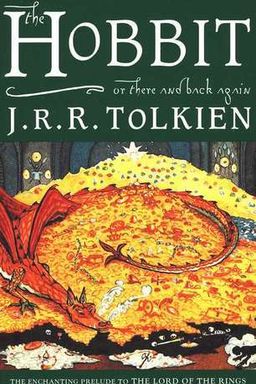
What would happen if comfort was taken away from you—and instead of curling deeper into safety, you found yourself drawn into a journey that tested everything you thought you were? The Hobbit by J.R.R. Tolkien asks this question at every turn. At its heart, it’s not just the story of Bilbo Baggins’s adventure toward the Lonely Mountain but a meditation on growth, courage, discovery, and the power of imagination to transform ordinary life.
Tolkien contends that adventure—especially unwanted adventure—reveals one’s truest nature. Bilbo begins as the very picture of comfort and reluctance, but through ordeals involving dragons, magic, greed, and friendship, Tolkien shows that courage and moral integrity often come from the most unexpected people. The Hobbit invites you to rethink what heroism looks like—not as brute strength or destiny, but as humility paired with quiet bravery.
A Tale of Self-Discovery
Bilbo’s transformation is the thread running through every part of his tale. The journey from Hobbiton to Erebor mirrors the psychological shift from innocence to experience, from willful ignorance to wisdom earned through trial. Bilbo learns to face trolls and spiders, survive the riddles of Gollum, and even stand up to dwarves and dragons—all while maintaining an inner decency that becomes his core strength. His journey isn’t about power or dominion like larger figures in Tolkien’s legendarium; it’s about learning to act bravely even when fear is overwhelming.
This theme of internal courage contrasts against external might, suggesting that the greatest victories come not on battlefields but within the heart. Tolkien’s academic background in mythology and medieval literature shaped this framework—drawing from Norse sagas and English folklore. He presents an archetype found throughout hero stories: the unexpected hero who becomes far more than others could imagine (similar to Odysseus’s cunning or Frodo’s endurance in The Lord of the Rings).
The Call to Adventure
Gandalf’s arrival at Bag End is the catalyst, symbolizing the intrusion of destiny into ordinary life. The wizard’s invitation to join Thorin Oakenshield’s quest for lost gold awakens Bilbo’s half-buried Tookish nature—his family’s adventurous side. This tension between the cautious Baggins half and the curious Took half mirrors the contradictions of human personality. We all carry both the longing for safety and the impulse to explore the unknown. Tolkien uses Bilbo to show how personal growth begins only once one listens to that restless voice that says, “There is more than this.”
Through trolls, goblins, elves, and dragons, Tolkien builds a fantastical landscape that reflects the moral and spiritual dimensions of the hero’s journey. Every encounter tests Bilbo’s ingenuity and empathy rather than his might, reinforcing that wisdom and kindness can overcome even ancient evils. As readers, we see that courage often emerges not from readiness but necessity.
A Mirror of Myth and Morality
The Hobbit operates as both myth and moral allegory. Tolkien’s characters—each race with its flaws and virtues—form a living fabric of Middle-earth’s moral geography. Dwarves illustrate ambition and pride, elves wisdom and restraint, men the turbulence of ambition, and hobbits the potential for harmony. Through this mosaic, Tolkien examines the corruption of greed (embodied by Thorin and Smaug) and the restorative power of humility and compassion (embodied by Bilbo and Bard).
The book’s structure follows the deep rhythm of old quest epics and fairy tales: a journey outward, trials faced, knowledge gained, and a return transformed. Bilbo’s homecoming—the “there and back again” of the title—reveals that the true quest was inward all along. The riches of his adventure are spiritual, not material. In Tolkien’s moral universe, those who cling to gold lose their humanity; those who find joy in simple things—like songs and friendship—gain lasting peace.
Why It Matters Today
Nearly a century later, The Hobbit remains universally resonant because it appeals to the part of each reader who is both afraid of change and fascinated by it. Tolkien invites you to see that adventure is not a disruption but a pathway to growth. Like Bilbo, you may discover that the worlds you fear to enter contain the very experiences that make you whole.
The story’s humor, warmth, and humanity remind us that even grand mythologies can begin in ordinary homes. The small can rise to greatness; the timid can find courage; and the comfortable can become wise wanderers. In the end, Tolkien’s greatest message is simple yet profound: you don’t need to be larger than life to live a great story—you simply need to step outside your door.