
Idea 1
Turning Sensitivity into Power in a Toxic World
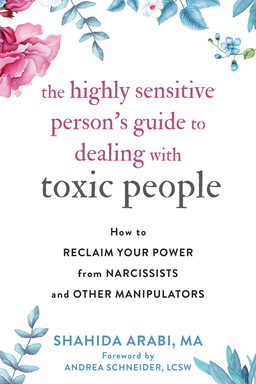
Have you ever felt like your empathy was both your greatest strength and your biggest vulnerability? Shahida Arabi’s The Highly Sensitive Person’s Guide to Dealing with Toxic People argues that your sensitivity is not a flaw—it’s a superpower. Yet, that same sensitivity often makes you an irresistible target for manipulators, narcissists, and other toxic personalities. Arabi contends that highly sensitive people (HSPs) experience the world with profound emotional depth, but this gift leaves them susceptible to psychological predators who exploit empathy for power and control.
Drawing on research from neuroscience, psychology, and trauma recovery, Arabi unveils how HSPs can reclaim their power. You’ll learn that high sensitivity is a scientifically recognized trait involving deeper processing and heightened empathy. This book explains why narcissists and sociopaths gravitate toward sensitive people—and how you can transform awareness of these dynamics into strategic self-protection and thriving.
Why Sensitivity Matters
Arabi introduces the concept of the HSP as a deeply responsive and intuitive individual whose brain processes stimuli and emotion more thoroughly than average. Based on research by psychologist Elaine Aron, about 15-20% of people fall into this category. You cry easily, feel others’ pain deeply, and notice subtleties others miss. It’s what makes you creative and compassionate—but also drained and overwhelmed when exposed to negativity or cruelty. Through vivid examples from real survivors, Arabi illustrates how toxic people weaponize sensitivity to gaslight and destabilize their victims.
The Cycle of Manipulation
Arabi shows how narcissists and sociopaths operate within predictable patterns. The book explains covert abuse cycles of love bombing (excessive flattery and attention), devaluation (criticism and withdrawal), and discard (abandonment). These stages create powerful biochemical addiction loops in your brain through dopamine, cortisol, and oxytocin. This mix of pleasure and punishment rewires survival instincts, making it difficult to leave even after recognizing toxicity. Arabi merges neuroscience with empathy training to clarify why ending contact with an abuser feels as hard as quitting an addictive drug.
A Spectrum of Toxicity
The author differentiates toxic individuals along a spectrum—from benign boundary-steppers to malignant narcissists and psychopaths. Not everyone who drains your energy is evil—but knowing which type you’re dealing with changes everything. Benign types can handle boundaries and change; malignant ones must be avoided for your safety. Through this lens, Arabi normalizes assertiveness as self-care rather than aggression. She even provides protocols for evaluating the context, frequency, and motivation of manipulative behavior, ensuring readers develop discernment rather than paranoia.
From Victim to Strategist
Arabi’s central promise is transformation—from feeling wounded and confused to becoming empowered and strategic. She teaches specific frameworks such as the CLEAR UP and OFTEN acronyms to navigate conversations, set boundaries, and exit abusive relationships. Her guidance emphasizes psychological safety, self-validation, and confirmation through documentation. For instance, using short factual communications and emotional distance (“gray rock method”) deprives narcissists of the fuel they crave: your reaction.
Healing and Resilience
Arabi also dismantles the myth that sensitivity equates to weakness. Instead, she positions it as an evolved biological radar—your early warning system for danger. The latter part of the book explores therapies (CBT, DBT, EMDR), biochemical recovery methods, and practical self-care routines. She encourages readers to recondition pleasure pathways through creative projects, exercise, and mindfulness instead of trauma bonds. Her approach is both scientific and spiritual—it demands you stop rescuing the toxic and start rescuing yourself.
Why does this matter? Because countless HSPs mistake their empathy for moral obligation. Arabi teaches that guilt isn’t compassion—it’s conditioning. Society trains sensitive people to sacrifice themselves at the altar of others’ dysfunction. This book turns that pattern on its head, showing how to embrace sensitivity as strategic intelligence and fierce boundaries as acts of love. In the end, Arabi’s work becomes a manifesto for reclaiming emotional sovereignty in a manipulative world.