
Idea 1
Raising Happy Kids in a Stressful World
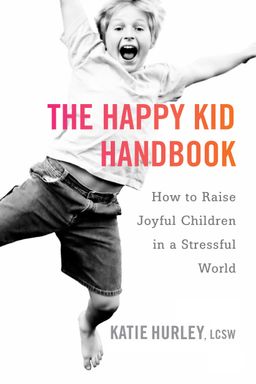
What if the greatest gift you could give your child isn’t a perfect education or unlimited activities, but genuine happiness? In The Happy Kid Handbook, psychotherapist and parenting expert Katie Hurley argues that the foundation of emotional resilience, mental health, and long-term success begins with happiness — not achievement. Through her work with children and families, Hurley shows that a happy child is not a perpetually smiling one, but one who can understand emotions, cope with stress, and feel secure being their authentic self.
Hurley contends that modern parents — driven by competition, academic pressure, and social comparison — have lost sight of the joy and simplicity that defines childhood. Happiness has been replaced by performance. But genuine happiness isn’t about pleasing others or following a perfect parenting formula; it’s about connection, empathy, play, forgiveness, and self-expression. Drawing from psychology, child development research, and heartwarming real-life cases, Hurley walks readers through how to cultivate these traits in their children — and in themselves.
Understanding the Parenting Shift
Hurley opens by exploring how parenting has evolved into a high-stakes competition. From managing screen time to academic success, today’s parents feel pressure to "get it right." Yet behind this pursuit of perfection often exists a deeper anxiety — fear of failure, judgment, and children falling behind. As Hurley notes, parents can’t model joy when they themselves are overwhelmed. Using touching stories like Jessica, the stressed-out mother whose anxiety fueled tension in her household, Hurley reveals how parental happiness directly impacts children’s well-being. Emotions are contagious, and kids absorb their parents’ stress even when adults think they’re hiding it. The first step in raising happy children, then, is cultivating happiness within yourself.
Parenting the Child You Have
One of Hurley’s central messages is that every child is unique. There is no one-size-fits-all parenting style. She invites readers to stop trying to mold their kids into an ideal and instead parent them according to their temperament and personality. Using her own two children as examples — Riley, the expressive, chatty extrovert, and Liam, the introspective introvert — she demonstrates how approaching each child individually breeds confidence and trust. For Hurley, the idea of fairness isn’t about treating everyone exactly the same; it’s about meeting each child’s needs where they are. "Fair," she writes, "is that everyone has what they need to thrive."
This individualized attention includes understanding the introvert-extrovert scale and building routines that fit a child’s wiring. Introverts require solitude to recharge after stimulation, while extroverts draw energy from interaction. Hurley shows how respecting these differences — giving downtime to the quiet child and engagement to the social one — produces calmer, happier homes. It’s a reminder that happiness blossoms from being seen and understood.
The Emotional Skills That Build Joy
Hurley identifies several pillars that form the emotional architecture of happiness: play, emotional literacy, empathy, forgiveness, assertiveness, inclusion, and passion. Each of these skills helps children process feelings, connect with others, and recover from challenges. For example, play is not mere fun; it’s children’s natural language, a way to rehearse life skills, build imagination, and relieve stress. Emotional literacy — learning to name and express feelings — prevents internalized stress and behavioral outbursts. Empathy nurtures compassion and strong relationships. Forgiveness teaches kids to release negativity and choose peace. Assertiveness and self-confidence empower them to use their voices kindly but firmly. And discovering personal passions helps them develop intrinsic motivation and joy.
Hurley’s storytelling — from seven-year-old Avery, who learned emotional healing through dollhouse play, to eight-year-old Jason, who transformed hate into understanding by learning to embrace differences — demonstrates how these capacities translate into real emotional resilience. Children who play freely, who are listened to, and who feel loved unconditionally not only handle frustration better but also radiate happiness.
Why Happiness Is a Skill, Not a Trait
Like positive psychologists such as Shawn Achor and Martin Seligman, Hurley believes that happiness can be learned. It’s an ongoing practice that requires emotional tools — resilience, gratitude, self-awareness — nurtured through family life. She dismantles the notion that some kids are born happy while others aren’t. Instead, through empathy, structure, and playful connection, parents can teach children how to find joy even in difficulty. This isn’t about avoiding sadness or discomfort. Rather, it’s about helping kids understand their emotions, recover from setbacks, and seek light amid the dark. Hurley’s practical exercises — from "feelings buckets" to empathy games to stress-reducing rituals — reinforce that happiness is a choice supported by skills.
Choosing Connection Over Perfection
Ultimately, Hurley’s message is both simple and profound: happy parenting fosters happy children. By modeling calm, empathy, flexibility, and gratitude, parents create environments where kids thrive emotionally and socially. The goal isn’t to eliminate frustration, protect them from pain, or engineer success. It’s to build a family culture that encourages authenticity, understanding, and joy. “Childhood,” Hurley writes, “should be full of laughter, curiosity, courage, and support.” When you prioritize these over perfection, you raise children who not only feel happy — they know how to make happiness happen again and again.