
Idea 1
Empowering Women Through Understanding Their Bodies
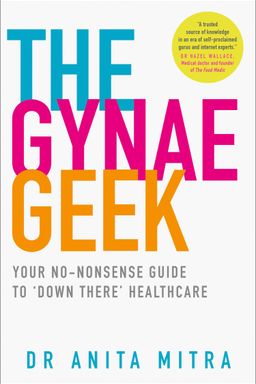
How well do you truly understand your own body—and what it’s trying to tell you each month? In The Gynae Geek, Dr. Anita Mitra argues that women’s health has suffered from silence and shame. She believes that empowerment begins with knowledge: when women understand their anatomy, cycles, and symptoms, they can take control of their health rather than living in confusion or embarrassment. Combining medical expertise, humor, and compassion, Mitra sets out to demystify everything from periods and discharge to fertility and menopause.
The author contends that society’s limited conversation about ‘down-there health’ leaves too many women misinformed, anxious, and reliant on Google or influencers instead of real science. By walking readers through the basics of anatomy, menstrual health, sexual wellbeing, fertility, and lifestyle factors, Mitra creates a comprehensive, evidence-based guide to the realities of being female. Every chapter challenges myths, celebrates normal variation, and explains practical steps for protecting health—without shame or judgment.
Breaking Taboos With Science and Empathy
Mitra begins with stories from her medical practice: women suffering in silence because they didn’t know their symptoms could be treated or were too embarrassed to ask. Her approach blends clinical facts with frank conversation—the kind of talk many women wish they’d had in school but never did. She insists that understanding your vulva, vagina, and menstrual cycle is not crude or taboo—it’s essential self-knowledge. Throughout, she urges women to replace social-media myths and playground misinformation with real, body-positive education.
From Anatomy to Lifestyle: A Full-Spectrum View
The book’s structure mirrors the biological journey of a woman’s life. It starts with anatomy—an overdue guide to what’s actually ‘down there’—and moves through puberty, periods, and hormonal changes. Later sections cover sexual health, contraception, and fertility with clarity and candor. Mitra also expands beyond medicine, connecting food, exercise, sleep, and stress to hormonal health. These later chapters argue that the brain and ovaries are deeply linked; poor sleep, chronic stress, and restrictive diets all interfere with natural cycles. By integrating lifestyle and medicine, Mitra places women’s health within the broader context of everyday living, creating what she calls an investment in future wellbeing.
Why This Knowledge Matters
For Mitra, women’s confusion around basic reproductive health isn’t just inconvenient—it’s dangerous. She recounts cases of patients who ignored symptoms for decades out of embarrassment, resulting in serious illness that could have been prevented. The book positions knowledge as a lifeline and an antidote to fear. When women understand what’s ‘normal’ and what’s not, they can speak up sooner, advocate for themselves, and challenge misinformation online. In that way, The Gynae Geek becomes a manifesto for smarter self-care, rooted in science rather than stigma.
“Knowledge isn’t just power—it’s prevention.” Mitra’s message is clear: every woman deserves access to honest, practical information about her body, free from shame or confusion.
Through humor, expertise, and empathy, The Gynae Geek transforms feminine health education into an approachable conversation. Whether explaining Pap smears, fertility myths, or the effects of stress, Mitra’s goal is simple—to make gynaecology accessible to everyone. By the end, you aren’t just informed; you’re equipped to care for yourself with clarity and confidence.