
Idea 1
Guns, Culture, and the American Dilemma
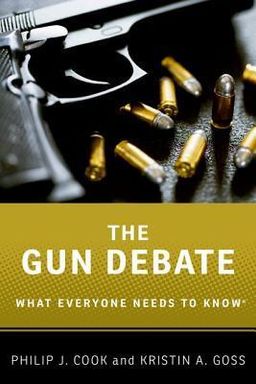
Why does the United States stand alone among democracies with both widespread private firearm ownership and unparalleled gun violence? The authors argue that to understand this paradox, you must look across history, culture, law, economics, and psychology. Guns in America are not just tools; they are symbols, commodities, and political flashpoints. This book traces how those layers interact to sustain a uniquely complex and polarized environment.
Scale and diversity of ownership
By conservative estimates, Americans privately hold more than 300 million guns—roughly one for every person. Ownership is highly concentrated: a minority of individuals possess the majority of firearms, often accumulating small arsenals for defense, sport, and collection. Men, rural residents, and whites are likeliest to own; urban minorities far less so. Firearms range from hunting shotguns to pistols to semiautomatic rifles, with handguns dominating new sales since 2008. These facts create both a market and a culture where access, identity, and risk converge.
Guns as symbols of protection and liberty
Self-defense now eclipses hunting as the primary reason people give for owning guns. Yet this has not always been true. In mid‑twentieth-century America, guns were largely sporting tools. The shift toward personal protection—fueled by media focus on crime and political appeals to individual rights—has transformed not only ownership patterns but also emotional attachments to firearms. For many, a gun is reassurance of control in uncertain times; for others, it signals distrust of authority. This mirrors a broader cultural narrative linking firearms to freedom.
Law, politics, and the Second Amendment
The legal context amplifies this culture. Landmark Supreme Court decisions—District of Columbia v. Heller (2008) and McDonald v. Chicago (2010)—redefined the Second Amendment as protecting an individual right to keep arms for self‑defense. That ruling elevated the moral and legal primacy of self-protection and made many regulatory efforts politically fraught. At the same time, state and local variations—ranging from permitless carry regimes to strict licensing—create a patchwork that frustrates both regulators and those seeking consistent national standards.
Costs, risks, and policy stalemates
The consequences of this system are staggering: about 40,000 gun deaths a year—mostly suicides, followed by homicides and accidental shootings—and tens of thousands of nonfatal injuries. Mass shootings, while statistically rare, exert outsize psychological and political influence. Despite recurrent crises, legislative progress remains limited. Polls show overwhelming support for universal background checks and other modest measures, yet partisanship, activism by the National Rifle Association (NRA), and cultural polarization freeze the debate. The authors argue that this impasse obscures pragmatic, evidence‑based reforms that could save lives without broad disarmament.
Key takeaway
America's gun dilemma originates not from one cause but from the intersection of culture, commerce, and constitutional identity. Effective reform must engage with all three.
The search for pragmatic solutions
Throughout the book, the authors balance data with empathy. They emphasize that finger‑pointing—between urban and rural, rights and safety camps—misses the deeper structure: guns serve both symbolic and practical functions. Real progress demands improving enforcement capacity, extending background checks, preventing access by violent offenders or those in crisis, and developing social norms of responsible storage and use. The book closes not in despair but with cautious optimism that targeted, evidence‑driven action and civic engagement can move policy beyond deadlock.
If you’re looking to understand modern gun politics, this synthesis reveals an enduring truth: the American relationship with firearms is an ecosystem—complex, contentious, and deeply entwined with national identity. Changing outcomes requires navigating that landscape with both rigor and respect.