
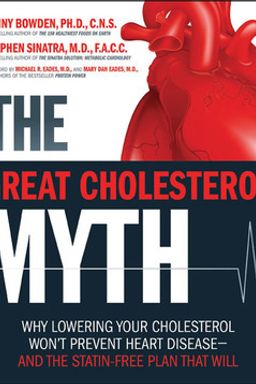
The Great Cholesterol Myth cover

The Great Cholesterol Myth

by Jonny Bowden, Stephen T Sinatra

The Great Cholesterol Myth challenges conventional medical wisdom by examining the true causes of heart disease. Authors Jonny Bowden and Stephen T. Sinatra debunk cholesterol''s bad reputation, instead highlighting the dangers of sugar and stress, while advocating for a balanced diet including saturated fats. This insightful book offers a new approach to heart health, grounded in cutting-edge research.

Rethinking Heart Disease from the Ground Up

For decades, heart disease was framed as a simple plumbing problem caused by too much cholesterol in your blood. This book turns that view upside down. It argues that your heart’s fate is determined not by one number on a lab test, but by an interconnected web—how your body handles lipoproteins, inflammation, oxidation, insulin, diet, stress, and even your social life. You’ll learn that cholesterol is not the villain; what happens to it inside your arteries is. You’ll also discover that heart health is as much about metabolic harmony and emotional well-being as it is about biochemistry.

From numbers to mechanisms

Most people think of cholesterol in terms of total or LDL “bad” cholesterol. The authors reveal why that’s outdated. Cholesterol itself is simply cargo—it floats through your bloodstream packaged in lipoproteins, the microscopic “boats” that transport fat and cholesterol. The real heart risk depends on how many of these boats are circulating, their size, and whether they’re damaged or oxidized. You’ll see that particle count (ApoB or NMR particle test) predicts risk far better than total or LDL mg/dL. Two people can have identical LDL levels but wildly different particle numbers—and risk profiles.

This shift—from obsessing over cholesterol quantity to understanding the quality and behavior of those particles—is at the core of the book’s argument. Lipoproteins carrying oxidized cholesterol in an inflamed environment are the real mischief-makers.

Inflammation, oxidation, and the spark of trouble

The text then makes another key move: explaining that inflammation and oxidation are the real instigators of plaque. Under normal conditions, cholesterol travels harmlessly through your arteries. But chronic inflammation—driven by high blood sugar, smoking, hypertension, poor diet, or stress—damages your arterial lining. Once inflamed, the barrier becomes leaky, allowing small, oxidized LDL particles to sneak in. Your immune system rushes in to patch the injury, leading to foam cells and fatty streaks—the seeds of atherosclerosis.

Without oxidation and chronic inflammation, cholesterol alone would rarely be harmful. The authors reference surgeon Dwight Lundell’s vivid operating-room accounts of fatty plaque as “a lake of foam cells” fed by inflammation, and they highlight how even normal LDL can become treacherous once chemically modified by free radicals.

The insulin connection: metabolism at the heart’s core

The book’s strongest message is that insulin resistance—not cholesterol—is modern cardiology’s blind spot. Insulin dysfunction often appears years before diabetes, setting the stage for vascular injury. Constantly high insulin levels raise blood pressure, lower HDL, increase triglycerides, and drive fat storage, particularly around the waist. The authors point out that this cluster—sometimes remembered by the acronym CHAOS (Coronary disease, Hypertension, Adult-onset diabetes, Obesity, and Stroke)—is the real precursor to heart disease.

Through studies by Joseph Kraft, Gerald Reaven, and others, the book shows that thousands of patients with “normal” blood sugar already had advanced hyperinsulinemia. Detecting insulin resistance early—using triglyceride-to-HDL ratio, fasting insulin, or LP-IR testing—may identify risk long before arteries harden. In this new model, sugar, refined starches, and sedentary living—not natural fats—are the metabolic drivers of heart disease.

Food, fats, and nutritional truth

Next, the book dismantles decades of diet dogma. It explains how historical bias and industry lobbying turned saturated fat into a scapegoat. New analyses reveal that total saturated fat intake doesn’t strongly predict heart events and that replacing it with refined carbohydrate or omega-6-rich vegetable oils can actually worsen risk. The problem, they argue, isn’t traditional fats—it’s modern, highly processed food filled with seed oils and sugar. The Mediterranean pattern remains valuable, but only when understood as a whole-food, low-sugar lifestyle—not a license to guzzle olive oil while eating white bread.

Statins and the bigger picture

Statins remain a central controversy. While they reduce LDL and sometimes lower inflammation, their broad benefits are limited. For secondary prevention—patients who’ve already had a heart attack—they help. But for most healthy people, absolute risk reduction is small, and side effects are underreported: muscle pain, fatigue, sexual dysfunction, memory issues, and increased diabetes risk. The book cautions against treating cholesterol as a villain to be eradicated, since cholesterol is the backbone of hormones, vitamin D, bile, and nerve integrity.

Better tests, safer paths

Instead of relying solely on LDL, the authors urge a 21st-century toolkit: NMR LipoProfile, ApoB, LP-IR for insulin resistance, hs-CRP and Lp-PLA2 for inflammation, and coronary calcium scans for plaque burden. Each helps you pinpoint the real process—oxidative, inflammatory, or metabolic—behind cardiovascular risk. They also highlight how nutrition studies have often gone astray through observational bias, confounding factors, and industry influence—calling for skepticism and context when interpreting “new cholesterol” headlines.

Beyond biochemistry: energy, nutrients, and emotion

Heart health isn’t just biochemical—it’s energetic and emotional. Supplements like CoQ10, L-carnitine, D-ribose, magnesium, and omega-3s provide cellular energy and resilience (Dr. Sinatra famously calls these the “metabolic awesome foursome”). But stress, loneliness, and repressed emotion can undo even the best nutrition plan. Through relaxation training, breathing, expressive writing, and heart–brain coherence (HeartMath), the authors show how calm and connection protect your cardiovascular system as powerfully as diet or exercise.

Essential message

Heart disease isn’t caused by cholesterol alone—it’s a system-level failure fueled by chronic inflammation, oxidation, metabolic stress, and emotional imbalance. Fix those roots, and you change your future more profoundly than by chasing one lab number.

By the end, you’re left with a powerful reframe: heart health starts with energy and balance—from the mitochondria that fuel your cells to the relationships that feed your spirit. Cholesterol is part of the story, but the true plot is written by lifestyle, emotion, and metabolism working together—or against you.


The Lipoprotein Revolution

If your doctor still orders a basic LDL-HDL panel, you’re seeing outdated medicine. The authors liken cholesterol to cargo and lipoproteins to the boats that carry it. The more boats there are—especially small, dense ones—the more likely you’ll have a 'collision' in your arteries. Two people with identical LDL levels may have dramatically different numbers of atherogenic particles, meaning their true risk diverges.

Particle number trumps cholesterol

Lipoprotein particle count (ApoB or NMR number) predicts cardiovascular events far better than LDL mg/dL. A high ApoB means too many cholesterol-laden boats in circulation, regardless of how 'good' your LDL number looks. Particle size also matters—small, dense LDL (Pattern B) is far more atherogenic than large, buoyant LDL (Pattern A). These differences explain why nearly half the people hospitalized with heart disease have normal LDL levels.

Modern tests for a modern model

Tests like the NMR LipoProfile or ApoB measurement show particle number and size, revealing the “boats” rather than just the cargo. You can also use proxies like the triglyceride-to-HDL ratio (target under 3; under 2 is ideal). A high ratio correlates with insulin resistance and small particle prevalence, signaling metabolic distress even if LDL looks fine.

A better way to read your labs

If your triglyceride/HDL ratio is poor or NMR results show small LDL particles, your top priority is improving insulin sensitivity through diet—lowering refined carbohydrates, increasing omega-3s, and exercising regularly. The authors note that standard lipid numbers can misclassify both risk and success. Patients on low-carb diets sometimes see LDL rise slightly but triglycerides drop and HDL climb—a pattern that improves outcomes in the particle model.

Key point

You can’t manage what you can’t measure. Ask your clinician for ApoB or particle testing—the simplest path to uncover your real cardiovascular risk.

Understanding these nuances marks a shift in cardiology’s focus—from chasing cholesterol reductions at all costs to correcting the metabolic environment that makes those lipoproteins dangerous.


Inflammation, Oxidation, and Arterial Damage

The book reframes heart disease as an inflammatory condition, not merely a lipid one. Think of your vessel wall as a protective barrier. When it’s intact, cholesterol passes harmlessly by. But chronic inflammation—driven by high blood sugar, hypertension, or toxins—makes that barrier leaky. Oxidative stress then modifies LDL into a toxic form that penetrates the arterial wall, triggering an immune cascade.

The inflammatory engine

Once oxidized LDL gets trapped inside the vessel wall, the immune system recruits macrophages to clean up the mess. These fill with cholesterol and become “foam cells,” forming the core of plaque. The process continues silently for years—until the fibrous cap over the plaque ruptures, setting off a heart attack. Dr. Dwight Lundell’s surgical experience gives this mechanism a visual vividness: 'fatty lakes' of damaged tissue under inflamed arteries.

Oxidation: the spark of dysfunction

Oxidative stress—the overproduction of reactive oxygen species—comes from smoking, excessive omega-6 oils, iron overload, and high-glycemic diets. A smoker may have normal LDL levels yet disproportionately oxidized particles, illustrating how context changes risk entirely. Antioxidant nutrients and omega-3s are protective because they make LDL harder to oxidize and reduce endothelial injury.

Testing for hidden inflammation

High-sensitivity CRP, Lp-PLA2, MPO, and ferritin help reveal silent vascular inflammation. The authors consider optimal CRP less than 0.8 mg/dL. High readings flag ongoing damage regardless of cholesterol level. This shift—from focusing on cholesterol to measuring inflammatory and oxidative status—aligns with breakthroughs by Peter Libby, Paul Ridker, and others, who redefined heart disease as a chronic wound-healing disorder.

Clinical takeaway

Without oxidation or inflammation, cholesterol is innocuous. Protect your arterial lining and you render cholesterol nearly harmless.

Controlling inflammation through nutrient-dense, low-sugar foods, omega-3 balance, and stress reduction becomes the most effective form of heart prevention—a direct reversal of the cholesterol-centric model.


Insulin Resistance: The Hidden Early Warning

Insulin resistance, not cholesterol, is often the first signal that your metabolism is drifting toward heart disease. Years before blood glucose rises, your insulin levels may already be high, silently reshaping your lipid profile, blood pressure, and vascular health. This 'energy traffic jam' affects almost everything your heart depends on—fuel delivery, fat burning, and arterial tone.

Why insulin drives chaos

Insulin’s job is to help cells absorb and store nutrients. When those cells become resistant—often after chronic high intake of sugar, refined starches, and processed food—the pancreas compensates by pumping out more insulin. Chronically elevated insulin raises blood pressure (via sodium retention), lowers protective HDL, increases triglycerides, and promotes visceral fat. Collectively, this pattern—'CHAOS'—sets the stage for vascular injury.

Early detection tools

Testing fasting insulin (ideal under 5 µIU/mL) and calculating HOMA-IR detect metabolic problems while your glucose remains “normal.” The book advocates newer options like LabCorp’s LP-IR and simple proxies such as triglyceride-to-HDL ratio. A ratio below 2 is healthy, 3–4 signals risk, and above 5 demands urgent lifestyle change.

Why sugar—not fat—is the driver

Fructose in sodas, energy drinks, and processed foods raises triglycerides and fosters fatty liver. The liver’s overload of fructose fuels insulin resistance and oxidation. Researchers such as Robert Lustig and John Yudkin warned decades ago that sugar, not fat, drives cardiovascular risk. When you lower sugar and refine carbs, insulin drops, triglycerides fall, HDL rises, and small LDL particles decline—fixing multiple risk factors at once.

Practical insight

Your fasting glucose may look fine while insulin resistance quietly advances. Test insulin early, manage carbs, and monitor your triglyceride/HDL ratio. Prevention starts long before diabetes.

Through this lens, 'heart disease' becomes largely a metabolic disorder—delay insulin resistance, and you delay heart disease itself.


Rethinking Dietary Fat and the Mediterranean Pattern

For fifty years, fat was demonized. But this book argues that the story is more nuanced: some fats heal, some harm, and the replacement nutrient matters more than fat quantity. The 'Mediterranean diet' itself, praised for longevity, is not simply low-fat—it’s low in junk.

Fats are families, not villains

Short- and medium-chain saturated fats like lauric acid (found in coconut) often raise HDL, while certain longer-chain ones can modestly raise LDL. But replacing all fat with carbs or industrial seed oils doesn’t improve outcomes. Meta-analyses by Siri-Tarino, Chowdhury, and Ramsden show inconsistent—or no—links between saturated fat and heart events once confounding variables are controlled.

Omega balance and seed oil overload

Modern Western diets skew the omega-6:omega-3 ratio to 15–25:1, a pro-inflammatory state. Excess linoleic acid from soybean, corn, and canola oils increases lipid peroxidation and endothelial inflammation. Correcting the ratio—favoring omega-3-rich fish, nuts, and pastured meats—restores inflammation balance and stabilizes membranes.

The real Mediterranean advantage

Traditional Mediterranean communities thrived not just on olive oil but on lifestyle: fish, vegetables, family meals, physical activity, limited sugar, and minimal processed food. The authors note that Sardinia includes meat and cheese, yet heart disease rates remain low, illustrating that context and whole-food patterns matter more than a single macronutrient rule.

Practical takeaway

Stop fearing all fat. Instead, avoid seed oils, sugar, and refined starches. Favor olive oil, wild fish, nuts, and grass-fed meats within a whole-food diet. Heart health thrives on nutrient quality, not calorie arithmetic.

By aligning modern nutrition with ancestral balance—moderate carbs, diverse fats, and an anti-inflammatory lifestyle—you protect your arteries at every level.


Statins, Cholesterol, and Informed Caution

Statins change cholesterol numbers dramatically, but as the authors detail, their effect on longevity and overall health depends on context. They emphasize that cholesterol is essential, not expendable—it’s the backbone of hormones, vitamin D, bile salts, and nervous tissue. Lowering it too far can impair cognition, libido, and muscle energy.

What evidence really shows

Trials like JUPITER and ASCOT-LLA revealed modest relative benefits but tiny absolute risk reductions (around 1% or less). Benefits are strong for secondary prevention—people with prior heart attacks—but far weaker for primary prevention in healthy adults. The book cites analyses by John Abramson and the Therapeutics Initiative showing no clear mortality benefit for many populations, especially women and older adults.

Collateral metabolic costs

Statins inhibit the mevalonate pathway, depleting CoQ10 and lowering mitochondrial energy. Symptoms include fatigue, muscle pain, memory loss, and sexual dysfunction. They also modestly raise diabetes risk. Ironically, some benefits may stem not from LDL lowering but from reduced inflammation, as seen in CRP declines.

Smart use and supplementation

If you need a statin—typically after a cardiac event—mitigate side effects with 100–200 mg/day CoQ10, ensure adequate magnesium, and re-evaluate need periodically. The authors advocate personalized prescribing rather than population-wide use. They also highlight emerging alternatives like PCSK9 inhibitors but caution that long-term outcomes remain under investigation.

Central message

Lower isn’t always better. Cholesterol serves too many vital functions to chase it blindly. Treat numbers in context, not isolation.

This perspective reframes statin use from a reflex prescription to an informed choice—one part of a broader metabolic and lifestyle strategy, not a substitute for it.


Nutrition, Supplements, and Practical Prevention

After debunking outdated paradigms, the book lays out actionable strategies to repair the metabolic and energetic roots of heart disease. Central to this plan is simplifying choices: cut inflammatory foods, add restorative ones, and support your cellular energy factories with targeted nutrients.

Dump it: food to remove now

  • Sugary drinks and juices (fastest fix—stop soda and energy drinks).
  • Processed carbs like cereals, white breads, pastries, and snacks.
  • Trans fats and heavily refined omega-6 seed oils (corn, soy, canola).
  • Factory meats and highly processed deli products.

Eat this instead

  • Wild salmon and fatty fish for EPA/DHA and antioxidants.
  • Berries, cherries, nuts, beans, and colorful vegetables.
  • Grass-fed meats and extra-virgin olive oil.
  • Dark chocolate, green tea, and pomegranate juice for polyphenols.

The metabolic 'Awesome Foursome'

Dr. Sinatra highlights four cornerstone nutrients that reboot heart-cell energy: CoQ10 (restores mitochondrial function), D-ribose (rebuilds ATP), L-carnitine (shuttles fat into cells for fuel), and magnesium (relaxes arteries, stabilizes rhythm). Add omega-3 fish oil and niacin for lipid support. Together, they strengthen your heart’s 'metabolic engine'.

Action takeaway

Simple diet shifts and evidence-based supplements can cut inflammation, restore ATP production, and improve heart performance within weeks—often with fewer side effects than drugs.

Heart protection begins not with deprivation but nourishment—fueling your mitochondria, balancing fats, and removing the hidden metabolic irritants of modern life.


Mind, Stress, and Heart Coherence

You can’t separate emotional health from cardiac health. The final chapters remind you that stress hormones, loneliness, and emotional repression can undo the benefits of any diet or supplement plan. Chronic stress raises cortisol and adrenaline, spiking blood pressure and inflammation. Neglected emotions—anger, fear, grief—literally weigh on your heart.

The relaxation response

Dr. Herbert Benson’s relaxation response—ten minutes of slow breathing, relaxed attention, and repetition of a calming word—lowers heart rate and blood pressure measurably. Practiced daily, it shifts your nervous system from fight-or-flight to rest-and-repair, allowing arteries to dilate and inflammation to subside.

Emotional expression and connection

Research by James Pennebaker shows that writing or speaking about difficult emotions improves immune and vascular health. Laughter, play, massage, and sexual intimacy raise oxytocin and counteract sympathetic overdrive. The HeartMath method uses biofeedback to train 'heart coherence'—a harmonious rhythm linked to calm and gratitude.

Core message

No supplement can overcome chronic stress. Breath, connection, and joy are biochemical medicine.

Your mind, heart, and body are a single network of feedback loops. Heal one, and you uplift the others. That is the book’s final argument: true cardiology must include the human spirit.

Dig Deeper

Get personalized prompts to apply these lessons to your life and deepen your understanding.

Go Deeper

Get the Full Experience

Download Insight Books for AI-powered reflections, quizzes, and more.