
Idea 1
The Go-Giver Mindset: Success Through Giving
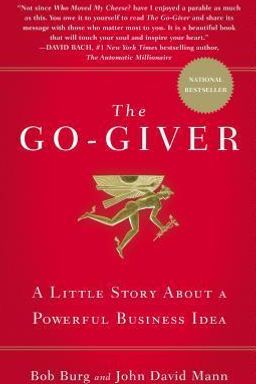
What if everything you’ve been taught about success—working harder, hustling smarter, getting ahead—was only part of the truth? In The Go-Giver by Bob Burg and John David Mann, that assumption gets turned inside out. The authors contend that genuine success isn’t built by chasing wins or manipulating outcomes, but by shifting focus from getting to giving. It’s a philosophy that sounds deceptively simple, yet it transforms how you interact, sell, lead, and live.
Through the story of Joe—a young, ambitious sales professional desperate to hit his targets—the authors illustrate a powerful idea: when you focus on adding value to others, serving generously, and creating trust, success stops being an elusive chase. It starts becoming a natural byproduct of your character and connections. Pindar, the wise mentor Joe meets, introduces him to the Five Laws of Stratospheric Success, each representing a shift from competition and accumulation toward contribution and authenticity.
The Five Laws That Redefine Success
Over the course of a transformational week, Joe learns to apply these five principles:
- The Law of Value: Your worth is measured by how much more value you give than you take in payment.
- The Law of Compensation: Your income depends on how many people you serve and how well you serve them.
- The Law of Influence: Your influence grows the more you put others’ interests first.
- The Law of Authenticity: The most valuable thing you can offer is yourself.
- The Law of Receptivity: The key to giving is staying open to receiving.
Each law confronts a traditional business cliché. Instead of “networking to win,” Joe learns to build genuine relationships. Instead of seeing deals as zero-sum, he learns that abundance multiplies when shared. And instead of measuring success by quarterly quotas, he starts viewing it through impact and connection.
Why This Philosophy Matters
What makes The Go-Giver resonate so deeply isn’t just its business relevance—it’s how it redefines achievement as a moral and emotional journey. Like books such as Stephen Covey’s The 7 Habits of Highly Effective People or Adam Grant’s Give and Take, Burg and Mann argue that serving others first doesn’t make you naive—it makes you powerful. Genuine success—the kind that’s sustainable and fulfilling—emerges when influence replaces force, generosity replaces greed, and relationships replace transactions.
In Joe’s world of quotas and competition, being a go-getter is the cultural ideal. But through Pindar’s mentorship and encounters with Ernesto the restaurateur, Nicole the educational innovator, Sam the philanthropist, and Debra the real estate maven, Joe realizes that everyone who truly excels shares one trait: they give abundantly. They give time, expertise, trust, care—and as a result, receive far more than they ever pursued directly.
From Scarcity to Abundance
At its core, The Go-Giver is about flipping the inner script from scarcity to abundance. When you operate as though resources, opportunity, and goodwill are finite, every interaction becomes a competition. But when you view success as an ecosystem of shared value, you start participating in a cycle of giving and receiving that expands your reach and impact. As Pindar shows Joe, “The world treats you more or less the way you expect to be treated.” That’s not just psychology—it’s alignment of attitude and outcome.
The Story That Models the Shift
Joe’s transformation—from chasing deals to building meaning—is the engine of the book. Initially, he’s desperate for leverage and clout, but his pursuit keeps failing. By contrast, his mentors succeed because they emphasize service. Ernesto doesn’t sell food—he creates unforgettable experiences. Nicole doesn’t sell software—she touches millions of children’s lives. Debra doesn’t sell houses—she sells self-worth. In witnessing them, you see the unseen power of generosity at work.
Why It’s a Universal Lesson
This isn’t merely a business manual; it’s a human philosophy. Burg and Mann demonstrate how these principles apply everywhere—from marriages and friendships to leadership and learning. They challenge you to look beyond short-term gains and invest in long-term significance. By the book’s end, Joe’s career transforms not because he figured out the right formula but because he became the kind of person success naturally gravitates toward: authentic, generous, and open. And that’s the message—it’s not about the deal you chase, but the person you become while giving.