
Idea 1
The Life-Affirming Philosophy of Swedish Death Cleaning
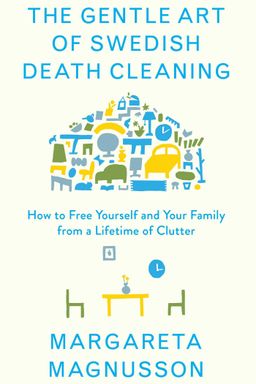
How can you make peace with everything you’ve accumulated in life—your possessions, memories, and legacy—without leaving chaos behind for those you love? In The Gentle Art of Swedish Death Cleaning, Margareta Magnusson, a Swedish artist aged somewhere between eighty and one hundred, argues that decluttering isn’t simply an act of tidiness—it’s a profound, compassionate way to prepare for life’s final transition. She introduces us to the Scandinavian concept of döstädning, where dö means “death” and städning means “cleaning.” Far from morbid, death cleaning is presented as a meditative, life-enhancing practice—a gentle art that helps you live lighter as you age, while sparing others from confusion once you’re gone.
Magnusson contends that Swedish death cleaning isn’t a one-time purge but an ongoing philosophy, transforming how you view possessions, responsibility, and relationships. Unlike Marie Kondo’s emphasis on joy, Magnusson stresses practicality and kindness: you keep what’s useful and meaningful, and let go of the rest. Her message is simple yet profound—by taking control of your accumulation now, you gift peace to your future self and your loved ones later.
Facing Mortality Without Fear
At its heart, Magnusson’s book is about confronting mortality with humor and realism rather than avoidance. She writes candidly, weaving her own experiences cleaning out her parents’ and husband’s belongings, organizing her home, and reflecting on aging. Death cleaning becomes her vocabulary for acceptance—a way to talk about death openly in families where the topic often feels taboo. By sorting through belongings, we begin to sort through our own emotions and history, turning a daunting subject into a loving conversation.
As she explains, “Death cleaning is not sad.” It’s a chance to celebrate the life you’ve lived and to ensure the people who follow you don’t have to sift through piles of forgotten objects. In her view, every trinket is a story; revisiting them one last time allows you to relive the happy moments and let go of regrets. The process is as much about emotional clarity as physical decluttering.
Why Swedish Death Cleaning Matters Today
Magnusson situates her practice in the modern world’s relentless consumerism. We accumulate furniture, gadgets, clothes, and sentimental keepsakes until our homes—and minds—feel crowded. She observes that the pace of life has accelerated, yet we rarely slow down to evaluate what all this accumulation means. The Swedish death cleaner, in contrast, becomes mindful and purposeful, rediscovering the joy of simplicity. By cleaning before death, you prevent others from inheriting not just things, but burdens.
In today’s context—where minimalism movements and sustainability have gained traction—Magnusson’s approach fits seamlessly. But unlike trends that glorify minimalism as an aesthetic choice, death cleaning has ethical roots. It’s propelled by kindness: don’t force your clutter onto others. Don’t leave unanswered questions about what mattered to you or what should be done with your possessions. Magnusson’s readers are encouraged to take responsibility now, not later.
The Structure of the Journey
Across the book, Magnusson moves from philosophy to practical instruction. She teaches you how to begin—starting small, choosing easy categories like clothes before facing emotional items such as photos. She shows how to engage family gently, offering examples of how to talk to aging parents about their belongings. She also discusses moving, downsizing, and even how to handle secret possessions or embarrassing items that might surface later. Throughout, humor, warmth, and honesty replace any notion of morbidity.
The book is also deeply autobiographical. Magnusson describes helping her father and husband downsize, gradually giving away items over the years, and organizing her own final move to a modest apartment in Stockholm. Through these vignettes, she models the art of embracing change. You’ll encounter stories of a sentimental bracelet sold to prevent family quarrels, an attic full of forgotten toys, letters from decades past, and even anecdotes about eccentric Swedish customs. They illustrate that death cleaning is not just decluttering—it’s a tapestry of human life woven through objects, memory, and meaning.
A Legacy of Compassion and Clarity
Ultimately, Magnusson’s philosophy is about leaving behind relief rather than chaos. She reminds readers that “No matter how much they love you, no one will enjoy cleaning up after you.” Her words are pragmatic but tender. Cleaning before death communicates care—it frees loved ones to grieve, to remember the person you were, rather than to argue over things. Her own children, who live around the world, inspired the book; she didn’t want them to face an overwhelming legacy after her passing.
This first and central idea—the gentle art of Swedish death cleaning—invites readers into an intimate conversation about legacy, memory, and simplicity. It isn’t about death. It’s about life: how to live lightly so others can live freely after you. As Margareta Magnusson puts it, “Putting your house in order is one of the most comforting activities, and its benefits are incalculable.” Through döstädning, we face the end not with fear but with gratitude—and a clearer path for those who come after.