
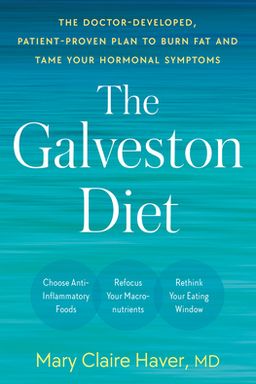
The Galveston Diet cover

The Galveston Diet

by Mary Claire Haver, MD

The Galveston Diet by Dr. Mary Claire Haver is a revolutionary plan tailored for women experiencing perimenopause or menopause. This six-week program combines intermittent fasting, macronutrient tracking, and anti-inflammatory recipes to tackle hormonal imbalances, promote fat loss, and enhance overall wellness. Experience a transformative lifestyle shift for enduring health and vitality.

Redefining Midlife Health Through The Galveston Diet

What if the struggle you’ve blamed on your willpower was actually driven by biology? In The Galveston Diet, Dr. Mary Claire Haver, an OB-GYN turned wellness pioneer, dismantles the outdated notion that women’s midlife weight gain and fatigue are simple math problems of calories in versus calories out. Instead, she argues these issues are symptoms of profound hormonal changes and inflammation that demand a brand-new nutritional strategy—one designed for the unique physiology of women in perimenopause, menopause, and beyond.

Haver’s approach, born out of personal frustration when traditional dieting failed her, reframes midlife health as a matter of working with your changing body rather than fighting against it. Her core argument: women can regain energy, confidence, and metabolic balance by integrating three synergistic practices—intermittent fasting, anti-inflammatory nutrition, and fuel refocus. Together, they transform how the body burns energy, regulates hormones, and responds to aging.

The Midlife Metabolic Shift

Dr. Haver begins with the reality most women eventually face: the creeping midsection weight, brain fog, sleeplessness, and mood fluctuations that make midlife feel alien. Many women attempt to fix these symptoms with traditional low-calorie diets or excessive exercise, but Haver explains that hormonal changes sabotage those efforts. As estrogen declines, insulin resistance rises, cortisol spikes, and inflammation spreads. What worked at 25 stops working at 45. The result isn’t failure—it’s physiology.

Her insight came after her own 20-pound weight gain during perimenopause, which no amount of calorie restriction could reverse. By returning to the research and reexamining metabolism through the lens of hormonal physiology, Haver uncovered a deeper truth: the issue isn’t just overeating but how food timing, nutrient quality, and inflammation interact with our hormones. This set the foundation for the Galveston Diet—a lifestyle, not a temporary detox.

Three Pillars of Transformation

The power of the Galveston Diet lies in its holistic design. Intermittent fasting (16:8 fasting windows) helps women reset insulin sensitivity and ignite fat-burning. Anti-inflammatory nutrition ends the cycle of swelling and fatigue, focusing on whole foods, olive oil, salmon, greens, and turmeric while cutting refined sugars and seed oils. Finally, fuel refocus shifts the body’s energy source from glucose to healthy fats using macronutrient ratios—70% fat, 20% protein, 10% carbohydrates—to train metabolism toward sustainable energy.

Rather than calorie counting, Haver teaches women to track “macros” and observe how food affects symptoms, mood, and energy. The balance of these actions empowers women to feel satiated rather than deprived, strong rather than sluggish.

More Than a Diet: A Lifestyle Prescription

What distinguishes Haver’s program from most nutrition books is its emotional realism. She doesn’t sell a quick fix; she prescribes a lifelong companionship with your body. The Galveston Diet becomes a framework for living—backed by research, but flexible enough to sustain real life. Maintenance phases gradually adjust macronutrient ratios (toward 40% carbs, 40% fat, 20% protein), making it possible to sustain the benefits indefinitely.

Haver’s central message is compassionate yet empowering: menopause is not a loss but a new opportunity. With understanding and structure, you can reshape your health trajectory and enter this next chapter vibrant, purposeful, and strong. And as countless stories in the book show, from Paula the firefighter reversing PCOS to Kelli who lost 100 pounds, these tools work because they honor biology, not punish it.

“Nutrition is the most underutilized medication, yet the most effective,” Haver reminds us—a statement that drives her mission to put medical science into every woman’s kitchen.

Throughout the chapters ahead, Haver builds from this foundation—clarifying hormonal mechanics, teaching fasting techniques, decoding inflammation, and guiding readers into a life-long rhythm of nourishment. At its core, The Galveston Diet reimagines midlife not as decline, but as transformation through science, self-trust, and daily ritual.


Intermittent Fasting: Resetting Metabolism

Fasting isn’t new—our ancestors fasted out of necessity long before it became a health movement. But Dr. Mary Claire Haver reintroduces intermittent fasting (IF) as a powerful tool for midlife women, especially during hormonal transitions. Her preferred form, the 16:8 method—fasting for sixteen hours and eating during an eight-hour window—gently trains your body to burn stored fat rather than rely solely on glucose.

Why Fasting Works for Women

As estrogen declines in perimenopause, insulin sensitivity falls and cortisol rises, making fat loss difficult. Intermittent fasting reduces insulin levels, giving the body a hormonal “reset.” It also promotes autophagy—a cellular renewal process likened to a detox for your cells—which may slow aging, enhance immune defense, and improve energy. Haver cites research showing that IF can lower fasting blood sugar by up to 6% and drop insulin levels by over 20%, with benefits for inflammation and metabolic health.

Getting Started—Without the Hunger

Launching IF gradually is key. Haver teaches students to extend breakfast by 30 minutes every few days until they reach a comfortable fasting rhythm. Since most fasting hours occur during sleep, the process feels surprisingly easy. Hydration is essential—black coffee, tea, or water keep hunger at bay. And during eating windows, nutrient-dense foods replace snacks full of sugar or processed carbs.

Kelly, a 42-year-old patient described in the book, exemplifies its magic. After a few weeks of consistent fasting, she reported restored mental clarity, reduced bloating, and more stable moods—symptoms that had plagued her during perimenopause.

Beyond Weight—The Cellular Payoff

Fasting triggers autophagy and the release of ketones, helping cells clean out damaged material—a process often compared to spring cleaning for the body. Studies show IF may protect neural pathways, improving memory and neuroplasticity while reducing Alzheimer’s risk. It also decreases inflammatory monocytes and lowers markers like C-reactive protein. Haver calls fasting a “miracle lever” for cellular repair that complements anti-inflammatory nutrition.

Myths & Practical Wisdom

  • **Myth:** Fasting slows metabolism. **Reality:** Moderate fasting increases growth hormone and norepinephrine, boosting metabolism.
  • **Myth:** It’s just skipping breakfast. **Reality:** The eating window can be adjusted; what matters is fasting consistency, not the hour you eat.
  • **Myth:** It’s only for weight loss. **Reality:** IF improves mental sharpness, digestive function, and longevity markers.

Intermittent fasting, combined with mindful nourishment, becomes more than an eating schedule—it’s a biological rebalance that turns back the metabolic clock and restores harmony where hormones once wreaked havoc.


Managing Inflammation to Heal From Within

Inflammation is both the body’s best protector and worst enemy. Acute inflammation heals wounds and defends you from infection, but chronic inflammation silently damages tissues, increases fat storage, and accelerates aging. For midlife women—when hormonal fluctuations already promote swelling and pain—this becomes a perfect storm. Dr. Haver insists that calming this internal fire must become a daily practice.

From Hidden Sparks to Full Fires

Aging, stress, and the Standard American Diet combine to create persistent “invisible” inflammation. Declining estrogen weakens the gut barrier, allowing toxins and undigested particles to seep into the bloodstream (“leaky gut”), triggering immune alarms. Inflammatory cytokines flood the system, promoting joint pain, brain fog, and bone loss. This explains why seemingly unrelated midlife complaints share a common root.

Haver’s Anti-Inflammatory Blueprint

  • Balance Fats: Replace omega-6 heavy oils (corn, soybean) with omega-3–rich fats like salmon, flax, and walnuts to rebuild cellular resilience.
  • Cut Added Sugars: Limit to under 25 grams daily. Excess sugar spikes insulin and triggers inflammatory hormone cascades.
  • Avoid Artificial Additives: Preservatives, dyes, and sweeteners (like aspartame or sucralose) disrupt healthy gut bacteria and ignite inflammation.
  • Eliminate Processed Meats: Nitrates and nitrosamines form toxic compounds linked to cancer and tissue inflammation.
  • Choose Antioxidant Foods: Berries, broccoli, turmeric, garlic, olive oil, and green tea neutralize free radicals before they damage cells.

Food as the Most Powerful Medicine

Anna’s story illuminates this truth. Plagued by arthritis and fatigue, she learned she was sensitive to gluten and additives. After switching to Haver’s anti-inflammatory plan—fresh vegetables, healthy fats, no processed snacks—her inflammation plummeted and weight dropped by 13 pounds in ten weeks. Haver calls cases like Anna’s “visible inflammation reversals.”

“Some of our best tools against inflammation come not from the pharmacy but from the grocery store.”

By transforming your meals, you transform your biology. The Galveston Diet doesn’t just reduce pain—it rebuilds the body’s ability to heal, sustain energy, and age gracefully from the inside out.


Fuel Refocus: Rewiring What Your Body Burns

Picture your metabolism as a hybrid car. Until midlife, you’ve run mostly on quick-burning carbohydrates. But as cellular efficiency wanes, that energy system backfires—leaving you fatigued, hungry, and storing fat. Dr. Haver’s “fuel refocus” step teaches you to switch energy sources: from sugar reliance to fat utilization. The result is a calmer appetite, stable energy, and steady fat burn without deprivation.

The Science of Fat Adaptation

When you eat constant carbs, insulin floods your bloodstream, preventing fat burning. Restricting carbohydrates to about 10% of calories forces your body to metabolize fat for energy, producing “ketone bodies” that fuel cells cleanly. Unlike extreme keto diets—which Haver criticizes as inflammatory—the Galveston Diet emphasizes quality fats like avocados, nuts, olive oil, and fatty fish.

Her macro formula—70% fat, 20% protein, 10% carbohydrates—creates this metabolic flexibility. Over weeks, the body learns to prefer fat as its primary fuel, a process called fat adaptation. Patience is essential; transformation happens in three to four weeks, not overnight.

Overcoming Early Challenges

  • Carb Withdrawal: Expect headaches and fatigue early on—it’s detox from sugar dependence. Rehydrate and replenish electrolytes with leafy greens, avocados, and nuts.
  • Not Enough Fat: Many women underfeed themselves fat out of habit. Haver urges relearning that healthy fats are your new fuel, not the enemy.
  • Hidden Carbs: Sauces, “low-fat” products, and condiments can sabotage progress; reading labels becomes a survival skill.

Haver also introduces her “sugar detox reset”—a ten-day protocol to eliminate added sugars and rewire your tastebuds. By day ten, cravings subside dramatically, proving that hunger isn’t lack of willpower but hormonal misfire.

Freedom, Not Restriction

“Calories are not created equal,” Haver reminds us—nutrient composition determines hormonal outcome.

Fuel refocus offers liberation: no calorie counting, no obsessive math. You simply eat foods that nourish metabolism. As your body relearns to trust fat, your energy stabilizes and your waistline shrinks—not as punishment, but as the natural response of a balanced system.


Hormones: The Hidden Drivers of Weight

Dr. Haver reframes weight gain as a hormonal dialogue gone awry. You’re not failing diets—your hormones are dictating your metabolism, appetite, and fat storage. Her deep-dive chapter on hormones reveals nine main players, each influencing a different lever of health.

The Major Hormonal Players

  • Estrogen: Orchestrates body fat distribution, mood, and cholesterol control; its decline shifts fat toward the abdomen.
  • Insulin: Controls blood sugar and fat storage; excess carbs drive insulin resistance, storing more belly fat.
  • Leptin & Ghrelin: Tell your brain when you’re full or hungry. Stress, sleep loss, and processed food blunt their signals.
  • Cortisol: Chronic stress hormone; stores visceral fat when perpetually elevated.
  • GLP-1, NPY, PYY: Gut-derived hormones that regulate cravings and satiety—Haver calls them the “food mood team.”

Balancing Hormones Through Food

Haver’s solution isn’t pharmaceuticals (though she supports hormone replacement therapy for some) but nutritional precision. Cruciferous vegetables help detox excess estrogen. Protein, magnesium, turmeric, and green tea help insulin and cortisol stay balanced. Probiotic foods like yogurt and fermented vegetables strengthen gut-brain hormonal signaling.

Steph’s story brings the science home: after years of yo-yo dieting and pre-diabetes, she lost 60 pounds on the Galveston Diet and no longer needed medication. Her blood pressure normalized, and her energy soared—a direct reflection of hormonal recalibration.

Understanding and respecting your hormonal orchestra isn’t just about appearance—it’s about regaining bodily sovereignty. As Haver notes, when hormones are managed nutritionally, metabolism follows naturally.


Preparing for Change and Building New Habits

Lasting health starts with organization, not perfection. Before beginning, Haver encourages readers to treat preparation like a medical protocol. Measure, track, plan, and journal to transform self-awareness into sustainability.

Measure What Matters

Instead of obsessing over scale numbers, she prioritizes the waist-to-hip ratio (WHR) as a truer marker of health. Abdominal fat predicts inflammation and disease risk far more accurately than weight. She teaches simple methods for measuring WHR and interpreting the results—below 0.85 for women indicates low risk.

Track Nutrition, Not Calories

Tracking macros via apps like Cronometer replaces calorie counting with mindful, data-driven awareness. Supplements such as magnesium, fiber, and omega-3s fill common nutritional gaps. These aids support digestion, bone density, and brain function—areas vulnerable during menopause.

The Power of Environment and Mindset

Haver underscores how environment shapes outcomes. Stock your kitchen with anti-inflammatory staples, limit fast food visibility, and surround yourself with supportive peers. Online Galveston communities give accountability and motivation, especially crucial when old habits resurface.

“Controlling your environment before it controls you” becomes the diet’s mantra.

Ultimately, preparation is empowerment. It shifts dieting from punishment to practice—forcing mindfulness, gratitude, and control. As Haver often reminds, “You have the rest of your life to master the plan.”


The Nutritional Foundations of the Galveston Diet

Every nutrient in the Galveston Diet serves a hormonal or metabolic purpose. Fat, once demonized, becomes foundational medicine. Protein repairs and stabilizes muscle and mood. Complex carbohydrates restore balance and fiber—nature’s appetite suppressant—supports gut and hormone harmony.

Fats as Allies

Healthy fats—avocado, coconut, ghee, olive oil—enhance satiety, regulate hormones, and fight inflammation. Omega-3s improve cholesterol, cognitive function, and help reduce hot flashes. Haver calls olive oil “liquid gold for women’s bodies.”

Protein as the Architect

Protein intake rises with age because estrogen decline reduces muscle retention. Haver recommends 20–25 grams per meal. Lean meats, fish, eggs, legumes, and yogurt sustain muscle and stabilize insulin. Even plant-based followers thrive with lentils, tofu, or tempeh.

Carbs with Purpose

All carbs are not equal. The Galveston Diet favors low-glycemic vegetables and fruits—especially cruciferous greens that help detox excess estrogen. Complex, fiber-dense carbs like quinoa and sweet potatoes support digestive health without inflammation.

This balanced template makes the plan highly adaptable. Whether omnivore or vegan, the goal remains the same: eat foods that collaborate with your hormones, not compete with them. The result: glowing skin, restored energy, and internal calm that no supplement alone can imitate.


Living The Galveston Diet for Life

After four weeks, the Galveston Diet transitions from structure to lifestyle. Maintenance isn’t about tightening restriction—it’s about staying connected to balance. Dr. Haver calls this phase “the forever plan.” You learn how to eat flexibly, dine out, socialize, and still live symptom-free.

Staying in Maintenance Mode

Over weeks, Haver encourages adjusting macros to 40% carbohydrates, 40% fat, and 20% protein—a sustainable equilibrium. More fruits, grains, and starches can return as long as inflammation remains low. If old symptoms reappear or weight increases, you can revert temporarily to the 70/20/10 ratios.

Eating out becomes intuitive: choose grilled proteins, leafy salads, and fiber-rich sides while avoiding sugary sauces or fried foods. Flexibility is freedom, not failure.

Beyond Food: Sleep, Movement, and Reflection

Haver expands the plan to overall vitality. She advises at least seven hours of restorative sleep and regular exercise combining cardio with resistance training. These practices preserve muscle mass, bone strength, and emotional health well into postmenopause.

Finally, journaling remains a lifelong companion. Tracking gratitude, energy, and goals reinforces psychological resilience—a cornerstone of sustained wellness. As she writes, “You are stepping into the most fulfilling season of your life. Enjoy it.”

The Galveston Diet ultimately equips women with more than recipes and macros—it gives them a science-based philosophy of self-care that honors biology, aging, and the wisdom of balance.

Dig Deeper

Get personalized prompts to apply these lessons to your life and deepen your understanding.

Go Deeper

Get the Full Experience

Download Insight Books for AI-powered reflections, quizzes, and more.