
Idea 1
Debt, Identity, and the Struggle for Modern Greece
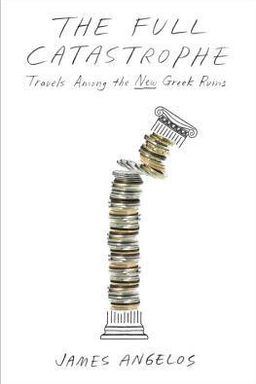
How can a modern democracy hold its dignity when its economy and decisions are dictated from abroad? This book immerses you in Greece’s decade of crisis to answer that question. Through vivid reportage—from Independence Day parades that echo anti‑creditor sermons to island pension scandals—it shows how economics, politics, and memory intertwine. It argues that Greece’s crisis cannot be reduced to faulty budgets or lazy stereotypes; it’s the product of two reinforcing forces: a long‑entrenched system of patronage and corruption at home, and an external bailout regime that turned sovereignty into conditional performance. The tension between those forces shaped every sphere of Greek life from 2010 through the mid‑2010s.
Crisis as both economic and existential
When the IMF, European Central Bank, and European Commission—the so‑called Troika—arrived, Greece had already amassed unsustainable debts and misleading statistics. Their rescue loans, eventually totaling around €245 billion, came with hundreds of pages of conditions: tax increases, pension reductions, and structural reforms down to obscure items like milk shelf life. The economy contracted by a quarter, unemployment peaked near 28 percent, and debt ratios worsened despite cuts. As factories and shops closed, lines formed at food banks, people heated homes with scavenged wood, and a proud people felt humiliated by bureaucrats checking quarterly homework. The IMF even confessed later to having underestimated the austerity’s damage.
Politics in flux and identity under siege
PASOK and New Democracy, the twin pillars of post‑1974 politics, collapsed under the weight of public rage. On one side rose Syriza, promising to end the bailouts and restore dignity; on the other came Golden Dawn, a neo‑fascist movement exploiting anger over immigration and crime. Both drew on the same moral reservoir: resentment against elites and foreign domination. Religious and nationalist symbols re‑emerged with force, framing financial submission as a new occupation. Independence parades, sermons, and speeches invoked heroes of resistance, revealing how deeply economics and identity fused in public life.
The deeper roots of dysfunction
Yet the author insists Greece’s problem was also internal. Tax evasion, clientelism, and bureaucratic opacity hollowed civic trust. The crisis exposed decades of collusion between political elites and professional guilds. Public jobs had been exchanged for votes; hospitals relied on fakelaki—cash envelopes slipped under the table—to guarantee service. Local scandals like Zakynthos’ wave of fraudulent blindness pensions or Hydra’s revolt against tax inspectors illustrated how routine small corruption compounded fiscal collapse. You see that economic morality isn’t only a matter of numbers but of cultural expectations born of distrust in the state.
Memory, humiliation, and the search for accountability
The humiliation of financial tutelage revived old memories of foreign occupation. Manolis Glezos—the partisan who tore down the Nazi flag—became the conscience of this era, demanding reparations from Germany for World War II damage. His activism flipped the creditor–debtor narrative: perhaps Greece was still owed, not merely owing. These symbolic gestures, echoed by Syriza’s early rhetoric, turned historical grievance into political leverage, showing how nations use memory to reassert agency when economics strip it away.
Towards a broader European lesson
The book ultimately reveals Greece as a mirror for Europe itself. Eurozone rules left nations sharing a currency but not fiscal solidarity. Ordinary Greeks felt trapped between a punitive Europe and corrupt domestic elites. Through courtroom dramas, marches, and backroom negotiations, you watch a whole society confront what sovereignty really means. The author’s central claim is that Greece’s ordeal is not just a local tragedy but a test case for modern democracy in a globalized age: can a people remain self‑governing when markets and treaties limit every choice? The answer, you sense, is nuanced but sobering—yes, dignity can be defended, but only when reform and solidarity go hand in hand.