
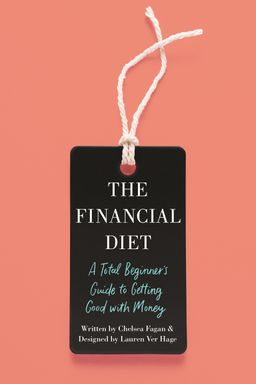
The Financial Diet cover

The Financial Diet

by Chelsea Fagan and Lauren Ver Hage

The Financial Diet is an essential guide for anyone starting their journey to financial literacy. It offers practical advice on budgeting, saving, investing, and making smart financial decisions. Learn how to manage money effectively and secure a prosperous future.

Building a Financial Life You Actually Like

What if getting good with money wasn’t about cutting out coffee or obsessing over spreadsheets—but about building a life you actually enjoy? In The Financial Diet, Chelsea Fagan argues that true financial health isn’t a dry exercise in budgets and numbers; it’s a lifestyle transformation that touches every corner of your life—from how you cook and decorate your apartment to how you invest, build your career, and choose the people you spend time with. As Fagan puts it, “saving money isn’t about depriving yourself—it’s about deciding you love Future You as much as Today You.”

She contends that taking control of your finances comes down to small, practical steps and a willingness to care about money even when it feels intimidating or boring. You don’t need a finance degree or an iron will—you just need curiosity, honesty, and a plan. The book’s message is deliberately conversational and approachable, pushing back against the jargon-heavy, judgmental tone of traditional personal finance advice. Instead of becoming obsessed with wealth, Fagan helps you focus on designing a thoughtful, balanced life.

From Screwing Up to Starting Over

Fagan begins with her own story: a financially reckless teenager who maxed out a credit card at eighteen and ended up defaulting before college. When she later created a Tumblr blog to track her spending—born out of frustration and embarrassment—it evolved into “The Financial Diet,” an empowering community that helps thousands of readers take ownership of their money. The blog grew into a full platform led by Chelsea and her creative partner Lauren Ver Hage, emphasizing that personal finance should feel like a conversation, not a lecture.

This personal confession sets the tone: getting good with money isn’t a moral achievement—it’s an act of self-love. She’s honest about failure, recognizing that most people hit financial roadblocks because they were never taught how money works. The transition from shame to self-discovery is central: you don’t become “financially competent” overnight; you simply begin with small actions that accumulate over time.

The Holistic Approach: Money as Culture, Career, and Creativity

Fagan views money as inseparable from lifestyle. A healthy financial life means learning how to shop for groceries, how to cook instead of ordering takeout, how to decorate without debt, and how to navigate relationships without financial dependency. Rather than treating finance as an isolated concept, she connects it to emotional intelligence, friendship, self-care, and independence. (In this sense, her work echoes Vicki Robin’s Your Money or Your Life but adds more humor and pop-culture realism.)

She argues that knowledge and community matter as much as numbers. You’re encouraged to talk openly about money—compare incomes, discuss student debt, ask dumb questions—and reject shame around not knowing. As Fagan learned when she broke the taboo at brunches with friends, once people realize that everyone is confused about 401(k)s and savings, the whole conversation opens up. The first act of maturity is simply “giving a shit.”

Practical Steps Toward Financial Sanity

The book distills its philosophy into a concrete year-long plan for “getting good with money.” You start by creating a budget to know exactly where your money goes. Then you build an emergency fund of at least three months’ living expenses. You study your credit score and automate bills and savings transfers. You add retirement accounts, side hustles, and celebrations for hitting milestones. These nine steps form a pragmatic formula that transforms chaos into clarity.

From there, Fagan cracks open bigger topics—investing, career building, and lifestyle. Chapter by chapter, she treats financial competence as a full-bodied skill set: learning to negotiate salary, cook affordable meals, fix things around the house, and talk about money in relationships. Money becomes less about restriction and more about empowerment—the permission to live intentionally and confidently.

Why Caring About Money Matters

The book’s overarching message is that you can’t separate money from meaning. Being “good with money” means being proactive with your life—making choices about your future instead of reacting to crises. Fagan’s tone is often wry and self-deprecating but grounded in empathy. She doesn’t shame readers for ignorance or indulgence; instead, she shows how every mistake can become wisdom. You don’t have to renounce pleasure or spontaneity—you just have to make sure it fits your plans instead of derailing them.

And beyond the spreadsheets, The Financial Diet reminds you of something simple but profound: money is emotional. It carries your identity, upbringing, and values. Investing wisely or saving consistently isn’t just technical—it’s an act of self-definition. As Fagan writes, “Giving a shit about money doesn’t seem fun, but ultimately it’s the most liberating thing you can do with your otherwise chaotic young adult life.”

The rest of the book expands this liberation into every element of adulthood—how to run your finances, career, home, diet, and relationships with clarity and intention. Each chapter becomes a tutorial in living well without going broke, united by the belief that financial confidence creates emotional freedom. If “follow your dreams” is bad advice, “build your life with purpose” is the better alternative—and Fagan shows you how to start, step by step.


Budgeting Without Punishment

Fagan begins with what she calls the foundation of adult financial life: a budget. But unlike traditional personal finance guides that treat budgeting as a grim moral exercise, she reframes it as an act of empowerment. A budget isn’t about deprivation—it’s “champagne with a glass,” a structure that lets you enjoy money thoughtfully. The chapter reconstructs how budgeting works for real human beings with emotions, irregular incomes, and busy lives.

Facing Your Numbers

Fagan admits that she used to avoid looking at her account balance altogether. Many people operate with “financial blindness,” assuming that as long as transactions don’t get declined, everything must be fine. She compares ignoring your budget to refusing to look at the nutrition facts after binge eating—it doesn’t make reality disappear. Her turning point came from using tools like Mint and Excel spreadsheets to track every expense, discovering she spent thousands on eating out and random shopping.

From here, she introduces her humorous but effective system: a series of “Don’t You Fucking Dares”—rules that prevent financial backsliding. They include not spending what you can’t pay back within a month, checking your balance twice a week, and refusing to believe that savings will “happen magically.” These rules act like guardrails that make discipline automatic. Eventually, budgeting stops being scary because it turns into habit.

Designing the Right System

Fagan shares her partner Lauren Ver Hage’s Bank Account Pyramid—a visual strategy dividing your financial life into four tiers: checking, emergency savings, semiliquid accounts (like CDs), and long-term investments. This pyramid ensures each dollar has a purpose and moves upward toward growth. She also introduces the 50/30/20 rule: half of your income goes to fixed costs, 30% to lifestyle spending, and 20% to savings. It’s flexible enough to fit freelancers, career starters, or anyone facing debt.

The chapter showcases expert perspectives too. Cait Flanders recommends pausing before purchases and budgeting for the minimal lifestyle first, saving everything extra. J. Money champions tracking net worth monthly to see progress. Bridget Casey emphasizes automating bills and allocating budget for fun, reminding readers that joy is part of financial health. By mixing data and emotion, Fagan turns a sterile spreadsheet into a snapshot of your values.

Budget as Self-Care

The lesson is clear: a budget isn’t punishment—it’s self-care. It eliminates anxiety by giving you visibility, replaces guilt with control, and transforms survival into planning. Fagan advises printing or displaying your budget where you can see it daily, turning it into part of your decor—because transparency breeds accountability. And when you hit financial milestones, treat yourself responsibly: celebrate with an experience that reminds you why budgeting matters.

Ultimately, budgeting the TFD way means designing a graceful life within your means. It’s about aligning behavior with goals, maintaining beauty and fun, and forging financial resilience without letting austerity dominate. As Fagan concludes, “Nothing feels more badass than having that control.”


Investing Made Human

Investing is often the most intimidating word in finance. Fagan tackles it head-on in her chapter on becoming your money’s “asshole boss.” She invites readers—especially women—to stop treating investing like gambling or rocket science. If poker nights were about winning chips, real investing is about building stability. The goal isn’t quick profit—it’s patience and autonomy.

Start Where You Are

The “Total Idiot’s Guide to Investing” simplifies what might seem complex: first, save an emergency fund; second, pay down high-interest debt; third, open a retirement account (ideally with employer matching); and finally, explore low-risk options like index or mutual funds. Individual stocks, she reminds, come last—not because they’re glamorous but because they’re risky. This hierarchy turns investing into a steady ladder instead of a roller coaster.

Master the Vocabulary

Fagan collaborates with experts like Kristen Robinson of Fidelity, who demystifies IRAs, Roth IRAs, and SEP plans for self-employed readers. Robinson explains that each account type comes with its own tax advantages and contribution limits—but the universal rule is: take free money when offered. If your employer matches your 401(k), it’s deliberate generosity—don’t leave it on the table. Beyond workplace plans, Robinson highlights catch-up contributions and spousal IRAs, making early investing inclusive.

Fagan also introduces Jane Hwangbo’s “Money School” philosophy: investing must serve human goals. Jane’s “Ten Investing Rules for Women” redefine success—not as amassing wealth but attaining independence and purpose. Her key ideas? Money is a tool, not an identity; build emergency savings; learn accounting basics; and develop passive-income streams that fund your freedom. Above all, be patient: investing rewards long-term thinkers who resist panic and trend-chasing.

Making Numbers Emotional

The heart of the chapter lies in emotional fluency. Fagan insists that women reclaim financial vocabulary just like learning a new language—you start awkward, but fluency multiplies power. She introduces the Rule of 72, a simple math hack to estimate how long your money will double based on interest rate. The message: compound growth isn’t magic—it's discipline multiplied by time.

In making investing human, Fagan reframes risk as confidence. You don’t have to outsmart Wall Street; you only have to outlast your own fear. Investing, she reminds you, is simply betting on Future You—with real odds in your favor.


Owning Your Career Like a CEO

Your job isn’t just what pays the bills—it’s the cornerstone of your financial growth. In the chapter “How to Be the CEO of Your Life,” Fagan shifts the conversation from surviving work to mastering it. She calls this professional maturity: treating yourself as your own executive, responsible for performance, happiness, and long-term strategy.

From Fired to Focused

Fagan humorously recounts being fired from a dozen jobs before learning to respect herself as a professional. She discovered that freedom starts with discipline: valuing your time, organizing priorities, and learning to say no. Once she built TFD, the chaos of freelancing gave way to clarity—she learned to measure wealth not in money but in freedom. The first question every professional should ask: how much is my hour worth?

Strategies from the Experts

Business journalist Joanne Cleaver—a mentor to Fagan—introduces a powerful network-based strategy: success isn’t about “climbing a ladder” but navigating a career lattice. Cleaver’s six principles include volunteering strategically, working alongside influencers, practicing professional empathy, and helping your boss look good. She adds a yearly Career Checkup tool: seven questions to assess your growth, connections, and skills.

Meanwhile, writer Stephanie Georgopulos demonstrates the art of the side hustle. Her progression from salon worker to media professional relied on multiple small gigs—freelance writing, social media, Craigslist projects—until she achieved full-time creative stability. Her mantra: challenge the sunk-cost fallacy. If your side project stops being fun or lucrative, walk away. A side hustle isn’t just income—it’s insurance.

Getting Paid What You Deserve

Fagan equips readers with a negotiation playbook: research industry salaries, compare on sites like Glassdoor, never fear to ask for what you deserve, and recognize that confidence means competence. Negotiation isn’t greed—it’s self-respect. Start high; show evidence of impact; and remember that loyalty shouldn’t mean underpayment. She emphasizes continuous education—workshops, classes, and networking—as the most reliable long-term investment.

By redefining “career success” around autonomy and growth, Fagan rejects burnout culture. You don’t have to hustle to death—you have to build a life that makes work one part of a well-balanced portfolio of happiness.


Mastering Everyday Money Through Food

Few things drain your budget faster than daily takeout—and few bring more joy than learning to cook well. Fagan’s “How to Be Your Own Italian Grandmother” transforms kitchen competence into financial wisdom. Cooking, she argues, is the invisible cornerstone of security and independence.

The Italian Grandma Mindset

Her mother and grandmother’s frugal cooking traditions become metaphors for smart living: simple, nourishing meals; minimal waste; and joyful practicality. “Meat is the treat,” her mother used to say. Fagan turns these lessons into the Ten Commandments of Italian Grandmotherhood—including never wasting groceries, cooking in bulk, freezing S-foods (soups, stews, sauces), and knowing ten quick recipes by heart. These habits make home cooking automatic and inexpensive.

Tools and Ingredients as Investments

Fagan’s mom, Fuller Hunt, lists essential kitchen tools—from butcher knives to thermometers—that make cooking possible in any apartment. Her rule: buy fewer, higher-quality tools instead of big cheap sets. Cooking well isn’t about Instagram perfection; it’s about using what you have efficiently. Once your kitchen is functional, stock it with affordable staples—oils, spices, bouillon, grains, and frozen vegetables—and cultivate creativity in substitutions.

Recipes throughout the book, from ten-minute Thai basil chicken to Mamie’s roast garlic chicken, are both financial strategies and confidence builders. They prove that homemade food can be faster than delivery if you plan. By learning to cook, you save hundreds monthly and gain emotional satisfaction—plus, you stop outsourcing your nourishment to corporations.

Cooking as Financial Freedom

Home cooking isn’t domestic drudgery—it’s self-determination. Just as budgeting teaches control over numbers, cooking teaches control over time and space. You feed Future You literal meals instead of debt. Fagan’s witty comparison—“feed yourself like you were a welcome guest in your own home, not an ex you were trying to get rid of”—captures the emotional warmth of this philosophy.

Ultimately, mastering food means mastering life: resourcefulness replaces dependence, creativity replaces consumption, and every meal becomes an act of self-respect.


Creating a Home That Pays You Back

Home isn’t just where you live—it’s your biggest financial decision. Fagan’s chapter “How to Feel Good in the Place You Live” redefines housing as both a source of stability and a reflection of who you are. She urges readers to stop renting passively and start treating their space like an investment in their future self.

Renting Smart, Buying Smarter

From a chaotic first apartment with Tiffany-blue walls and bro roommates, Fagan learned that decor and privacy shape confidence. She teaches renters to protect themselves legally: always get your name on the lease, document conditions with photos, negotiate broker fees, and research units thoroughly. The downloadable checklist “Should I Rent It?” converts emotion-driven decisions into logical assessments—what’s rent-to-income ratio, are utilities included, and can you break the lease safely?

Transitioning to home ownership, she partners with Erica Sinchak of The Federal Savings Bank to decode mortgages. Sinchak explains that readiness depends on three factors: stable income, disciplined savings (minimum 3.5% down), and good credit. The chapter’s advice—shop multiple lenders, avoid teaser rates, and factor in upkeep costs (roughly 2.5–3% of home value annually)—turns buying from fantasy into math.

DIY Independence

For day-to-day living, Fagan’s mother Fuller returns with a list of must-have tools: hammer, cordless drill, pliers, tape measure, and miter box. Basic home repairs—tightening pipes, changing switches, fixing drywall—save money and teach confidence. Designer Carrie Waller contributes Ten Rules for Budget Decor: shop thrift stores, stick to color palettes, DIY art, and trade decor with friends. The message: make things beautiful slowly instead of buying status.

In treating home care as financial stewardship, Fagan builds a more intimate definition of luxury. The goal is not perfection—it’s pride. A home you repair yourself becomes symbolic of financial adulthood.

Home ownership, like other investments, demands patience, savings, and learning—but Fagan reminds us that the true return isn’t a profit margin; it’s comfort, gratitude, and agency.


Money and Love: Talk About It or Pay for It

Money problems destroy relationships faster than passion ever can. Fagan’s chapter “How to Be a Miranda, Not a Carrie” uses Sex and the City as both humor and metaphor. She argues that Carrie Bradshaw’s fantasy lifestyle—designer shoes, no savings, dependent on men—is the cautionary tale; Miranda Hobbes, the pragmatic lawyer, is the model of financial maturity.

Money Type Meets Relationship Type

Fagan profiles couples and friends who hide financial stress because talking about money feels too vulnerable. She consults therapist Olivia Mellan of Money Harmony, who categorizes people as Spenders, Hoarders, Worriers, and Avoiders. Opposites often attract—then clash. Mellan’s “Mellan’s Law” says if opposites don’t start polarized, they’ll create polarization later. The cure is empathy and mirroring: listen, validate, and communicate feelings before facts.

Mellan’s golden rule repeats thrice for emphasis: “All women need some separate money.” Sharing financial intimacy doesn’t mean surrendering independence. A private account or “freedom fund” symbolizes individuality in relationships where boundaries blur.

Friendship and Financial Honesty

Fagan extends Mellan’s lessons to friendships, drawing on writer Ashley Ford’s experiences moving from poverty to success. Ford’s advice: “Don’t make it weird—talk about it.” When rich and poor friends acknowledge income differences, guilt and resentment fade. Silence breeds awkwardness; conversations build trust. Transparency about who pays or how much each earns turns potential tension into mutual understanding.

This chapter also addresses gendered financial dynamics. While pop culture tells women to chase romance, Fagan reframes autonomy as the real love story. Romantic and platonic bonds thrive when both parties can discuss, plan, and respect money equally. Financial harmony equals emotional harmony.

Money talk doesn’t kill intimacy—it creates it. The hidden cost of silence is resentment. As Fagan concludes, “It’s not vulgar to talk about money with the people you love—it’s idiotic not to.”


Dream Medium: Redefining Happiness and Success

In her final chapter “How to Build (and Pay for) Your Happiness,” Fagan dismantles the toxic myth of “follow your dreams.” Empty inspiration, she says, breeds guilt and burnout. True happiness—financial and emotional—comes from dreaming medium: scaling ambitions into achievable steps within real-world limits.

Against Passion Culture

Quoting Miya Tokumitsu’s Do What You Love, Fagan critiques how capitalism exploits passion. We glorify overwork as virtue, equating success with exhaustion. But dreams require resources: time, income, and safety nets. You can’t “leap and the net will appear” if you have rent due. Financial preparation creates freedom to take risks responsibly.

The Starter Kit for Happiness

Fagan outlines a fifteen-step blueprint—from defining your ideal daily life to breaking big dreams into mini-goals. Plan risks a year ahead, keep side gigs for flexibility, update budgets monthly, and diversify sources of joy beyond work. Her Rule of Four insists you should have at least four fulfilling things outside your job: hobbies, friends, health, and growth. The secret to happiness is diversification, not obsession.

Examples make this real: YouTuber Hank Green discusses dreaming medium through trial and error, starting small projects, and living modestly while experimenting. He turned a grad-school blog into a multimillion-dollar media company by prioritizing sustainability over glamour. His lesson: don’t marry one idea—keep learning, abandon dead paths, and accept that fulfillment looks quieter over time.

Maturity and Money

Fagan likens financial growth to long-term relationships: the thrill fades, stability remains. You trade chaotic highs for steady contentment. Dreaming medium means realizing that ordinary goals—home, family, creative time—are not failures; they’re triumphs of intention. You can still be ambitious while maintaining balance.

In redefining success, Fagan closes her book with empowerment: money isn’t the dream—it’s the Lego kit for building dreams. Happiness isn’t bought but assembled, piece by piece, through mindful decisions. The Financial Diet, in the end, isn’t a diet of restriction—it’s a feast of thoughtful living.

Dig Deeper

Get personalized prompts to apply these lessons to your life and deepen your understanding.

Go Deeper

Get the Full Experience

Download Insight Books for AI-powered reflections, quizzes, and more.