
Idea 1
The Fifth Trimester: Redefining Return to Work
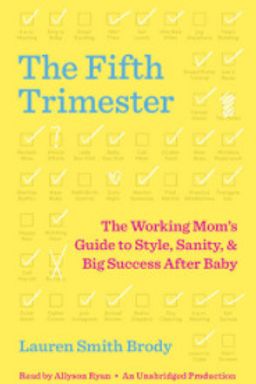
When you return to work after maternity leave, you enter what Lauren Smith Brody calls the Fifth Trimester: a transitional stretch that merges infancy, emotional recovery, and professional expectations. Brody defines this not as a crisis but as a developmental stage—finite yet transformative—deserving its own vocabulary, rituals, and supports. It bridges the nurturing intensity of the fourth trimester with the performance demands of modern workplaces.
What makes the Fifth Trimester unique
Physically, your body still heals; emotionally, identity is shifting; and socially, your job expects full productivity even when your baby—and you—are not yet stabilized. Brody’s survey of more than seven hundred mothers shows most return well before the six-month mark when emotional equilibrium typically emerges. This mismatch between policy and biology is the pressure point the book seeks to address. (Note: Brody’s framing echoes Arlie Hochschild’s The Second Shift but updates it for corporate and cultural realities of the 21st century.)
A project management mindset
Brody urges you to treat the Fifth Trimester as you would any major project at work: define milestones, negotiate supports, and evaluate progress. You’re not failing—you’re navigating a high‑stakes transition. Concrete tools help: phased returns, pumping spaces, flexible schedules, and childcare overlap. Data from Brody’s research gives you leverage—most mothers need roughly six months to feel emotionally normal, so viewing this as a planned ramp‑up period yields far better sustainable outcomes.
Culture and policy matter
The global comparison is stark. European countries average months of paid leave; in the U.S., most get twelve weeks unpaid, if eligible at all. That policy gap filters directly into how supported (or exposed) new mothers feel at the workplace. Brody offers case studies—Vodafone’s global paid leave, Virgin’s shared parental policy, California’s paid family leave—to illustrate how companies can choose differently and, in doing so, actually retain talent rather than lose it. Your own workplace can use these precedents as negotiation anchors when you advocate for incremental change.
Emotional normalization and identity shifts
Brody’s empathy runs deep: even with privilege and preparation, return to work felt disorienting. You lose the illusion that career and motherhood fit perfectly; instead, you learn to integrate them consciously. Key emotional milestone data—smiling babies at two months, stabilized sleep at seven months, and maternal mental recovery near six months—reminds you why compassion and planning are not luxuries but necessities. The author suggests naming this period openly: telling a manager “I’m in my Fifth Trimester” reframes vulnerability as realism.
Core insight
The Fifth Trimester is not an aftermath—it’s a developmental phase that blends biology, social expectation, and professional identity. Treat it as temporary but worthy of structure, advocacy, and grace.
In sum, Brody’s central argument redefines success: coming through this stage with both career and sanity intact demands planning, self‑compassion, and a workplace evolution toward empathy. By naming the Fifth Trimester, she gives working parents—and their employers—a new shared language for growth, not endurance.