
Idea 1
Rethinking Challenging Behavior: Kids Do Well If They Can
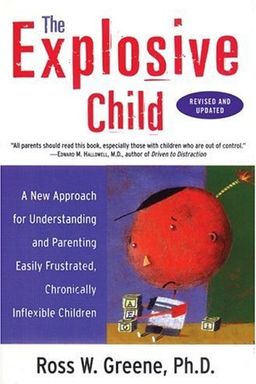
Why do some children seem to explode while others adapt calmly to daily challenges? Is it a matter of attitude, discipline, or something deeper? In The Explosive Child, Dr. Ross Greene turns traditional parenting wisdom upside down. For decades, parents were told that defiant kids simply refused to behave, demanding stricter discipline or more consistent consequences. Greene argues the opposite: behaviorally challenging children aren't acting out because they want to—they’re doing poorly because they lack the skills to do well.
Greene’s central idea—kids do well if they can—is both compassionate and practical. It redefines explosiveness not as defiance but as a reflection of developmental delays in crucial skills such as flexibility, frustration tolerance, and problem solving. When these skills lag, seemingly minor situations—like a sibling touching a toy or a change in schedule—become overwhelming triggers. The book’s premise is that by shifting our mindset from motivation to skill-building, we not only change how we see our child but also how we respond.
Understanding Frustration through Lagging Skills
Greene carefully dismantles the myth that explosive behavior stems from manipulation, laziness, or attention-seeking. These children aren’t choosing chaos; they’re stuck when demands exceed their capacity to respond adaptively. Like a child who struggles with reading doesn’t “refuse” to read, an explosive child isn’t refusing to behave—they lack the tools to manage shifts, ambiguity, and failure.
Through detailed case studies, Greene shows this gap in skills across different domains. Jennifer, an eleven-year-old who melts down over waffles or bedtime routines, can’t easily make transitions or tolerate frustration. Frankie, whose anger leads to suspensions, struggles with language-based problem solving and emotional regulation. These lagging skills make life harder for both child and family, creating a cycle of misunderstanding and punishment that worsens the problem.
Why Traditional Discipline Falls Short
Punishments and rewards—the typical tools of parenting—don’t build missing capacities. Greene argues that if consequences were enough, they would have worked long ago. Stickers, time-outs, and scoldings only teach compliance, not collaboration or emotional balance. Worse, they often raise the child’s frustration level, triggering even more explosive behavior. In contrast, a collaborative approach builds understanding and helps kids learn new cognitive and social skills over time.
The book’s emphasis on empathy marks its departure from behaviorist theories like B.F. Skinner’s reinforcement model (which focuses on external consequences). Instead, Greene aligns more closely with developmental psychologists such as Lev Vygotsky and Carol Dweck, emphasizing learning through guided collaboration rather than coercion. The explosive episodes themselves are diagnostic moments—windows into unmet needs and missing abilities.
Collaborative Problem Solving: A New Lens
At the heart of Greene’s approach is Collaborative and Proactive Solutions (CPS). This model teaches adults to identify lagging skills and unsolved problems and then solve them with the child’s input, not against it. When demands are predictable, as Greene insists they often are, parents can proactively address the underlying issues through calm dialogue and mutual respect.
The CPS approach is built around three deliberate “Plans” for how adults respond to unsolved problems. Plan A is the conventional route—imposing adult will, leading to defiance and meltdowns. Plan B is collaborative problem solving, the long-term solution that fosters empathy and skill growth. Plan C temporarily sets lower priorities aside to reduce conflict. The magic lies in Plan B’s three steps: Empathy, Define the Problem, and Invitation—an interaction that replaces punishment with understanding.
The Human Side of Explosiveness
Greene’s narrative weaves real stories that capture both desperation and hope. Debbie and her husband Kevin, overwhelmed by their daughter Jennifer’s tantrums, move from power struggles to partnership. Sandra, who once feared her violent son Frankie, learns that connection—not coercion—is the turning point. The author makes clear that change doesn’t come from quick fixes; it’s incremental, requiring patience and practice. Progress begins when adults see these children not as defiant but as frustrated learners.
Why This Book Matters
Greene’s insight offers an alternative to the crisis-driven parenting culture. The book’s implications reach beyond home life—it’s been adopted in schools, juvenile facilities, and hospitals worldwide. Research validating the CPS model shows measurable improvements in social competence and emotional regulation. But even without data, Greene’s philosophy resonates at a human level: children want to do well but need guidance tailored to their deficits rather than blanket discipline.
Greene’s central truth
“Kids do well if they can.” Not if they want to, not if they’re scared of consequences—but if they can. The adult’s task is to recognize what’s keeping them from doing well and to help them acquire those skills, patiently and collaboratively.
Reading The Explosive Child feels less like parenting advice and more like an invitation to empathy. Greene helps you see that understanding comes before control, compassion precedes compliance, and collaboration—not punishment—is what ultimately helps every child “do well.”