
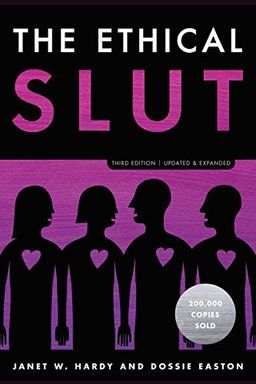
Idea 1
Redefining Sex, Love, and Freedom
Have you ever caught yourself feeling guilty for wanting more than what society tells you is acceptable — more partners, more pleasure, more freedom? The human desire for connection and sexual expression often clashes with cultural expectations that prize monogamy, restraint, and moral modesty. In this provocative work, the author dismantles the myths that keep us bound to these traditional scripts, and instead invites readers to embrace a sex-positive, abundant approach to love and pleasure.
At its core, the book argues that sexual liberation begins by letting go of ingrained, conservative beliefs about love and fidelity. We’ve been taught that real love is romantic, that monogamy is natural, and that sex outside of an exclusive relationship diminishes intimacy. The author contends that none of these ideas are universal truths — they are cultural constructs that restrict human potential for connection and joy. To unlearn them is to rediscover what it really means to love freely.
Breaking Cultural Myths
The book begins by confronting the myths that dominate Western thinking about relationships. For example, it challenges the notion that long-term monogamy is the most authentic way to love, pointing out that many other primates — and much of human history — didn’t follow this pattern. It also reminds us that romantic love, though beautiful, is only one facet of the emotional spectrum that binds people together. Platonic, sexual, and communal loves are equally real and sustaining.
And what about jealousy? We’re told it’s inevitable in nonmonogamous relationships, yet the author argues that while jealousy is natural, it’s manageable. Like anger or disappointment, it can be acknowledged, expressed, and released without dictating behavior. The key is to process it productively rather than suppress or weaponize it.
Building a Framework for Free Love
After dismantling myths, the author introduces a new framework grounded in openness, self-awareness, and abundance. Sex, they argue, is not merely a means to fortify love or commitment — it can be an end in itself, a celebration of joy and connection. Importantly, this pleasure-oriented philosophy doesn’t depend on others for validation. You are sexually whole on your own (“You are enough” is a recurring mantra).
This perspective flips scarcity thinking — the idea that love and intimacy are limited resources — into a worldview of abundance. The more love and pleasure you give, the more your capacity for both expands. Sex and affection don’t have to be rationed between people; they can be multiplied through openness and trust.
Navigating Real-World Challenges
While the lifestyle of free love is fulfilling, it also comes with challenges. Jealousy, assumptions, and the logistics of communication can all strain relationships. To navigate these waters, the author emphasizes the importance of explicit agreements over unspoken expectations. Whether it’s setting boundaries about who to date, where to go, or how much to share, clarity lets everyone feel safe and respected.
The book provides tools to manage jealousy, such as journaling emotions, talking with trusted friends, or creating rituals like a “jelly moment” — a dedicated space to express jealousy without blame or demands. It also outlines exercises for couples transitioning from monogamy to openness, such as drafting “Yes, No, Maybe” lists to explore comfort zones gradually.
Reclaiming Pleasure as a Practice
The final section celebrates pleasure as a central life practice. It encourages readers to explore self-pleasure through masturbation — not as a fallback, but as sacred self-discovery. Knowing what arouses you, what conditions you need to relax, and how you prefer touch allows for greater sexual agency. This part of the book widens the lens from personal to communal pleasure, guiding readers on navigating sex parties, consent culture, and sexual etiquette.
Ultimately, the author invites you to design a life of exploration, joy, and authenticity. Sluthood is reframed not as moral failure, but as conscious celebration — a choice to live honestly, love expansively, and connect without fear.
The takeaway: When you dismantle restrictive myths and embrace abundance, your capacity for love, connection, and joy multiplies. This isn’t about chaos — it’s about clarity, consent, and confidence in your own desires.
Throughout the book, the message is plain but profound: your sexual life belongs to you. And in learning how to explore it with integrity, courage, and curiosity, you rediscover the simple truth that pleasure and freedom are your birthrights.