
Idea 1
Flavor and the Broken Link Between Taste and Nutrition
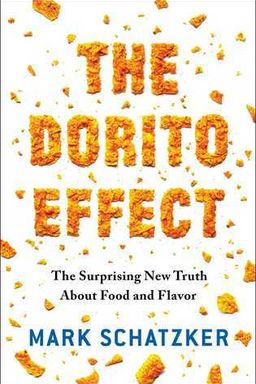
Why do you crave foods that leave you both full and strangely unsatisfied? In The Dorito Effect, Mark Schatzker argues that modern food science has broken an ancient biological link: the connection between how something tastes and what it delivers nutritionally. Flavor, once an honest guide to nourishment, has become detached—a manufactured illusion that triggers desire without satisfaction. This change, Schatzker contends, lies at the center of obesity, chronic overeating, and our confusion about what food should be.
The book unfolds in four intertwined stories: agriculture stripped natural flavor from food through yield optimization; chemistry replaced lost flavor with synthetic imitations; neuroscience revealed how these cues hijack motivational circuits; and biology showed how restoring real flavor reconnects appetite with authentic satiety. Taken together, Schatzker’s argument isn’t simply that we eat too much junk—it’s that junk food hacks a sensory system designed to lead us toward nutritional balance.
The agricultural and chemical split
Agricultural advances since the mid‑20th century produced bigger yields of corn, tomatoes, poultry, and milk—but often weaker taste. Scientists like Donald Davis and Harry Klee have documented nutrient declines and flavor gene losses in modern crops. Simultaneously, chemists such as Wilhelm Haarmann synthesized aroma molecules (vanillin from pine) and used gas chromatography to map thousands more. Industrial food companies realized they could spray convincing flavor onto bland substrates, giving corn chips the taste of tacos and vitamins the illusion of orange juice. The Dorito became a cultural turning point—a fried triangle that tasted like a meal but wasn’t one.
Behavioral engineering through flavor
Once flavor detached from substance, industry discovered how to manage behavior through palatants and sensory cues. Sucram sweetened feed to make pigs eat more; MSG and kokumi compounds made soups and snacks feel richer. These signals lit up reward circuits even when nutritional content remained poor. In neuroscience terms, food now creates massive 'wanting' without increased 'liking'—an incentive salience effect similar to addictive drugs. Schatzker illustrates this gap when he devours Doritos at a party, fried chicken in Memphis, or a Big Mac meal on a road trip: each produces a short-lived pleasure followed by emptiness, a cycle that mirrors addiction studies from Paul Kenny and fMRI scans of milkshake craving at Yale.
Nature’s wisdom and what animals know
Fred Provenza’s research on goats and sheep provides the biological counterpoint. Animals learn through flavor which foods meet their needs—choosing tannin‑rich leaves when parasitized or phosphorus-linked feeds when deficient. Flavor operates as a learned label for nutritional feedback. Humans have that same architecture, but synthetic flavoring scrambles it. When the cues of flavor no longer correspond to nutritional benefit, we lose instinctive guidance and become susceptible to artificial signals designed to sell volume rather than health.
Rediscovering real flavor
Schatzker’s prescription is deceptively simple: restore flavor to food itself. He shows how older chickens, heritage breeds, and heirloom produce can reconcile pleasure and nutrition. For example, pasture‑raised barred rock chickens with deep yellow fat provide immense satisfaction in small portions. The same holds for Harry Klee’s Garden Gem tomato—a cross that combines heirloom taste with commercial yield—and for pungent olive oil rich in oleocanthal, which signals anti‑inflammatory potency. Real flavor acts not only as pleasure but also as a physiological metric of completeness, allowing satiety rather than craving to govern eating behavior.
The hopeful revolution
The book ultimately argues for a flavor revolution grounded in biology, agriculture, and taste. Breeders like Klee and Raskin are proving flavor can coexist with yield; chefs and consumers can demand food that rewards authenticity over illusion. Schatzker links personal satisfaction to systemic change: when you pay for real flavor, you support a food economy that values nutrient density and sensory truth.
Core idea
The Dorito Effect is not just about junk food—it’s about the corruption of a natural biological signal. Our senses evolved to lead us to nourishment; synthetic flavor now leads us astray. Restoring real flavor reconnects appetite, pleasure, and health in a way calorie-counting never could.
Understanding this broken link changes how you see every bite: flavor was meant to be honest. When it is real, it tells your body when enough is enough; when it is fake, it keeps you coming back for more.