
Idea 1
The New Rules of Direct-to-Consumer Entrepreneurship
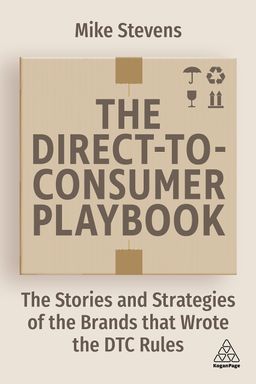
Have you ever wondered what it really takes to build a brand that connects directly with its customers—and thrives without relying on the retail giants? The Direct to Consumer Playbook by Mike Stevens addresses that exact question through a rich tapestry of founder stories and practical principles. Stevens, a UK-based entrepreneur who helped launch innocent drinks and founded Peppersmith, argues that the future of selling is personal. In his view, success in the direct-to-consumer (DTC) space is not about having the fanciest technology or biggest advertising budget—it's about mastering the fundamentals: understanding your customers deeply, creating authentic brands, and building communities that turn buyers into believers.
The book reveals the strategies behind sixteen pioneering DTC companies—ranging from graze, Huel, Snag, and Bloom & Wild to global disruptors like Casper and Sugru. It’s a tour of businesses that reinvented categories from tights to toilet paper by cutting out the middlemen and connecting more directly with people who cared. The central argument Stevens makes is simple but profound: DTC is far more than a sales channel—it’s a mindset. To succeed, founders must behave less like manufacturers chasing efficiency and more like empathetic creators devoted to customers’ happiness.
Why DTC Matters Now
Traditional retail is slow, hierarchical, and profit-driven to favor big brands. When Stevens launched Peppersmith, he realized that even outstanding products struggled to gain space on supermarket shelves because those shelves were controlled by buyers loyal to legacy brands. The digital revolution changed this imbalance of power. Suddenly, anyone could sell online and reach customers directly—but most founders didn’t yet understand how. This insight—painfully learned through trial and error—became the seed for the book. DTC, Stevens insists, democratises entrepreneurship. It enables small, agile teams to test, learn, and connect faster than the old corporate titans ever could. But it’s no longer enough to simply build a webshop; today, genuine connection is the currency of success.
What You’ll Learn from DTC Pioneers
Throughout the book, Stevens distils common principles shared by successful brands. You’ll learn, for instance, how graze.com used customer data to fine-tune its snack boxes, operating as both a factory and a feedback loop. You’ll meet Huel founder Julian Hearn, who transformed his failed fitness app (Bodyhack) into a £100 million-nutrition powerhouse by understanding one simple truth: people crave convenience and good health, not clever marketing. From Snag tights, you’ll see how data-savvy founder Brie Read solved a problem hiding in plain sight—ill-fitting hosiery—and built a customer base that literally saved her business during a pandemic. Then, in Bloom & Wild, you’ll find how Aron Gelbard reinvented flowers through your letterbox by measuring satisfaction through the NPS (Net Promoter Score) and pioneering “thoughtful marketing” that respected customers’ emotions.
The Emotional Engine Behind Great Brands
Stevens draws a recurring conclusion from these cases: what separates the great from the good is emotional intelligence. The best founders—people like David Hieatt of Hiut Denim or Simon Griffiths of Who Gives A Crap—built missions, not mere businesses. They used DTC to serve a higher purpose: reviving a town or funding sanitation for millions. Their commitment transformed customers into a community of advocates. DTC success, Stevens reminds you, comes not from analytics alone but from empathy, authenticity, and a clear sense of why.
Innovation, Resilience, and Learning by Doing
The book doesn’t shy away from hardship. Many entrepreneurs learned through costly mistakes—Cornestone’s founder Oliver Bridge had to reinvent his razor subscription business amid aggressive U.S. competition; Sugru’s Jane Ní Dhulchaointigh risked collapse by expanding into retail before returning to her DTC roots. Each story reinforces a theme echoed by thinkers like Eric Ries (The Lean Startup): success emerges from iterative learning, not grand plans. Stevens presents DTC as both art and discipline—a space that rewards experimentation, data fluency, humility, and obsessive care for customers.
From Playbook to Philosophy
In its final chapters, The Direct to Consumer Playbook crystallizes into a philosophy of modern brand-building. The brands profiled show how community creation, rich data use, and authentic storytelling intertwine to build loyalty. DTC is portrayed as a constantly evolving ecosystem where principles matter more than tactics. As Stevens puts it, platforms like Shopify or Facebook might change—but principles like transparency, purpose, and customer joy will never go out of style. The book becomes both an inspiration and blueprint for anyone dreaming of starting or scaling a consumer brand. It tells you not just how to sell online, but why it matters: to create products with soul, serve people directly, and build movements that outlive the algorithms.