
Idea 1
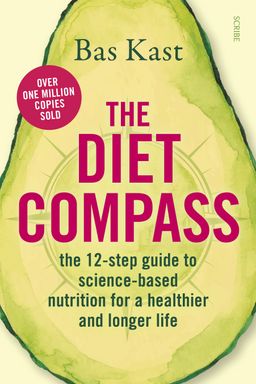
The Diet Compass: Finding Your Way to Lifelong Health
What if everything you thought you knew about healthy eating turned out to be wrong? In The Diet Compass, science journalist Bas Kast takes readers on a personal and scientific quest to answer a question that becomes pressing after his own near-heart attack: what should we actually eat to stay healthy, slim, and alive longer? Kast argues that modern nutrition advice has misled us for decades—especially the low-fat dogma—and that a data-driven, balanced approach built around nature’s real foods can transform how we age and thrive.
Kast’s central claim is that the ideal diet isn’t one-size-fits-all; instead, it’s a flexible compass guiding you toward scientifically proven principles. He blends cutting-edge research, evolutionary insight, and personal experimentation to offer a clear map: eat whole, minimally processed foods; prioritize plant-based meals; choose healthy fats; watch the type and timing of your carbs; and cultivate self-awareness over any rigid dogma. This book reframes nutrition from a war of ideologies into a common-sense, evidence-based practice for lifelong vitality.
A Crisis that Sparked the Quest
Kast’s journey begins with a frightening moment: during a run, his heart seizes painfully. Despite being a lifelong runner who could seemingly eat anything, his body rebels. Like many modern professionals, Kast survived on coffee, beer, and potato chips – confident that exercise alone masked the damage. His health scare sent him tearing through over a thousand research papers on nutrition and ageing, determined to decode what diet truly sustains the heart.
Through this exploration, he realized that the prevailing low-fat orthodoxy, promoted for decades by nutritional institutions, not only failed to prevent heart disease but coincided with skyrocketing obesity and diabetes rates. Instead of making people healthy, low-fat diets encouraged consumers to eat more processed carbs and sugar. Kast’s revelation mirrors that of writers like Gary Taubes (Why We Get Fat), who also dismantled the misconception that dietary fat is the villain.
From Fear of Fat to the Compass of Balance
The author doesn’t replace one food dogma with another. He argues that we must shift from rigid rules to guiding principles—using a “Diet Compass” that orients us toward what scientific evidence consistently supports. In Kast’s framework, certain truths stand out across decades of studies:
- Real, unprocessed foods—vegetables, fruits, whole grains, fish, nuts—are universally beneficial.
- Protein and fat, once demonized, are crucial allies in controlling appetite and supporting cellular health.
- Sugar and refined carbohydrates are the real culprits behind metabolic disease and accelerated ageing.
- How we eat—not just what—matters, from timing meals to listening to our body’s responses.
Through vivid examples—from dieting disasters to longevity research on Okinawans and centenarians—Kast shows that health is not about deprivation, but an intelligent harmony between protein, fats, and carbohydrates. His compass challenges old myths and reframes eating as both biological science and lived wisdom.
A Science of Ageing Well
Beyond weight loss, Kast’s real ambition is to identify a diet that slows the biological clock. He introduces the mTOR signaling pathway, insulin sensitivity, and inflammation as key drivers of ageing, linking food directly to cellular renewal or decline. Healthy fats—especially those in nuts, olive oil, and fish—quiet the inflammation that accelerates ageing. Excess sugar and animal protein turn growth switches permanently on, pushing the body toward disease. “You are as young as you eat,” he concludes—a concept paralleling molecular biologist Valter Longo’s research on longevity and fasting.
Why It Matters to You
If you’ve ever been confused by conflicting dietary advice—low-fat vs. low-carb, vegan vs. paleo—Kast offers not commandments but clarity. The Diet Compass isn’t about rules; it’s about results. Through science and sensible experimentation, he provides tools for you to shape a diet tailored to your metabolism, age, and lifestyle. You’ll see why full-fat yoghurt can aid weight control, how protein and exercise repair ageing cells, why fasting rejuvenates, and how timing your meals resets your biological rhythm. Kast’s work ultimately redefines health: eating isn’t about adhering to doctrines—it’s about harmony, awareness, and an evolving relationship with the body itself.