
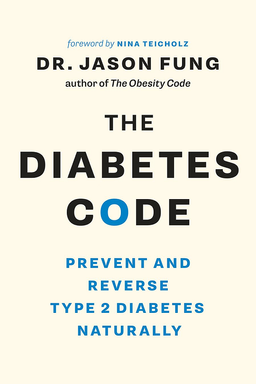
The Diabetes Code cover

The Diabetes Code

by Jason Fung

The Diabetes Code by Jason Fung reveals a groundbreaking approach to tackling the type 2 diabetes epidemic. Through a combination of intermittent fasting and strategic dietary changes, Fung presents a natural method to prevent and reverse this common disorder. Backed by scientific research, the book offers readers practical tools to transform their health without relying on conventional treatments.

Reversing Diabetes by Understanding Insulin and Sugar

What if type 2 diabetes wasn’t the life sentence you’ve been told it is? What if it was reversible—naturally, safely, and without medication? In The Diabetes Code, Dr. Jason Fung delivers this radical yet evidence-backed message: type 2 diabetes is not a chronic, progressive disease but a reversible condition caused by excess sugar and insulin in the body. Instead of managing blood glucose with drugs, Fung argues that the true cure lies in addressing the underlying cause—hyperinsulinemia—through dietary change and intermittent fasting.

Dr. Fung, a Canadian nephrologist, builds his case by blending historical insight, physiology, and patient success stories. He reveals how medical institutions mistakenly treat diabetes as an issue of glucose control rather than insulin overload, leading to ineffective treatments that mask symptoms but worsen disease progression. Fung’s paradigm shift is clear: managing sugar requires lowering insulin, not raising it. His work connects decades of misunderstood nutrition advice, failed medical paradigms, and the rise of diabesity—an intertwined epidemic of diabetes and obesity.

The Modern Diabetes Epidemic

The book begins by setting the stage: over 400 million people worldwide now suffer from diabetes, a number that has quadrupled in just one generation. Yet, unlike ancient diseases, type 2 diabetes is entirely modern—a consequence of industrialized diets and sedentary lifestyles. Fung traces how 20th-century dietary guidelines, especially the low-fat movement, unintentionally fueled this plague. When governments recommended cutting fat, the food industry responded by adding sugar and refined carbohydrates. The result? Soaring insulin levels, widespread obesity, and an epidemic of insulin resistance.

He paints a vivid picture of the transformation: in the 1950s, diabetes was rare; by the early 2000s, it had become routine—even among children. This massive spike, Fung argues, is not genetic but entirely nutritional. He shows that type 2 diabetes—and the obesity linked with it—is primarily a disease of dietary excess, particularly excess sugar and insulin-stimulating foods.

Type 2 Diabetes Is Not Inevitable

Fung dismantles the myth that type 2 diabetes is permanent by comparing it to similar conditions known to reverse when causes are removed. Just as quitting alcohol cures fatty liver in alcoholics, eliminating sugar and the need for constant insulin production can reverse diabetes. He describes it as a disease of too much sugar in the body—and offers a “sugar bowl” analogy: over time, as you chronically eat refined carbohydrates, your body’s “bowl” fills up until sugar spills into the bloodstream. Medications like insulin merely hide the overflow by forcing it into organs, where it wreaks further havoc. The only true cure is to empty the bowl by reducing food intake and fasting.

By reframing diabetes this way, Fung breaks through decades of medical pessimism. He recalls his disillusionment as a kidney specialist watching diabetic patients worsen on drugs, developing blindness, heart attacks, amputations, and renal failure—even when their glucose numbers looked “good.” Real cures, he realized, required reversing obesity and lowering insulin. His approach succeeds not through new pharmaceuticals but through older wisdom: fasting, carbohydrate reduction, and intelligent nutrition.

From Insulin Resistance to Hyperinsulinemia

Fung’s central insight is that insulin resistance doesn’t cause high insulin—it’s usually the other way around. Constantly high insulin creates resistance, trapping the body in a cycle of hormonal dysfunction. This leads not only to diabetes but also to obesity, heart disease, fatty liver, and even cancer—a cluster he calls the “Metabolic Syndrome.”

To explain hyperinsulinemia, Fung draws a parallel to addiction and resistance mechanisms: exposure creates resistance. Just as the body becomes desensitized to antibiotics or caffeine, chronic high insulin desensitizes cells. The body compensates by producing even more insulin, and thus the cycle perpetuates. Breaking the cycle, then, requires periods of low insulin—achieved through cutting refined carbs and practicing intermittent fasting, not through constant feeding or medication.

The Dietary Cure

Fung doesn’t stop at explaining the cause; he provides clear strategies for reversal. He presents two simple rules to remove excess sugar: stop putting it in and start burning it off. This means eating real, unprocessed foods, avoiding sugar and refined carbohydrates, and embracing natural fats and intermittent fasting. His patients, many on insulin for decades, have reversed diabetes and discontinued drugs within weeks or months under supervision using this method. Case studies of patients like Bridget and Ravi—who not only lost weight but normalized their blood sugar—illustrate real-world success.

Why This Book Matters

Ultimately, The Diabetes Code is a manifesto of hope. It challenges the entrenched idea that chronic diseases must be managed rather than healed. Fung’s central argument—that type 2 diabetes is a state of carbohydrate toxicity driven by insulin excess—has implications for millions worldwide. He calls on readers to reclaim their health through knowledge, not medication, and to recognize that the body can heal itself when given the right conditions.

By combining scientific clarity with practical advice, Fung reframes diabetes as not a death sentence but an opportunity—for renewal, for control, and for freedom from the “dietary disease” that modern medicine has largely misunderstood. His model offers not just medical guidance but a new way to think about food, energy, and the body’s extraordinary capacity for self-repair.


How Diabetes Became a Global Epidemic

Dr. Fung opens by tracing the astonishing rise of type 2 diabetes from a rare disease to a global health catastrophe. He notes that between 1980 and 2014, the number of diabetics worldwide quadrupled—from 108 million to over 400 million. Yet for most of human history, diabetes was virtually unheard of. So what changed so suddenly? According to Fung, the answer lies in how we eat and, more importantly, what we were told to eat.

The Misguided War on Fat

Beginning in the mid-20th century, public health institutions—led by figures like Ancel Keys—declared dietary fat the cause of heart disease. Governments responded with the low-fat dietary guidelines of 1977, telling citizens to eat more grains and less fat. The infamous food pyramid crowned refined carbohydrates like bread and pasta as the foundation of a healthy diet. Fung calls this “the greatest nutritional blunder in history.” When fat went down, sugar came up.

Industries quickly reformulated foods under the banner of “low-fat,” replacing flavor with sugar and starch. As people dutifully followed official advice, their insulin levels soared. Fung compares this to throwing gasoline on a metabolic fire: restricting fat pushed us to eat the macronutrient that drives insulin production—carbohydrates. Predictably, obesity and type 2 diabetes skyrocketed in tandem.

From Ancient Disease to Modern Monster

Fung contrasts the ancient awareness of diabetes with its explosive modern prevalence. The Egyptians first described diabetes around 1550 BC as “honey urine,” but it remained rare until after World War II. He recounts landmark moments: the discovery of insulin in 1921, which transformed type 1 diabetes into a manageable condition, and the 1936 distinction between insulin-sensitive (type 1) and insulin-insensitive (type 2) diabetes. Yet it was only with industrial diets and processed foods that type 2 diabetes exploded—proof that the modern lifestyle, not genes, fuels the epidemic.

Why Glucose Isn’t the Real Culprit

Most physicians still treat diabetes by chasing blood glucose numbers. Fung argues this misses the point entirely. The true problem isn’t high glucose but the chronic high insulin levels that caused it in the first place. Hyperinsulinemia leads to insulin resistance, which in turn worsens insulin levels even further. Essentially, our dietary shift toward refined carbs created a self-perpetuating hormonal storm. The problem, therefore, is not overeating per se but constantly stimulating insulin—the body’s fat-storage hormone.

The Domino Effect Across the Globe

By the early 2000s, nations across Asia, once protected by traditional diets, succumbed to the Western pattern of high-calorie, high-carbohydrate foods. China saw diabetes prevalence soar from 1% to 11.6% in a single generation. Even children, previously spared, began developing type 2 diabetes before puberty. Fung notes this isn’t merely a health issue—it’s an economic crisis, with treatment costs threatening to overwhelm healthcare systems worldwide.

Ultimately, Fung’s historical analysis serves as both indictment and warning. He shows that the widespread adoption of industrial carbohydrates and misguided nutritional policies lit the fuse of the modern diabetes epidemic. Undoing that damage, he insists, means returning to dietary patterns that align with how our bodies evolved to eat—high in natural fats, low in processed sugar, and punctuated by periods of fasting.


The Role of Insulin in Fat Storage

If there’s one hormone that determines whether you gain or lose weight, it’s insulin. Fung calls it the body’s “fat controller.” Derived from the Latin for “island,” insulin is produced by the pancreas’ islets of Langerhans and serves two key functions: it moves glucose into cells and stores excess energy as fat. Understanding insulin’s dual role—energy distributor and storage signal—is the key to understanding obesity, diabetes, and metabolism itself.

How Insulin Works

When you eat carbohydrates or protein, your body breaks them down into sugars and amino acids. Insulin is released to escort glucose into cells for immediate fuel. When energy demands are met, insulin instructs the liver to store the surplus as glycogen—short-term energy. Once glycogen stores are full, insulin triggers the conversion of excess glucose into fat through a process called de novo lipogenesis (literally, “making new fat”).

Dietary fat, interestingly, hardly raises insulin at all. Instead, carbohydrates—especially refined ones like sugar, bread, and pasta—are the main culprits. This explains why populations consuming high-fat, low-carb diets don’t gain weight despite eating calorie-dense foods. As Fung boldly puts it, “Insulin, not calories, makes you fat.”

When Insulin Becomes a Problem

Insulin itself is vital, but constant exposure turns it toxic. Chronic elevation—hyperinsulinemia—locks the body into fat-storage mode. Because insulin suppresses lipolysis (the breakdown of fat), people with persistently high insulin levels can’t easily access their own body fat for energy. In effect, their bodies are simultaneously swimming in stored fuel and starving for usable energy. That’s why people with insulin resistance often feel hungry and tired despite abundant stored fat.

The Hormonal Model of Obesity

Fung contrasts this hormonal perspective with the failed “calories in, calories out” model, which assumes weight is a matter of willpower. He cites studies like the 2006 Women’s Health Initiative, where tens of thousands of women eating low-fat, calorie-restricted diets lost virtually no weight after eight years. Their metabolic rates simply slowed to compensate. Hormones, not math, determine long-term fat storage.

By reframing obesity as a hormonal imbalance rather than a personal failure, Fung liberates patients from guilt. The real problem is not overeating but “over-insulining.” To fix it, he concludes, you must lower insulin levels naturally—by reducing refined carbohydrates and allowing fasting periods so the body can burn stored energy once again.


Insulin Resistance and the Overflow Phenomenon

Insulin resistance—the hallmark of type 2 diabetes—is often misunderstood as a receptor problem. Fung upends this notion by reframing it as an “overflow phenomenon.” The problem isn’t that the insulin key won’t unlock the cellular door—it’s that the cell is already stuffed with glucose and fat, leaving no room for more. The body’s metabolic “subway cars,” as he calls them, are jammed.

Resistance as Protection, Not Failure

Fung explains resistance as the body’s protective adaptation to excessive insulin exposure. Like noise resistance or drug tolerance, it develops after chronic overstimulation. The body protects itself from toxic sugar overload by ignoring insulin’s signals. But paradoxically, doctors respond by prescribing more insulin—like hiring more “subway pushers” to cram passengers into overcrowded cars. The result? A worsening disease hidden behind better glucose numbers.

He shows that in experiments, even healthy people become insulin resistant within days when flooded with constant insulin. Conversely, fasting or reducing insulin quickly restores sensitivity. Resistance, then, is not permanent damage but a functional adjustment. The key is not to increase insulin but to lower it and let the system reset.

The Vicious Cycle of Hyperinsulinemia

Hyperinsulinemia leads to resistance, resistance drives higher insulin, and the cycle accelerates over years. Fung calls this the foundational feedback loop of “diabesity.” The liver and muscles fill up first, until excess fat spills into organs like the pancreas. Once the pancreas clogs with fat, insulin production falters—triggering runaway blood sugar and a diabetes diagnosis. By this point, most medical interventions aim only to push the glucose back in rather than stop the overflow.

The moral is simple but profound: you can’t cure sugar toxicity with more insulin. The real cure is emptying the overloaded cells by reducing food intake, burning stored energy through fasting, and limiting foods that elevate insulin. This is why conventional treatments fail—they hide the mess instead of cleaning it up.


Sugar, Fructose, and Fatty Liver

Fung shines a harsh spotlight on sugar, arguing that it is the true villain of modern metabolic disease. Most people blame fat for obesity, but the real culprit is fructose—the half of sucrose that only the liver can process. Unlike glucose, which every cell can burn for energy, fructose hits the liver like a torpedo, forcing it to convert the sugar directly into fat. This, Fung says, is the molecular birthplace of insulin resistance and type 2 diabetes.

The Dose Makes the Poison

Quoting Paracelsus, Fung reminds readers: the dose makes the poison. A small amount of natural fructose from fruit is harmless. But modern diets flood the liver with hundreds of grams of sugar daily, especially from high-fructose corn syrup in sodas, sauces, and processed foods. Only the liver metabolizes this fructose, so it becomes an unintended fat factory. Within weeks of overconsumption, studies show, healthy volunteers develop fatty liver and insulin resistance.

The Alcohol Connection

Fructose, Fung notes, acts metabolically like alcohol—minus the buzz. Both are processed almost entirely by the liver; both generate fat; and both cause liver damage when overconsumed. He points to foie gras production, where ducks are force-fed grains to fatten their livers. The sugar-heavy Western diet, he argues, is essentially producing “human foie gras.” Non-alcoholic fatty liver disease, once rare, now affects up to 30% of adults and even children.

A Toxic Chain Reaction

Fatty liver triggers insulin resistance, which drives hyperinsulinemia, which creates more liver fat—a metabolic ouroboros that feeds on itself. The cascade eventually clogs the pancreas, ruins insulin signaling, and culminates in full-blown diabetes. Fung links this process not just to carbs but specifically to sugars combining glucose and fructose. Every sugary drink or processed snack accelerates the disease.

Thus, “cutting sugar” isn’t diet advice—it’s a prescription. For real reversal, he says, you must eliminate all added sugars, especially liquid ones. And because fructose hides in almost every processed product, from ketchup to bread, awareness becomes the first act of healing.


Why Conventional Treatments Fail

Fung’s critique of mainstream diabetes therapy is unflinching. Modern medicine, he says, has confused symptom management with cure. By focusing on lowering blood glucose through drugs—especially insulin—doctors have ignored the underlying problem of insulin toxicity. Lowering sugar in the blood by forcing it into tissues already saturated with sugar is like hiding garbage in the closet: it may go out of sight, but the smell will soon become unbearable.

Insulin: The Double-Edged Sword

While insulin saves lives in type 1 diabetes, it worsens outcomes in type 2. Fung reviews major trials—including UKPDS, ACCORD, and ADVANCE—that proved aggressive glucose-lowering therapy didn’t reduce deaths, heart attacks, or strokes. In the ACCORD trial, patients receiving intensive insulin therapy died at higher rates, forcing an early end to the study. These results shattered decades of assumptions but changed little in medical practice.

The Illusion of Control

Patients on insulin often feel trapped in a paradox: their blood sugar improves, but their health declines. Insulin promotes weight gain, hypertension, and atherosclerosis—the very complications it’s supposed to prevent. The more insulin prescribed, the worse patients fare. Fung recounts cases of people needing 200+ daily units of insulin who, within weeks of fasting and diet change, required none. Controlling blood sugar without addressing insulin excess, he insists, is “winning the battle but losing the war.”

The takeaway is stark: insulin and similar drugs can be lifesaving but are not curative. They trade short-term numbers for long-term harm. The only way out of this metabolic trap is to lower both glucose and insulin through natural means—diet, fasting, and time.


Intermittent Fasting: Nature’s Reset Button

Fung revives one of the oldest healing traditions—fasting—as the most powerful, drug-free therapy for diabetes reversal. Unlike constant calorie restriction, which slows metabolism, intermittent fasting restores hormonal balance, lowers insulin, and triggers fat burning without starvation. It’s not exotic, he reminds readers—it’s how humans have eaten for millennia: periods of eating alternating with periods of abstinence.

Why Fasting Works Better than Dieting

When you merely reduce calories daily, Fung explains, your metabolism adapts by lowering energy expenditure—a phenomenon responsible for “yo-yo” dieting. Fasting, by contrast, maintains or even boosts metabolism by increasing noradrenaline and growth hormone. The body switches fuel sources from glucose to fat, preserving muscle while burning stored energy. In his words, “Fasting succeeds because it balances periods of high and low insulin—it’s the intermittency that heals.”

Clinical Success and Practical Methods

Fung describes fasting protocols used in his Intensive Dietary Management program: 24-hour fasts three times a week or 36-hour alternate-day fasts paired with low-carb, high-fat meals. Patients like Alberto and Lana eliminated insulin within a month. Notably, fasting doesn’t cause the metabolic slowdown seen in calorie restriction—the basal metabolic rate remains stable or higher. Hunger drops over time, and energy rises as the body gains access to its fat stores.

He also refutes the “starvation mode” myth through data and survival logic: had fasting truly shut down metabolism, our hunter-gatherer ancestors would have perished. Instead, fasting sharpens focus and preserves energy precisely because it activates stored fuel. The body is not shutting down—it’s shifting gears.

The Science of Autophagy and Insulin Reset

Beyond weight loss, fasting activates autophagy—the cellular process that clears damaged proteins and regenerates tissues, linked to longevity. By oscillating between feeding and fasting, insulin sensitivity improves, reversing the years of metabolic congestion that cause diabetes. Studies show fasting reduces visceral fat, repairs pancreas function, and normalizes blood sugars—without drugs or surgery.

In the end, Fung calls fasting a form of “scheduled eating” rather than deprivation. Combined with a low-carbohydrate, healthy-fat diet, it’s a framework for metabolic repair that leverages your body’s natural rhythms to restore balance. What medicine has tried to do with prescriptions, your body can achieve through timing, patience, and simplicity.

Dig Deeper

Get personalized prompts to apply these lessons to your life and deepen your understanding.

Go Deeper

Get the Full Experience

Download Insight Books for AI-powered reflections, quizzes, and more.