
Idea 1
Facing Life Through the Fear of Death
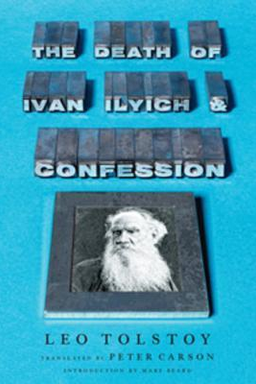
What does it mean to live a good life—and how would you know if you were living one before death arrived? In The Death of Ivan Ilyich, Leo Tolstoy thrusts this question directly into the reader’s heart through the story of a respectable Russian magistrate whose seemingly proper, successful life unravels when he falls mortally ill. Tolstoy argues that our deepest mistakes aren’t moral sins in the conventional sense—they are the failure to live authentically. We pursue comfort, prestige, and propriety while ignoring the deeper demands of the soul. Only when death strips away illusion can we see how empty those pursuits were.
Tolstoy contends that Ivan Ilyich’s seemingly ordinary and “correct” existence—his job, his marriage, his social circle—constitutes the most terrible life of all: a life lived according to convention rather than conscience. This book asks whether our unquestioned habits of ambition and decorum actually shield us from life’s meaning. Death, paradoxically, serves not as an end but as a revelation.
The Crisis of an Ordinary Life
Ivan Ilyich Golovin looks superficially successful: a respected public prosecutor, modestly well-off, owner of a nicely appointed home. But his life is ruled by appearances—what others think of his manners, his décor, his career moves. His marriage to Praskovya is polite but loveless, and his friendships amount to card games and professional gossip. Ivan takes pride in doing everything “comme il faut,” as the French phrase repeats throughout the book, meaning properly or decorously. Tolstoy builds this world of appearances to show how spiritual death precedes physical death.
Tolstoy famously describes Ivan’s life as “most simple and most ordinary—and therefore most terrible.” The phrase captures his critique of bourgeois normalcy. Ivan’s tragedy isn’t exceptional—it’s what happens when life becomes routine, safe, and shallow. The pursuit of a comfortable home and higher salary replaces any pursuit of truth or compassion.
Illness as an Awakening
A trivial accident—bumping his side while decorating his new home—unleashes the illness that ends Ivan’s life. Yet this small moment becomes enormous in its consequence. It forces him to confront what he’d avoided: the reality of suffering, fragility, and mortality. Doctors dismiss him with jargon about floating kidneys and appendicitis. His wife feigns concern but focuses on pensions and propriety. Everyone lies to him: the disease is reinterpreted as mere inconvenience. This conspiracy of denial mirrors the way society denies death itself.
Tolstoy transforms Ivan’s pain into spiritual inquiry. As Ivan deteriorates, his physical agony exposes a moral rot—the emptiness of his previous life. He sees through the doctors’ pretenses, his wife’s selfishness, and his colleagues’ indifference. In their faces he finds no empathy, only fear that his death might disrupt their comfort. That recognition marks his turning point. His suffering converts superficial awareness into profound self-realization.
The Encounter With Authenticity
Only Gerasim, a young peasant servant, offers genuine compassion. When Ivan apologizes for inconveniencing him, Gerasim replies simply, “We shall all die.” His acceptance of mortality is not cold but kind. He treats Ivan’s decline without disgust or denial. Through Gerasim, Tolstoy embodies the life of simplicity and spiritual truth—rooted in service, humility, and faith. This contrast intensifies Ivan’s realization that authentic living requires awareness of death, not avoidance.
Ivan’s journey from denial to acceptance becomes a moral model. He starts with horror—asking, “It can’t be that I ought to die.” As Kierkegaard or Heidegger might say later, Ivan experiences the shock of being “thrown” into existence. Eventually, he discovers that the terror lies not in death but in living falsely. His final moments—when he tells his wife and son that he feels sorry for them—mark his transformation. He sees compassion as the antidote to self-deception. “Death is finished,” he realizes. “It is no more.”
Why This Matters to You
Tolstoy’s short novel remains one of literature’s most piercing meditations on mortality. It’s not a sermon about dying but a wake-up call about living. Every reader sees parts of themselves in Ivan’s fear of losing control, his fixation on propriety, his avoidance of discomfort. Tolstoy invites you to notice how easily your own life can become “most ordinary and therefore most terrible.”
If you recognize yourself in Ivan’s anxious quest for approval, Tolstoy’s solution is clear: embrace honesty, empathy, and awareness of death. Living authentically begins when you confront the impermanence that society denies. Like Ivan, you might only discover meaning when everything you built—status, safety, reputation—collapses. Yet Tolstoy insists that this collapse leads not to despair but liberation. His final revelation—death replaced by light—makes “The Death of Ivan Ilyich” not an elegy but a guide for awakening.