
Idea 1
The Lifelong Practice of Shaping a Child
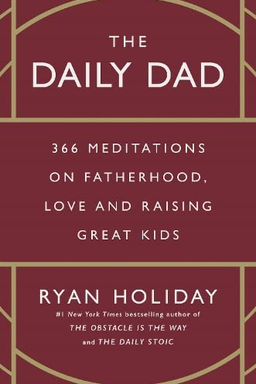
How do you raise a person capable of living well and doing good? The book argues that parenting is not a script but a lifetime of modeling, service, love, and deliberate self-mastery. You teach less by lecture and more by the life you live every day—the way you work, respond to stress, treat others, and allocate time. Children build their identities through imitation, observation, and absorption of your emotional climate. As Heraclitus declared, 'Character is fate'; what you cultivate in yourself becomes the groundwork for their lives.
At its core, the book blends Stoic discipline with modern psychological insight: parenting is self-development extended outward. If you want disciplined, kind, curious, confident children, you must embody those traits yourself. The early chapters (January and February) stress actions that build trust—example and unconditional love. Later months expand to family prioritization, emotional regulation, and character training. The later sections turn the mirror on you, reminding you that parental strength depends on personal health and gratitude for ordinary time.
The Mirroring Principle
Children copy what they see more than what they’re told. John Wooden’s reminder that 'a little fellow follows you' becomes the moral baseline. Whether you admit it or not, they learn from the way you treat strangers, confront hardship, or handle mistakes. Tim Duncan’s memories of David Robinson—showing professionalism through behavior rather than instruction—illustrate that modeling is how lessons truly stick. This principle threads through all later ideas: your life is the curriculum.
Love as the Foundation
Springsteen’s painful reflection on an emotionally distant father and Sophocles’s ancient line that 'love frees us of all the weight and pain in life' anchor February’s theme: unconditional love. It is not earned by good grades or perfect behavior; it is the context that makes every correction possible. Love spoken aloud, demonstrated through service, and proven in patience teaches self-worth. When Ben Horowitz’s mentor Bill Campbell embraced his transgender child fully and publicly, it demonstrated that the kind of love that heals is the one that cannot be withdrawn.
Family Before Fame
March’s chapters urge conscious trade-offs: work, family, scene—pick two. Success measured by external acclaim is temporary; family is permanent. Kobe Bryant’s text—'Can’t right now, my girls are keeping me busy'—offers a practical application: defend your family time fiercely. Small, consistent deposits—a bedtime story, a practice drive—build a memory bank that lasts longer than any professional accolade (Charles Swindoll’s metaphor). When you align your schedule with your values, your children learn what truly matters.
Emotional Mastery
April returns to the Stoic idea of choosing the right handle, as Epictetus says. You teach emotional maturity not by speeches but by your reactions. Pamela Druckerman’s 'le pause'—that moment between stimulus and response—becomes the daily training tool. Your anger management, repair after mistakes, and calm transitions from work to home set a template. Children absorb energy; calm spreads, so does chaos. Master yourself, and you make home a safe classroom for emotional resilience.
Building Moral Architecture
Heraclitus’s maxim 'Character is fate' drives May’s focus on virtue. Courage, moderation, justice, and wisdom (Marcus Aurelius and Aristotle) are cardinal pillars your children learn through reinforcement. Baroness Lehzen’s moral guidance of Queen Victoria or Bezos’s grandfather teaching that kindness demands effort both show how daily examples shape lifelong moral reflexes. Chores, honesty, and responsibility are not punishments—they are construction sites for the self.
Care for Yourself
June shifts the perspective: parents must refill their own wells. Voltaire’s advice that choosing your mood is your most critical decision reminds you that children borrow your emotional tone. Protect sleep, quiet time, and physical health. Ask for help, as Marcus Aurelius permitted himself to lean on others. Ursula Le Guin’s comment that no one can do two full-time jobs underscores that partnership and self-care are responsible choices, not weakness. You become a better parent when you protect your own stability.
Small Rituals, Big Impact
Tiny, repeated acts—dinner, bedtime, a walk—form the architecture of belonging. Julia Alvarez said presence today writes tomorrow’s memories. Jerry Seinfeld calls it 'garbage time': ordinary moments that end up being gold. Protect these rituals; they are insulation against regret. March’s advice—say yes when they ask to play one more round, take their hand—reminds you that you get only a finite number of invitations.
Helping Them Become Themselves
You are a guide, not a sculptor. Bruce Springsteen renting a guitar at seven, Arthur Ashe meeting his first coach—these chance acts of exposure bloom into lifelong identities. Banksy’s quip that parents do everything for kids except let them be themselves captures the trap to avoid. Open doors, step aside, and cheer their authentic curiosity. Your task is opportunity and support, not correction into your image.
Challenge, Don’t Shield
Seneca’s counsel to 'train' rather than shelter your child resonates. Create manageable adversity—pack their own bags, confront small frustrations, practice endurance. Roosevelt’s promise to 'make my body' exemplifies how struggle builds capability. Teach your child to say 'good' like Jocko Willink when facing obstacles; that mindset is lifelong armor. Support, but don’t rescue. Intervene to correct, not to prevent effort.
Design Their Environment and Legacy
Lewin’s formula—behavior = function of person and environment—frames your parental power. Your voice shapes their inner voice (Jim Loehr). The books, mentors, and moral examples in your home determine trajectory. Edit your environment deliberately: surround with books, visible creativity, and dignity in speech. Jennifer Doudna’s father revising his syllabus for female models shows how minor environmental adjustments can change history.
Across all themes, the book insists your influence is cumulative: every choice becomes a seed in their future character. Teach by example, love without transaction, hold your temper, put family before fame, and cherish time while you have it. Parenting, in this philosophy, is less about control than cultivation—the steady art of shaping a soul through the quiet daily miracle of presence.