
Idea 1
Creativity as a Daily Habit of Work
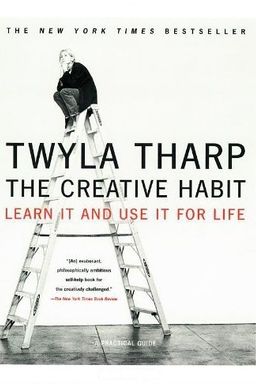
What if creativity wasn’t a mysterious gift from the muses, but something you could practice and refine every day like brushing your teeth or going for a workout? In The Creative Habit, Twyla Tharp—one of the most celebrated choreographers of our time—argues that creativity isn’t a lightning bolt from the heavens; it is a habit built deliberately through preparation, ritual, discipline, and persistence. Tharp insists that creativity is a full-time job, sustained not by inspiration alone but by structure and repetition. “Creativity is a habit,” she writes, “and the best creativity is a result of good work habits.”
Tharp’s central claim runs counter to centuries-old romantic myths about the creative genius—the Mozarts and Shakespeares of history who, we’re told, simply wait for divine inspiration to strike. Her perspective is refreshingly pragmatic: genius is the result of preparation. Mozart, she notes, was not merely kissed by God; he was his father’s disciplined student who worked relentlessly at his craft until his fingers were deformed. Similarly, Tharp reminds us that anyone—from an engineer to a chef to a parent—can cultivate creativity through the same process: establish a routine, trust your rituals, face your fears, and practice endlessly.
The White Room and the Fear of Beginning
Tharp begins the book inside her iconic white dance studio, describing the anxiety of facing an empty space. This blank canvas, she says, terrifies many creators—a screenwriter staring at a white page, a painter confronting an untouched canvas. Yet Tharp finds peace in this emptiness. Years of practice have taught her that habit transforms fear into freedom. The studio becomes home, not a void. The book’s opening sets the stage for her central philosophy: creativity begins not with inspiration but initiation. You show up, confront the white room, and start moving. The movement itself invites ideas.
Preparation over Inspiration
For Tharp, “preparation” isn’t about waiting until conditions are perfect—it’s about creating the conditions that allow creativity to prosper. Like an athlete stretching before a run, the creative person needs rituals and routines that warm up the mind. This preparation—both physical and mental—builds confidence and readiness. Without it, even a flash of genius will be wasted because you won’t have the tools to harness it. Tharp compares this to Mr. Miyagi in The Karate Kid: the seemingly mundane acts of “wax on, wax off” are, in fact, training embedded in ritual. The student learns the basics through disciplined repetition before creativity can emerge naturally.
Creativity for Everyone
Tharp’s definition of creativity is democratizing and expansive. It’s not reserved for choreographers or painters. Businesspeople, engineers, teachers, and parents all rely on creative problem-solving. The book’s exercises—such as finding your “pencil” (the tool you never leave home without) or building tolerance for solitude—are designed to ignite habitual creativity for anyone, not just artists. Creativity becomes a way of engaging fully with life: noticing patterns, organizing chaos, reclaiming curiosity, and using every experience as raw material. “Everything,” Tharp writes, “is usable.”
Hard Work and the Myth of Genius
Tharp dismantles the myth of innate genius through examples of relentless discipline. She revisits Mozart’s story to prove creativity’s earthly roots in effort. The young composer practiced scales, studied masters, and wrote tirelessly. When talent meets labor, greatness becomes inevitable. “Nobody worked harder than Mozart,” she asserts. Tharp’s pragmatic admiration for hard work echoes similar philosophies found in books like Deep Work by Cal Newport and Atomic Habits by James Clear—each arguing that mastery emerges from consistency and purposeful repetition rather than divine luck.
Why These Ideas Matter
We live in an age that celebrates productivity yet misunderstands creativity. Many people wait for motivation before starting, believing ideas appear spontaneously. Tharp flips this logic: motivation follows motion. Through the act of creating, through daily ritual and practice, your ideas unfold and evolve. In this way, her book is not just about “being creative” but about living creatively—organizing your life so every moment contributes to your craft. It’s an empowering concept because it removes excuses: you can start anywhere, anytime. The creative habit, once established, sustains itself.
Throughout the book, Tharp integrates autobiographical stories, from dancing under the hot lights of New York studios to producing a Broadway hit, Movin’ Out. These anecdotes make the lessons tangible: routines build resilience; rituals combat fear; preparation invites genius. Ultimately, Tharp’s message is clear and actionable: Creativity thrives when you work for it every day. Developing this habit turns inspiration from a whimsical visitor into a permanent resident.