
Idea 1
Thriving Together When ADHD Shapes Your Relationship
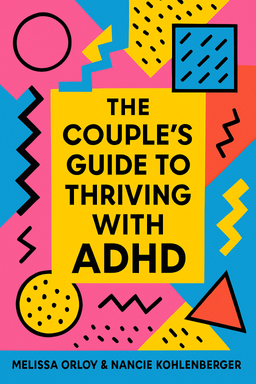
Have you ever felt like you're speaking an entirely different language from your partner—like love exists but somehow gets lost in translation? In The Couple’s Guide to Thriving with ADHD, Melissa Orlov and Nancie Kohlenberger tackle one of the most puzzling relationship questions: how can two loving people feel so disconnected when ADHD enters the mix? The book argues that adult ADHD doesn’t just affect the person diagnosed—it reshapes the entire relationship dynamic. When one partner has ADHD, both partners have ADHD’s effects, because daily life and emotional rhythms intertwine so deeply.
Orlov contends that understanding how ADHD changes relationship patterns—attention, memory, organization, emotional regulation—is essential to rebuilding intimacy and trust. It isn’t enough to simply cope; couples must actively learn to thrive. That means mastering treatment, communication, emotional management, chores and life balance, and rediscovering the spark of love. More than a clinical manual, this book is part scientific roadmap, part heartfelt companion for couples feeling lost in frustration and misunderstanding.
Why Awareness Changes Everything
Before ADHD is diagnosed, partners often fill the explanatory void with hurtful assumptions: ‘She doesn’t care,’ or ‘He’s just lazy.’ Once ADHD enters the conversation, a new framework emerges. As psychologist Ari Tuckman explains in the foreword, diagnosis shifts perception from viewing behaviors as character flaws to seeing them as expressions of neurobiology. This shift doesn’t excuse poor behavior—it empowers couples to build realistic strategies instead of resentment. The diagnosis becomes a turning point, replacing misunderstanding with compassion.
The Emotional Dimension: Creating Intentional Relationships
Orlov and Kohlenberger emphasize that ADHD magnifies the normal emotional challenges of any relationship. Distractibility hurts attentiveness; impulsivity undermines trust; chronic disorganization chips away at reliability. Their solution is what they call the ‘intentional relationship’—a deliberate, mindful approach where both partners recognize their patterns and make conscious choices to redirect them. This process unfolds across three stages: overcoming denial, undertaking hard work to change behaviors, and rekindling affection and romance. The journey is gradual, but it transforms couples from adversaries to partners in growth.
The Structure of Hope: 21 Hot Spots
The book organizes its advice around twenty-one ‘hot spots’—recurring trouble zones like confusion over treatment, chronic lying, feeling unloved, anger overload, and intimacy struggles. Each hot spot blends science with therapy-level insight. The authors guide readers through understanding symptoms, interpreting emotions correctly, and responding with empathy. This approach affirms that relationship repair is not one event but a series of small victories—altering patterns one hot spot at a time.
The Three Legs of Treatment—A Foundation for Change
Central to thriving is Orlov’s metaphor of the ‘three-legged stool’ of ADHD treatment. The first leg—physiological—includes medication, sleep, exercise, and nutrition. The second leg—behavioral—emphasizes creating supportive external structures, coaching, and organization habits to manage executive function difficulties. The third leg—interactive—focuses on communication, kindness, and respect. All three legs must be sturdy to balance the weight of a relationship. Neglect one, and the stool (and the marriage) wobbles.
Why Connection Outweighs Perfection
The authors repeatedly caution couples not to aim for perfection. In ADHD-impacted relationships, consistency matters more than flawless performance. Progress comes when an ADHD partner becomes ‘reliable enough’ and a non-ADHD partner learns to release control. This balance rebuilds trust—a process Gottman calls ‘emotional attunement’—and makes space for intimacy. Over time, couples discover strengths hidden beneath chaos: ADHD’s creativity, energy, and spontaneity become sources of joy again.
The Promise of Thriving
Ultimately, The Couple’s Guide to Thriving with ADHD promises something far beyond coping: renewal. Through compassion and deliberate choice, partners can transform tension into teamwork. ADHD doesn’t vanish, but its power over the relationship fades. What remains is empathy, laughter, and trust rebuilt through intention. For every couple feeling trapped in cycles of criticism and frustration, this book offers a hopeful message: with understanding and treatment, you can not only survive the ADHD effect—you can truly thrive.