
Idea 1
The Call to Costly Discipleship
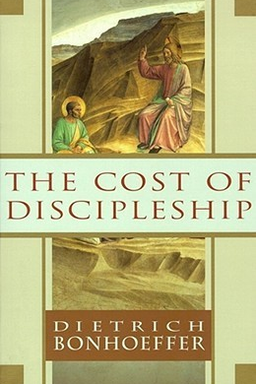
What does it truly mean to follow Christ in a world that prizes comfort, conformity, and religious convenience? In The Cost of Discipleship, Dietrich Bonhoeffer issues a provocative challenge: grace is free but never cheap. His entire argument pivots on one claim—Christ invites you not into cheap comfort but into costly transformation. When Christ calls a person, he bids him come and die. This book, which grew out of Bonhoeffer’s time training pastors in Nazi Germany, unfolds a theology of discipleship that combines radical obedience, suffering, and visible fellowship under the cross.
Cheap Grace and Its Deadly Illusion
Bonhoeffer begins with a diagnosis of the Church’s disease. Cheap grace treats divine forgiveness as permission to continue unchanged—a saccharine consolation detached from repentance or obedience. It converts sacraments, absolution, and theology into commodities sold without cost. As Bonhoeffer laments, the German Church’s ready absolution of society bred passive Christians incapable of resisting tyranny. Cheap grace, in short, justifies sin but never transforms the sinner. It is religion without discipleship, forgiveness without conversion.
Costly Grace: Gift and Summons
Costly grace reverses the illusion. It springs from the cross—it is the pearl of great price for which you sell all you have. God’s grace cost the life of his Son, so receiving it must cost your self-centered life. It is both gift and call: forgiveness is inseparable from obedience. Bonhoeffer insists that if grace truly binds you to Christ, you can only show it by taking up your cross and following. Costly grace demands concrete transformation; it replaces spiritual comfort with radical discipleship.
The Movement of Discipleship Through the Book
From this foundation Bonhoeffer builds a progression: Christ’s summons demands a first step of obedience; that obedience births faith. Discipleship then matures into single-minded following—literal obedience that later expresses itself as paradoxical freedom. You next encounter suffering under the cross, the reordering of relationships through Christ the Mediator, and practical ethics from the Sermon on the Mount (brotherly reconciliation, truthfulness, purity, enemy-love). Finally he expands the vision outward into visible Church life—apostleship, baptism, sanctification, corporate discipline.
The Historical Drama Behind the Theology
This theology was lived, not merely preached. Bonhoeffer’s own biography—his transformation after exposure to the Abyssinian Baptist Church in Harlem, his founding of the illegal seminary at Finkenwalde, his public defiance of Hitler, and his eventual execution at Flossenbürg—mirrors this costly grace. Each act of obedience deepened his faith. His writings became both manifesto and witness: discipleship is not an idea but participation in Christ’s suffering and resurrection.
Faith, Obedience, and Cross-Shaped Fellowship
Throughout the book runs a shocking paradox: "Only those who obey can believe, and only those who believe obey." Bonhoeffer collapses the gap between faith and action. He likewise blends the personal and the communal—Christ calls individuals into mediated fellowship, transforming relationships into channels of grace. Discipleship therefore creates visible community, the Church, where costly grace becomes embodied through baptism, sacrament, prayer, and mutual discipline.
Implications for You
If you read Bonhoeffer as mere moralism, you miss his revolutionary joy. You are not asked to manufacture holiness but to participate in Christ’s life through obedience. The question is personal: is your Christianity merely an institution’s permission to remain unchanged, or is it a summons that redefines your existence? Bonhoeffer’s message demands that you live visibly under the cross, with a simplicity free from anxiety, a righteousness hidden from your own pride, and a faith that endures rejection and suffering. Only then does grace prove what it truly is—the living presence of Christ shaping your life.
Central Idea
True grace is costly because it unites you with the crucified and risen Christ. To follow him is to die to yourself and to live visibly as his disciple in a world that prefers cheap grace.
Bonhoeffer’s vision is both theological and practical: the Church’s renewal depends on rediscovering the cost of grace. This cost is not misery but transformation—the price of becoming fully alive.