
Idea 1
The Kama Sutra: A Guide to Sensual Fulfillment and Balanced Living
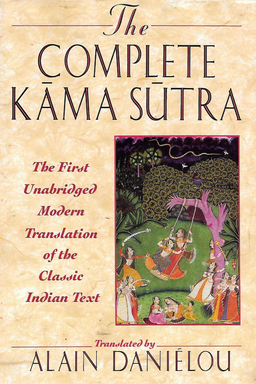
What does it mean to live a sensually fulfilling life—not just a sexually active one, but one where body, mind, and spirit are harmonized? That’s the timeless question behind Beyond a Manual: An Indian Guide to Sensual Fulfillment, a modern exploration of the ancient Kama Sutra. This text isn’t merely a catalogue of erotic positions, as Western readers have often imagined. Instead, it’s a philosophical guide to balancing pleasure, virtue, and wealth—the three aims of life as defined in India’s classical tradition. Its author, or more accurately its compiler, Vātsyāyana, believed that sexuality isn’t just animal instinct but a spiritual power that, when understood properly, contributes to a harmoniously lived life.
At first glance, the Kama Sutra seems to belong to another world—the luxury-filled households, elaborate gardens, and leisure-rich afternoons of fourth-century India. Yet its underlying philosophy feels profoundly current. Much as modern wellness thinkers talk about integrating your senses and emotional awareness, the Kama Sutra instructs you to cultivate your sensual side as deliberately as you cultivate intellect or discipline. Its goal isn’t moral restriction or indulgent freedom; it’s self-knowledge through sensual mastery.
The Broader Philosophy of Pleasure
The Kama Sutra situates sex within life’s grand triad—dharma (virtue), artha (wealth), and kama (love or sensual pleasure). This trinity captures the idea that fulfillment comes from balance, not dominance of one aspect. You can’t ignore the sensual and remain complete, just as excessive indulgence disturbs inner harmony. Vātsyāyana approaches sex not as a taboo topic but as a legitimate subject of study, deserving the same disciplined effort as philosophy or art. This stance—radical even today—implies that understanding desire is part of understanding yourself.
So why does humanity need rules for passion? Because unlike other animals, humans seek not only satisfaction but beauty, meaning, and transcendence through erotic experience. Vātsyāyana argues that this higher dimension distinguishes human lovemaking from instinctual mating. The act of union becomes sacred when done with awareness, artistry, and mutuality.
Beyond Instinct: Sensuality as Spiritual Practice
The Kama Sutra frames erotic life as an art—something learned through study, experience, and practice. Young people, both men and women, were expected to master the “64 arts,” encompassing music, dance, poetry, carpentry, and painting. These skills stimulate the senses and cultivate refinement, preparing one to engage the erotic world with both sensitivity and skill. Vātsyāyana envisions a well-balanced adult—the wealthy townsman with his garden, baths, betel leaf, and intellectual leisure—as someone who combines cultivation with pleasure. His sexuality is integrated into his social and aesthetic life, not separated from it.
Consider this against modern culture’s polarization of sex as either purely recreational or shamefully private. Vātsyāyana’s vision feels remarkably holistic—sex as part of a person’s moral, spiritual, and artistic growth. This echoes ideas from later traditions like Tantra or even contemporary mindfulness—where presence, attention, and multi-sensory awareness are treated as gateways to awakening.
Lessons from Matchmaking and Mutual Discovery
The text also explores love and partnership—not only whom to marry, but how intimacy develops. The ideal match, it says, grows from shared experiences and emotional familiarity—sometimes beginning in childhood and blossoming naturally through affection and play. Mutual respect, gradual seduction, and patience define the tone of its approach. Couples were encouraged to wait three nights after marriage before consummation, using the time to cultivate comfort, trust, and emotional connection. This deliberate pacing contrasts sharply with modern impatience; it reframes intimacy as a slow-building art rather than a quick result. It’s one of the book’s most enduring human insights: pleasure deepens when love develops slowly.
The Erotics of Imagination and Diversity
Of course, the Kama Sutra is most famous for its section on sexual positions—its so-called “Amorous Advances.” Here, Danielou’s translation—based on Vātsyāyana, plus medieval and modern commentaries—reveals both universality and cultural specificity. The text describes positions from simple to complex: reclining, standing, spinning, and entwined variations, each with names like “rice and sesame,” “the box,” and “the hanging.” While the details may amuse or astonish, their purpose is pedagogical—exploring mutual pleasure through movement, experimentation, and awareness. These detailed instructions emphasize not novelty for novelty’s sake, but shared sensitivity, creativity, and adaptation to physical differences. The goal: to ensure both partners experience joy equally.
The book’s open-minded inclusion of diverse practices—including same-sex relations, use of implements, and even acts seen as taboo—shows how comprehensive Vātsyāyana wanted his guide to be. He didn’t moralize; he cataloged human erotic behavior to understand it fully. In that sense, his work resembles modern sexology (e.g., Alfred Kinsey’s research) more than religious scripture.
A Legacy of Integration and Awareness
Ultimately, Beyond a Manual frames the Kama Sutra as an invitation to live wisely within your desires. While some passages—on courtesans, harems, and ritual behaviors—reflect a world far removed from ours, the essence endures: the pursuit of balanced pleasure through conscious living. The lesson isn’t merely how to enjoy sex, but how to treat sensuality as part of your growth toward wholeness. Desire, when guided by knowledge and respect, becomes a path to connection rather than chaos.
That’s what makes this ancient Indian text relevant now. In an age of quick gratification and digital detachment, the Kama Sutra whispers something radical: take your time. Learn the arts of touch, conversation, and gentle anticipation. Recognize pleasure as both natural and worthy of study. The book invites you to move “beyond a manual”—toward a fuller, integrated experience of your own humanity.