
Idea 1
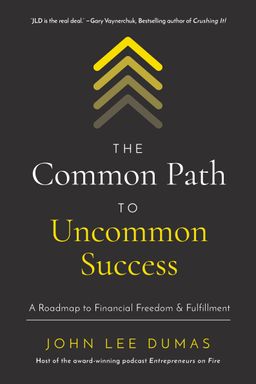
The Common Path to Uncommon Success: A Blueprint for Financial Freedom and Fulfillment
What if the journey to wealth and fulfillment wasn’t reserved for a chosen few but could actually follow a common, repeatable path? In The Common Path to Uncommon Success, podcast entrepreneur John Lee Dumas—host of Entrepreneurs on Fire—makes a bold argument: building a meaningful, prosperous life isn’t about chasing secrets or paying gatekeepers. It’s about following simple, proven steps with relentless focus. He insists that financial freedom and fulfillment come from providing the best solution to a real problem—and that anyone willing to do the work can succeed using this roadmap.
Through more than 3,000 interviews with successful entrepreneurs and his own experience turning an idea for a daily podcast into a multimillion-dollar brand, Dumas learned that there’s nothing mystical about success. What separates the dreamers from the achievers isn’t luck; it’s action, discipline, and identifying a clear mission to serve others. The path, he says, is common because anyone can walk it—but the success at the end is uncommon because few persist long enough to reach it.
From the Battlefield to the Boardroom
Dumas’s story begins far from glamorous. After serving as an Army officer in Iraq, he spent years drifting—from law school to corporate finance to real estate—feeling restless and unfulfilled. His turning point came when he encountered Albert Einstein’s quote: “Try not to become a person of success, but rather a person of value.” He realized that all his chasing after titles and money had failed because he hadn’t been offering value. His mission shifted: to create something that truly helped people. The result would be Entrepreneurs on Fire, the first seven-day-a-week podcast interviewing successful founders.
That decision grew into what he calls his “Zone of Fire”—the intersection of passion and expertise. According to Dumas, your “big idea” isn’t just what you love or what you’re good at, but where those two overlap in a way that benefits others. This principle anchors his entire framework for uncommon success.
The Roadmap to Success
Dumas distills nearly a decade of trial and triumph into a clear roadmap of seventeen steps. These steps, ranging from identifying your big idea to creating content and securing systems, form a cycle of value creation. Readers learn how to:
- Pinpoint their niche to dominate a small corner of a market.
- Define a detailed “avatar” (a single ideal customer) to guide every decision.
- Choose a platform—written, audio, or video—to share their message consistently.
- Find mentors and masterminds to accelerate growth through accountability.
- Design content and business systems to free time and ensure sustainability.
The book reinforces that wealth follows clarity. Each step strips away common entrepreneurial missteps like chasing too many ideas, trying to please everyone, or aiming for perfection before launching. Instead, Dumas champions steady, consistent creation—what he calls doing common things in an uncommon way.
Why This Path Matters
Dumas’s philosophy stands as an antidote to what he calls “the gatekeeper myth”: the idea that only experts, gurus, or those with special access can achieve big success. Much like Michael Gerber’s message in The E-Myth Revisited or Stephen Covey’s focus on principle-centered living, Dumas demystifies entrepreneurship. He shows that by defining your audience, crafting solutions for their struggles, and applying discipline through systems and focus, you can build wealth and meaning simultaneously.
He also emphasizes that fear, doubt, and stress aren’t signs of failure—they’re part of the climb. What separates achievers is their ability to continue acting despite fear, a lesson Dumas learned during his military service. Each fork in the entrepreneur’s road becomes clearer when guided by a single question: “What would my avatar want?”
By the end, Dumas doesn’t promise overnight transformation. Uncommon success, he insists, demands patience and persistence. But by working through the steps—identifying your big idea, niching down, finding mentors, building systems, and keeping the money you make—you’ll achieve more than wealth. You’ll achieve what he calls meaningful fulfillment: the satisfaction of creating value that lights both you and others on fire.