
Idea 1
Embracing Comfort as the True Path to Growth
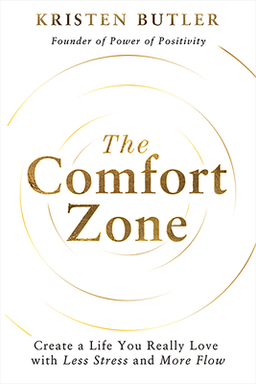
Have you ever been told that growth only happens outside your comfort zone—and then felt burned out trying to live by that mantra? In The Comfort Zone: How to Embrace the Joy in Chaos and Find Magic in the Mess, Kristen Butler rewrites one of the most entrenched ideas in modern self-help. She argues that true success, creativity, and emotional healing don't come from constant discomfort or hustle. Instead, they flourish when you root yourself in ease, safety, and self-trust—when you live from your comfort zone, not outside it.
Butler’s central claim challenges decades of motivational posters and podcasts that celebrate stress as an achievement badge. For her, being uncomfortable doesn’t cause growth—it causes exhaustion. Growth happens naturally when you feel grounded in your values and aligned with your inner rhythm. She contends that chasing discomfort chains you to discomfort, while choosing comfort liberates you to create and expand with flow.
A Paradigm Shift in Mindset
Butler invites readers to question what society has long defined as ambition. From school rules to workplace culture, we’ve been taught to equate discomfort with effort and effort with success. She compares this mindset to living in a “backwards world”—a collective delusion where burnout and anxiety signify progress. In contrast, she introduces an alternative model where peace, clarity, and joy are markers of real success. Drawing from her own story—falling into depression, anxiety, and bankruptcy after years of overwork—she realized that stepping back into comfort was what helped her rebuild. From there, she went on to found Power of Positivity, inspiring millions through genuine ease, not grind.
The Three Zones of Living
At the core of Butler’s message are the three zones we all move through: the Complacent Zone, where fear and stagnation rule; the Survival Zone, marked by struggle, hustle, and burnout; and the Comfort Zone, where safety, creativity, and ease enable organic growth. She reframes the comfort zone as an active, expanding space—your personal sanctuary and power base—rather than a stagnant bubble. Inside this zone, your nervous system rests, your heart enters coherence (as shown by HeartMath Institute research), and your creativity thrives. Growth and flow, she insists, are not forced—they emerge when you feel safe.
Safety, Expression, and Enjoyment: The SEE Pyramid
Butler structures her philosophy around the SEE Pyramid—Safety, Expression, and Enjoyment. These three layers mirror Maslow’s hierarchy: safety first, self-expression second, and joy at the peak. Without a foundation of safety—created through boundaries, self-care, and internal stability—there’s no room for authentic expression or sustainable enjoyment. But when you honor yourself, define your limits, and cultivate daily rituals that feel good, you make creativity effortless. As Butler writes, “The ultimate test in life is not building a life that you can enjoy, but learning to enjoy the life you already have.”
The Create with Comfort Process
Across the book, Butler offers a structured model called The Create with Comfort Process—three stages: Define, Develop, Direct. You begin by defining where you are (creating safety through boundaries and self-care), then develop where you’re going (cultivating vision, affirmations, and the “Expanded Self”—your future confident self), and finally direct how to get there (with acclimation, flow, mindset, and healthy relationships). This process reframes personal growth as a nurturing homecoming to your true self.
Growth Without Pain
Throughout, Butler backs her message with both science and spirituality. She cites psychologist Lev Vygotsky’s scaffolding theory to show how gentle exposure—not forced discomfort—builds sustainable skill. She references Brené Brown’s work on vulnerability and Jill Bolte Taylor on brain function to demonstrate how safety activates learning, not fear. The body literally performs better inside the comfort zone. Her prose, however, remains warm and personal, inviting readers to cultivate trust, gratitude, and self-expression.
Why Comfort Matters Now
The world Butler describes resonates with our post-pandemic fatigue and digital burnout. We live amid hustle culture, comparison, and emotional overwhelm. Butler’s antidote is radical self-permission—to rest, enjoy, and trust that flow expands faster than struggle. Her story reminds us that comfort isn’t laziness; it’s leadership. “When your dreams come knocking on your door,” she writes, “you don’t have to leave home to find them—you have to be home to receive them.” This is the quiet revolution The Comfort Zone leads—a practical spirituality of ease that teaches you to stop chasing discomfort and start expanding comfort as your gateway to mastery and joy.