
Idea 1
Finding Comfort in a Chaotic World
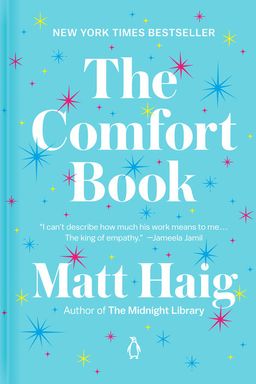
When life feels overwhelming, where do you turn for comfort? Matt Haig’s The Comfort Book offers an answer not through grand philosophies or clinical advice but through something simpler, more human. Haig—a writer who has stood on the edge of despair—proposes that comfort isn’t found in perfection or certainty, but in gentleness, acceptance, and the quiet hope that things will change. This book is an assemblage of reflections, stories, quotes, and life lessons—each a small life raft for when your thoughts feel too heavy.
Drawing on his own experiences with depression and anxiety, Haig contends that comfort isn’t about escaping pain but learning to coexist with it, to find small sparks of hope amid the dark. He argues that being alive itself is enough—that our worth isn’t conditional on productivity, improvement, or public approval. Throughout the book, he merges philosophy, psychology, personal anecdotes, and spirituality, weaving together insights from Marcus Aurelius, Emily Dickinson, Nietzsche, and Buddhist thought into a chorus of wisdom that encourages readers to slow down and simply be.
Comfort as Connection
At its core, the book proposes that comfort is connection. Haig invites you to see yourself not as isolated but as connected to everything—human to human, moment to moment, despair to hope. Connection extends beyond relationships; it includes your bond with time, with nature, and with yourself. The author’s recurring metaphor of the forest captures this beautifully—when you’re lost, the key isn’t to panic but to keep moving forward, one step at a time, until you find your way out. In hard times, connection is remembering that you have always survived before and will survive again.
The Power of Perspective
Haig reminds readers that perspective changes everything. Quoting Marcus Aurelius’s idea that pain comes from our perception rather than events themselves, he reframes distress as an opportunity to change how we see the world. Depression, fear, or failure do not define you—they are experiences within you, like weather patterns passing through the sky. To realize that emotions are transient is to begin healing. He regularly refers to Shakespeare’s Hamlet—‘there is nothing either good or bad, but thinking makes it so’—to illustrate that our minds create prisons but also hold the keys to escape them. Comfort arises when we reclaim the freedom to interpret our reality differently.
Time and Change
Perhaps the most recurring reassurance is that change is real. Pain does not stay. Haig uses the image of neuroplasticity to remind you that even your brain is designed to grow and adapt. For him, hope isn’t about denying pain—it’s recognizing that time disproves despair’s lies. Days will shift. Perspective evolves. You survive not just for others but for future versions of yourself who will look back with gratitude that you held on when life was hardest.
Comfort in Everyday Things
Haig’s writing is peppered with small comforts—a slice of toast, a walk in nature, listening to the Beatles, or watching The Sound of Music. He dismantles the idea that comfort must come from big achievements; rather, it’s found in ordinary, tangible acts of living. Each ritual—like his humorous recipe for peanut butter on toast—is a meditation on gratitude. In a chaotic world driven by algorithms and ambition, Haig’s book asks you to pause and remember that the smallest moment, savoured fully, can restore balance.
Acceptance Over Achievement
Unlike traditional self-help books, Haig doesn’t promise transformation through relentless self-improvement. He rejects the Western myth that happiness is earned through productivity or success. Instead, he aligns with Buddhist and Stoic teachings, suggesting that being matters more than doing. The notion of ‘basic nowness’ and the radical acceptance promoted by teachers like Pema Chödrön and Tara Brach echo throughout his pages. When you stop trying to fix yourself, you begin to allow yourself. This shift—from fixing to allowing—is, according to Haig, where comfort truly begins.
Why This Matters
The Comfort Book is gentle but revolutionary in its message. It reminds you that suffering doesn’t invalidate beauty, that despair and joy coexist, and that survival itself is a profound victory. In a generation obsessed with optimization, Haig’s perspective matters because it restores the value of slowness, weakness, and imperfection. Through philosophy, poetry, and simple human stories—from Karl Heinrich Ulrichs fighting for truth to Beethoven composing in silence—Haig paints comfort not as denial but as recognition of life’s messy miracle. To be human, flawed, and alive is enough. No ladder to climb; no upgrade required.