
Idea 1
How the Logical and Sensitive Can Thrive Together
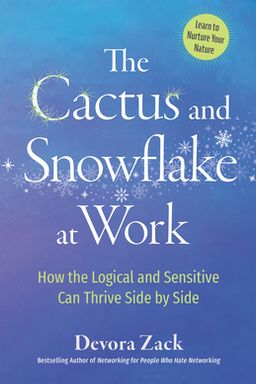
Have you ever worked with someone who seems to live in an entirely different emotional climate—someone unfazed by conflict while you’re agonizing over tone, or vice versa? In The Cactus and Snowflake at Work: How the Logical and Sensitive Can Thrive Side by Side, Devora Zack argues that the foundational divide between people who lead with their hearts (Snowflakes) and those who lead with their heads (Cacti) underpins many workplace misunderstandings. Rather than judging these differences, Zack contends that embracing them unlocks better communication, collaboration, and empathy.
Drawing from Carl Jung’s thinker–feeler typology and her decades of consulting experience, Zack reimagines these categories through vivid metaphors. Snowflakes, she says, are intricate, empathetic, and emotionally attuned—but also sensitive and prone to self-doubt. Cacti are pragmatic, sturdy, and cool-headed—yet can seem brash or unfeeling. The book’s playful yet grounded approach turns these personality contrasts into a guide for genuine human connection at work and beyond. Central to her thesis is that neither style is superior; both are necessary halves of a balanced ecosystem.
Two Ecosystems, One Workplace
In Zack’s model, Snowflakes and Cacti represent divergent worldviews that influence how people make decisions, communicate, and handle tension. Snowflakes find purpose in connection and empathy. They value harmony, affirmation, and meaning. But this emotional openness can make them oversensitive to feedback or perceived rejection. Cacti, meanwhile, default to logic and objectivity. They thrive on facts, consistency, and principles—but may misread empathy as inefficiency. These divergent instincts underpin workplace friction, from a sensitive employee who feels dismissed by a terse email to a logical manager who thinks “softening the blow” wastes time.
Zack’s purpose isn’t to change anyone’s nature but to help readers understand their own—then flex their style to meet others halfway. She emphasizes that personality differences are explanations, not excuses. Understanding that insight transforms tension into curiosity. In her metaphor, Snowflakes can survive the sun if they learn to gently adapt, and Cacti can flourish in softer climates if they accept small doses of emotional warmth.
From the Golden Rule to the Platinum Rule
The foundation of thriving side by side lies in respect—and Zack redefines respect through what she calls the Platinum Rule: Treat others the way they want to be treated. It’s an upgrade from the old Golden Rule, which assumes everyone shares your preferences. Snowflakes show respect through care and empathy, while Cacti show it through directness and fairness. The Platinum Rule reframes respect as a dynamic skill: you demonstrate it based on how others best receive it. This shift encourages adaptive communication, from choosing clearer language with a Cactus to softening tone when addressing a Snowflake.
Flexing isn’t about faking. It’s about translating your natural style into a dialect others can hear. Zack shows that mastering this interpersonal multilingualism is one of the most valuable leadership skills in today’s emotionally diverse workplaces.
Embracing the Nonevent and the Grip
One of Zack’s most original contributions is the idea of the Nonevent (NE): what’s significant to one person may be meaningless to another. For a Snowflake, a curt “Sure.” in an email could feel dismissive; for a Cactus, it’s efficient communication. Recognizing these mismatches as differences in perception rather than intent prevents unnecessary conflict. Later, in her chapter “Stress and Shadows,” Zack builds on Carl Jung’s idea of falling “in the grip”—times when stress makes us act out of character. A usually calm Cactus may lash out emotionally; a normally thoughtful Snowflake may become erratic. Understanding these “shadow selves,” she argues, helps us respond with empathy toward others’ off days—and our own.
Why It Matters Now
In an age of remote teamwork, cross-generational workplaces, and global collaboration, Zack’s framework offers a way to navigate diverse emotional cultures. Her blend of humor, psychology, and practical exercises (her “Toolshed Moments”) gives readers accessible entry points to self-awareness. By learning to flex between heart and mind, we don’t just become better coworkers—we become more balanced people. Echoing thinkers like Daniel Goleman on emotional intelligence, Zack insists sensitivity and logic are not opposites but partners in progress.
Ultimately, Zack’s message is one of radical empathy: you don’t have to become someone else to connect. You just have to understand that others see through different lenses—and respect those distinctions as part of what makes collaboration beautiful.