
Idea 1
Intentional Communication and the Power of Presence
Every word, gesture, and tone you use either draws people toward your message or pushes them away. The authors of this book (communication coaches and performance experts) argue that exceptional communicators never speak by accident—they speak with intention and objective in sync. This simple but transformative pairing defines the Pinnacle Method, a disciplined approach drawn from acting, neuroscience, and leadership studies.
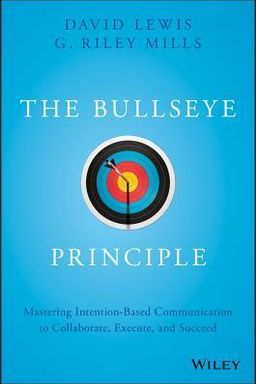
The central claim is clear: to influence, you must align what you say (objective) with how you say it (intention). Without intention, your words drift; with it, they fly straight toward the target—the bullseye.
From Acting to Business: The Power of Intention
Actors like Konstantin Stanislavski understood intention as the invisible force that organizes performance. This book translates that concept for leaders and professionals. Your intention determines not just your tone but your physical energy, posture, and presence. Neuroscience supports it: Lynne McTaggart’s research shows intention changes both performance and perception, and University of Toronto findings reveal that focusing on intention lowers self-consciousness, making you more authentic.
Before any communication, you ask: what do I want the listener to think, feel, or do? That answer defines your objective. Then you decide how you'll try to make that happen—the intention (to reassure, to inspire, to challenge, to invite). This focus turns communication from a monologue into an act of influence.
Practical Framework: The Persuasion Equation
The authors summarize the Pinnacle philosophy as the Persuasion Equation: Objective = What You Want, Intention = How You Get It. To apply it quickly, follow three repeatable steps:
- Analyze your audience—understand identity, expectations, and emotional context.
- Define the reaction you want—specific and measurable (behaviors or emotions).
- Modify delivery—choose an intention verb and align voice, pace, and body language.
This model is easy to recall before any meeting or presentation. Over time it becomes an instinct: you think, speak, and act with congruence.
Congruence in Action: Verbal, Vocal, and Visual Alignment
Psychologist Albert Mehrabian famously noted that communication depends heavily on congruence between words, tone, and nonverbals. The Phil Davison case in Chapter 1 proves this in painful detail. Davison’s speech contained competent words but toxic energy—his anger and aggression overpowered his content, making him an internet meme. When coached to deliver the same text with calm persuasive intention, his presence transformed, validating the book’s thesis: intention reshapes perception.
The fix is subtle but powerful: choose verbs like empower, reassure, invite, energize rather than flat ones like “inform.” Then embody them through small cues—eye contact, posture, breath, and phrasing. When your intention verb guides you, authenticity follows naturally.
Hitting the Bullseye Consistently
Like elite athletes, great communicators never perform unconsciously. They prepare so they can be spontaneous. They write objectives (“I want my audience to trust this new process by the end of the meeting”) and select one intention (“to reassure”). Then they rehearse aloud, noticing how tone and gestures change. Over time, this habit produces consistent impact.
Core Principle
Intention is the invisible glue that fuses words, tone, and motion into credibility. It transforms communication from performance into influence.
The book’s opening argument lays the foundation for everything that follows—leadership presence, persuasion, storytelling, and trust-building. Once you internalize how to set objectives and choose intentions, every email, pitch, meeting, or conversation becomes a purposeful act. You are no longer talking; you are landing your message squarely on the bullseye.