
Idea 1
Growing Beyond Borderline Personality Disorder
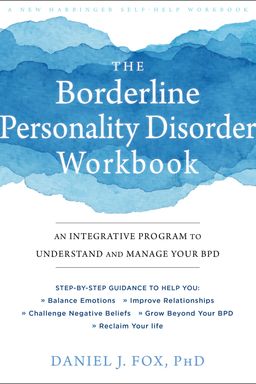
How do you start changing something that feels like it defines who you are? If you've ever felt trapped by your emotions, your impulses, or your relationships—cycling between intense love and resentment, chaos and despair—then The Borderline Personality Disorder Workbook by Dr. Daniel J. Fox offers a road map toward a different life. Fox argues that borderline personality disorder (BPD) is not an untreatable curse but a set of patterns that can be understood, reshaped, and finally transformed. His central contention is bold yet hopeful: BPD isn’t a fixed identity—it’s a treatable disorder that you can grow beyond through insight, practice, and persistence.
In this workbook-style guide, Fox blends clinical precision with empathy, helping you explore your beliefs, behaviors, emotions, and memories—and then build step-by-step skills to replace destructive cycles with adaptive ones. He divides this transformation into five parts: understanding what BPD is, preparing for change, addressing the behaviors that keep it alive, reconstructing your internal world, and finally maintaining success to live beyond the disorder.
Reframing What Treatability Means
Fox begins by debunking the myth that personality disorders, especially BPD, are untreatable. He reframes the concept of treatment: instead of seeking a “cure,” the goal is symptom reduction and improved functioning. A personality disorder isn’t something you eradicate—it’s part of your psychological structure. But you can learn to manage and reshape the patterns that dominate it. He compares this to learning to roller skate: awkward and difficult at first, but easier with consistent practice until stability becomes natural. This metaphor sets the tone for the entire book—progress through repetition and commitment.
The Architecture of Change
From the start, Fox emphasizes structure. The workbook is divided into five parts. First comes understanding: clarifying what BPD really is, its symptoms, origins, attachment patterns, types, and spectrum. Next, Fox invites you to measure your readiness to change, exposing the beliefs and benefits that keep the disorder powerful. Then, the middle sections address behavior—what triggers you, how to manage conflict, and how to soothe or challenge dysfunctional responses. Later chapters reconstruct the inner world: confronting fears, distortions, and defense mechanisms, and replacing them with personal empowerment and self-compassion. The final section builds maintenance—how to keep growing, how to manage stress, and how to protect the gains you’ve achieved.
A Workbook of Self-Discovery
Each chapter uses exercises, reflections, and case examples to make abstract psychological concepts personal. Fox introduces two composite case studies—Betty and Tony—to illustrate real struggles and triumphs. Betty’s story reveals emotional volatility, impulsivity, and intense relationships that swing from idealization to hate. Tony’s shows the painful impact of insecure attachment, self-worth issues, and repeated rejection. Through their stories, Fox paints BPD as deeply human: born from need, confusion, and repeated injury—not malice or weakness.
In walking alongside Betty and Tony, readers learn to see their own patterns mirrored—then begin writing new narratives through reflection questions, self-assessments, and planning forms. These interactive tools also echo cognitive-behavioral therapy (CBT) and dialectical behavior therapy (DBT) models, integrating emotional regulation, mindfulness, and re-learning strategies common in modern treatment (compare Marsha Linehan’s DBT emphasis on “skills first”).
The Compassionate Challenge
Fox’s tone is gentle but firm: “I won’t let you off easy,” one of his colleagues writes. He expects real effort and emotional honesty. The workbook pushes readers to look inward—sometimes painfully—to trace patterns of abandonment, anger, emptiness, or impulsivity back to their origins. Yet throughout, Fox infuses compassion: recognizing that these strategies were once survival mechanisms and can now be replaced with better ones. Progress isn’t instant, but it’s accessible. The process may feel risky, yet risk opens the door to freedom.
Why This Book Matters
Borderline personality disorder often carries stigma—portrayed as manipulative, hopeless, or volatile. Fox challenges that stereotype with research-backed optimism: most individuals with BPD who seek treatment recover or experience substantial symptom remission over time. In reshaping how people view BPD, Fox contributes not just a manual for healing but also a cultural reframing—hope and accountability working hand in hand. His approach treats those with BPD as whole people capable of success, empathy, and stable identities, and it shows families and clinicians how structure can coexist with compassion.
Key Message
You can grow beyond BPD. The disorder doesn’t have to define you—it can instead become a teacher guiding you toward insight, balance, and strength. Learning skills repeatedly, recognizing patterns clearly, and practicing self-soothing and relationship habits turn chaos into intentional control. In Fox’s words, healing becomes a process of transformation—not denial, but reconstruction.
By the end of the workbook, readers have built not only psychological tools but also courage—the belief that BPD can be managed with clarity, compassion, and commitment. The workbook’s message is simple yet radical: personality isn’t destiny, it’s design—and designs can be improved one intentional action at a time.