
Idea 1
How Your Relationship Shapes Your Child’s Inner World
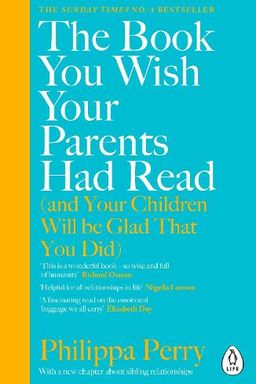
How does the way you relate to your child today echo through the rest of their life? In The Book You Wish Your Parents Had Read (and Your Children Will Be Glad That You Did), Philippa Perry argues that parenting isn’t about perfect techniques or clever hacks—it’s about nurturing a lifelong, authentic relationship built on connection, empathy, and repair. Perry’s message is both radical and reassuring: if you want your child to thrive, it matters less what you do and more how you are with them.
Instead of chasing the illusion of being the ‘good’ parent, Perry contends that our greatest task is learning to feel with our children rather than trying to fix or distract them. Parenting, she says, is a relational journey, not a project of perfection. Along the way, you’ll face frustration, guilt, even regret, but if you can understand your own emotional inheritance—and respond with self-awareness and sincerity—you’ll raise children who feel seen, safe, and capable of love.
Breaking Free from Your Parenting Legacy
Much of what we do as parents is automatic. When you find yourself scolding your child with the same tone your parents used—or avoiding confrontation the way they did—it’s your upbringing speaking through you. Perry insists that we all carry the emotional habits and coping mechanisms our caregivers modeled. The ‘inner critic’ that tells you you’re failing as a parent or that you’re not good enough likely isn’t yours alone—it’s an inherited voice from childhood. The book’s first section, “Your Parenting Legacy,” helps you notice those unconscious patterns and rewrite them.
She challenges you to pause before reacting, to ask, “Whose feeling is this?” Often, the anger or anxiety we feel toward our child comes from our own past—echoes of moments when we felt unseen or powerless. Perry’s story of Tay, a mother who shouts at her daughter on the climbing frame, beautifully illustrates this. When Tay realized her fury was directed not at her child but at her own mother’s overprotectiveness decades ago, she was able to repair the rupture and reconnect with her daughter. Understanding where your emotional triggers come from is the first step toward breaking toxic intergenerational patterns.
The Power of Rupture and Repair
No relationship—especially between parent and child—stays in perfect harmony. Perry borrows from Donald Winnicott’s concept of “rupture and repair”: we will inevitably misunderstand or hurt our children, but healing those moments strengthens trust and resilience. Admitting when you were wrong and apologizing isn’t weakness, she says—it’s modelling honesty and emotional growth. When Perry did this repeatedly with her own daughter, she noticed Flo learned to apologize and self-reflect as a child. Repairing ruptures doesn’t make you a perfect parent; it makes you a real one.
Throughout the book, Perry emphasizes that authenticity matters more than perfection. Children don’t need faultless parents; they need parents who are consistent, honest, and responsive. Pretending not to feel sadness, impatience, or anger only teaches children that such feelings must be repressed. When you show them that difficult emotions can be managed—not denied—you give them tools for mental health and empathy that last forever.
Love, Boundaries, and Emotional Truth
Perry’s definition of love isn’t soft indulgence; it’s respect plus boundaries. She reminds us that children are people, not pets or projects. They deserve to be treated with dignity, to have their feelings validated, and to be guided with truth rather than manipulation. Whether the issue is tantrums, lying, clinginess, or teenage defiance, Perry asks parents to decode the feelings beneath the surface behavior. “All behavior is communication,” she writes. Instead of labelling a child’s actions as ‘good’ or ‘bad,’ ask what need or frustration they’re expressing. Then respond accordingly—with words, empathy, and boundaries that define you rather than define them.
Her phrase “define yourself, not the child” captures this perfectly. Instead of saying, “You’re too young to go out late,” you can say, “I feel worried when you’re out past ten.” It teaches children how to articulate emotion and negotiate relationships, not how to obey authority blindly. The book is full of practical examples like this that show how language, tone, and empathy shape lasting trust.
Why This Book Matters Now
In a culture obsessed with techniques—from sleep training to sticker charts—Perry’s approach is refreshingly human. Parenting, she believes, isn’t about behaviour control; it’s about emotional literacy. Our children’s capacity for happiness depends on our capacity to feel—with them, for them, and sometimes despite them. She weaves insights from psychotherapy, anthropology, and neurobiology into practical wisdom: a parent’s calm containment mirrors a therapist’s ability to hold emotion safely, allowing the child to internalize stability and empathy.
Ultimately, Perry’s book isn’t just about raising children—it’s about becoming the kind of adult they can trust. It’s about cultivating relationships where love isn’t conditional, difference isn’t punished, and mistakes aren’t fatal. “We can’t protect our children from pain,” Perry writes, “but we can be alongside them when they feel it.” That’s the thread running throughout the book: connection over perfection, empathy over judgement, love plus boundaries over manipulation. If you wish your parents had read one book before raising you, this might be it—and your children will be thankful if you do.