
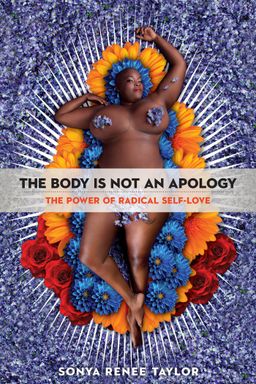
The Body Is Not an Apology cover

The Body Is Not an Apology

by Sonya Renee Taylor

The Body Is Not an Apology empowers readers to dismantle harmful body narratives through radical self-love. Sonya Renee Taylor guides you in rejecting societal pressures, embracing body diversity, and nurturing a compassionate relationship with yourself.

Radical Self-Love as a Revolution of the Body

Have you ever apologized for your body—maybe quietly, by shrinking yourself in a photo, resisting a mirror, or hiding behind layers of clothing? In The Body Is Not an Apology, Sonya Renee Taylor asks what might happen if you stopped saying sorry. She argues that the relationship you have with your body is inseparable from your relationship with humanity itself. If you want a more just, compassionate world, you must first practice radical self-love: a revolutionary kind of love that dismantles shame, inequality, and terror from within.

Taylor’s core claim is as simple as it is transformative: our bodies are not mistakes. They are not to be fixed, resized, reshaped, concealed, or apologized for. Instead, they are sites of power and truth. But to reclaim that truth, we have to understand how centuries of body-shaming systems—racism, sexism, ableism, fatphobia, transphobia, and ageism—have taught us to despise ourselves and others. Radical self-love isn’t about self-esteem or confidence; it’s about uprooting the entire architecture of shame that governs our world.

The Birth of a Movement

The phrase “The body is not an apology” first fell from Taylor’s lips during a conversation with a friend with cerebral palsy who feared judgment about her sexual choices. When Taylor told her, “Your body is not an apology,” she realized the words were as much for herself as anyone else. That truth—our bodies do not exist to say sorry—sparked a digital movement reaching millions around the world. The book builds on that spark, establishing “radical self-love” as the foundation for personal liberation and social transformation.

Why Radical and Why Now

Taylor makes it clear that ordinary self-love isn’t enough. “Radical” here means going to the root. It’s fundamental, intersectional, and extreme precisely because the forces arrayed against our self-worth—capitalism, patriarchy, colonialism—are extreme. She reminds us that even laws and economies are written on bodies. Who gets health care? Whose hair is deemed professional? Who gets searched at airports, desired on screen, or given the benefit of the doubt by police—all of this is about the body. To imagine justice, we must love bodies radically.

Radical self-love therefore becomes both personal and political. By healing your own shame, you contribute to healing societal shame. When you make peace with your body, you join what Taylor calls the global movement to end “body terrorism”—the structural violence committed against those whose bodies are deemed unacceptable.

The Three Peaces

Taylor frames the journey toward radical self-love around three essential reconciliations: making peace with not understanding, making peace with difference, and making peace with your body. You don’t have to comprehend every human experience to honor it. You only need to accept that difference is not deficiency. These peaces prepare you to see that your own body is worthy of love exactly as it is—and to know that every judgment you make against yourself also extends to the world.

From Body Shame to Body Revolution

The book chronicles how we learn to hate our bodies—through early childhood teasing, media messages, governmental laws, cultural norms, and family expectations. In one poignant example, a young girl named Keisha is mocked for bald spots caused by tight braids. That moment becomes an origin story of shame—one replicated in millions of lives where difference is punished. Taylor insists these experiences aren’t isolated; they are orchestrated by what she calls the Body-Shame Profit Complex, a global economy making billions from our self-hatred.

Thinking, Doing, and Being

To rebuild radical self-love, Taylor invites us into three modes: thinking (challenging inherited beliefs), doing (practicing new behaviors), and being (embodying love as our essence). She offers four pillars—Taking Out the Toxic, Mind Matters, Unapologetic Action, and Collective Compassion—and ten practical tools, like “Dump the Junk” (a media detox) or “Reframe Your Framework” (seeing your body as an ally, not an enemy). These tools form a roadmap back to the self you once knew as a curious, unabashed child.

Love as Liberation

The book culminates in Taylor’s Brazilian rooftop revelation: “Liberation is the opportunity for every human, no matter their body, to have unobstructed access to their highest self.” Radical self-love isn’t just self-care—it’s a strategy for global liberation. Taylor’s vision imagines a world where difference is delight, not danger; where every body has space to breathe, move, and belong. Reading The Body Is Not an Apology isn’t simply self-help—it’s world-help, asking you to start with your own reflection and ripple outward until shame itself collapses under the weight of love.


The Anatomy of Shame

Taylor devotes an entire section to tracing how shame becomes lodged in our bodies. She calls these moments “body-shame origin stories.” Often, they begin in childhood, when someone points out difference—a disabled hand, a larger stomach, darker skin—and society reacts with laughter or disgust. Shame first registers as isolation, then expands into self-surveillance. You learn not just that you are different but that your difference is wrong.

How Shame Is Taught

Children aren’t born comparing thighs or hair textures. They are taught to do so by teasing peers, careless adults, and pervasive media. Keisha, teased for bald spots from braids, learns her body violates the “normal” female image. Nia, a young Black girl in Taylor’s neighborhood, is humiliated when puberty makes her body public spectacle. Even sympathy can reinforce shame: a mother scolding her child for noticing a woman’s wheelchair teaches that difference must be ignored instead of honored.

Media and the Body-Shame Complex

From magazines celebrating “perfect” bodies to reality shows rewarding physical punishment, media amplifies shame to profit. The Body-Shame Profit Complex (BSPC) pumps billions into global advertising that tells you your body is a problem only billion-dollar industries can solve. Beauty conglomerates and diet companies thrive on turning insecurity into consumption. As Taylor notes, “We are collectively spending more on lipstick, shampoo, and tanning spray than the economic output of three-fourths of the planet.” That figure isn’t just absurd—it’s evidence that shame has become a business model.

Governmental Control and Body Politics

Taylor makes the point that our governments legislate shame into law. Bodies deemed “deviant”—queer, fat, disabled, foreign—are criminalized or controlled. From forced sterilizations of prisoners to deportations based on BMI, she cites examples that reveal politics as the policing of flesh. Naomi Wolf’s warning that “a culture fixated on female thinness is really an obsession with female obedience” echoes Taylor’s view: when a population is ashamed, it’s easier to control.

From Body Terrorism to Freedom

Ultimately, Taylor reframes shame as a weapon of “body terrorism”—the systematic use of fear to coerce compliance. Her own TSA horror story, being sexually groped under the guise of airport security, exposes how institutions deploy terror to discipline bodies. For trans woman Leelah Alcorn, whose suicide followed social rejection, shame became fatal. These aren’t isolated events but manifestations of what happens when societies forget that bodies themselves are sacred. Radical self-love becomes an act of nonviolent resistance: to love what the world has taught you to fear.


Mapping Radical Self-Love

Once you understand how body shame operates, Taylor offers a path out: a map built on the philosophy of “thinking, doing, being.” You retrain your mind, adjust your actions, and embody new ways of living. This isn’t a fuzzy concept—it’s practical spirituality grounded in psychology, habit, and compassion.

Thinking: Confronting the Outside Voice

Taylor distinguishes between your “inside voice”—the inherent truth of love—and the “outside voice”—the chorus of shame you’ve inherited from culture. Thoughts aren’t facts, she reminds you. When fear or judgment arises, say, “Thank you for sharing,” then release it. Recognizing that these thoughts aren’t yours but products of social programming helps reclaim authorship of your mind. This framework echoes cognitive behavioral therapy and mindfulness training (similar to Tara Brach’s Radical Acceptance), translating psychology into self-compassion.

Doing: Practicing Fear-Facingness

Taylor’s experience with free diver Davide Carrera—who told her, “I must learn the difference between fear and danger”—becomes a metaphor for personal transformation. You can’t heal shame by avoidance. You must take action even when afraid. Fear-facingness means diving into discomfort while trusting that your body knows the way. Small acts of doing—posting an unfiltered photo, speaking kindly about your stomach, rejecting toxic media—are freedom practices. Each new action is, as the diver said, “a tiny freedom.”

Being: Emanating Love

When thinking aligns with doing, being changes. You begin to radiate what Taylor calls “unencumbered love.” Children display this effortlessly; they’re still in natural harmony with their bodies. Adults can return there through consistent practice—choosing thoughts and behaviors that affirm rather than attack. Being in radical self-love doesn’t mean perfection. It means authenticity: living each day as proof that shame doesn’t define you.


The Four Pillars of Practice

Building radical self-love requires structure. Taylor’s Four Pillars of Practice—Taking Out the Toxic, Mind Matters, Unapologetic Action, and Collective Compassion—form the backbone of her philosophy. Each corresponds to a stage of internal renovation: clearing clutter, reimagining thought, taking empowered steps, and connecting to others.

Pillar 1: Taking Out the Toxic

This pillar purges the external poison. Taylor equates living under body terror to drinking three Big Gulps of shame a day. Detoxing doesn’t require quitting society—it means mindful consumption. Ask: what shows, feeds, and conversations reinforce my self-hate? A media fast or audit of purchases reveals how you fund the industries that profit from your insecurity. Her tool “Dump the Junk” encourages you to turn off channels that make bodies punchlines and to redirect attention to creativity and community.

Pillar 2: Mind Matters

After clearing external clutter, you mend the mental map. Reconnecting brain and body is central: mental illness, depression, and neurodivergence are part of the body, not separate. “It’s all in your head” becomes an ableist dismissal rather than care. Practices like reframing (“Your body is not the enemy”), meditation, and banishing dualistic (“binary”) thinking expand inner space. Taylor’s mantra exercise—repeating affirmations like “My body is my ally”—builds new neural pathways of compassion.

Pillar 3: Unapologetic Action

Action anchors belief. Taylor urges you to explore your own terrain—literally touch your body lovingly and without shame. She shares women’s stories of reconnecting with their physical selves after trauma, using gentle structure and intention. Pleasure and movement return as joy, not punishment. Whether dancing instead of dieting or rewriting your personal story—as Julie did when she turned her back hair into angel wings—these actions reclaim your body from silence.

Pillar 4: Collective Compassion

Love that starts inside must spill outward. This pillar teaches that no one heals alone. Radical self-love thrives in community that interrupts shame in secrecy. Using Brené Brown’s research on vulnerability, Taylor shows that courage is contagious: when you declare your imperfections publicly, you give others permission to do the same. Ultimately, compassion for self and others fuels revolution—the kind of love that rebuilds systems from empathy rather than ego.


Ten Tools for the Journey

Taylor’s radical self-love toolkit turns philosophy into daily practice. Each tool correlates with the Four Pillars, offering tangible steps to detox and heal. From curbing self-deprecation to finding community, these methods invite continuous engagement rather than instant enlightenment.

Taking Out the Toxic Tools

  • Dump the Junk: Limit exposure to media that profits from shame. Replace screen time with creativity or rest.
  • Curb Body Bad-Mouthing: Interrupt self-deprecating humor used as bonding (think dressing-room banter) and replace it with affirmations that uplift both yourself and others.

Mind Matters Tools

  • Reframe Your Framework: Stop seeing your body as your enemy. Chronic illness or gender dysphoria doesn’t mean betrayal—it means coexistence and compassion.
  • Meditate on a Mantra: Practice mindfulness paired with affirmations like “I have the body I need to live my best life.”
  • Banish the Binary: Release “good/bad” and “normal/weird” thinking. Humans aren’t laundry—complexity is beautiful.

Unapologetic Action Tools

  • Explore Your Terrain: Touch, observe, and honor your body. Pleasure isn’t a sin; it’s a sacred right.
  • Be in Movement: Exercise for joy, not guilt. Reject “shoulds”—move like you did at childhood recess.
  • Make a New Story: Rewrite shame narratives. Julie’s “angel wings” story transforms perceived flaws into beauty.

Collective Compassion Tools

  • Be in Community: Vulnerably share and listen. Connection cures isolation—the key mechanism of body shame.
  • Give Yourself Some Grace: Expect setbacks. Love yourself even when the world’s noise drowns your inner voice.

By practicing these tools, you evolve self-love from theory to embodied reality. Each one is a quiet rebellion against a system profiting from your apology.


From Self-Love to World-Love

Taylor insists that radical self-love cannot be selfish. Once you free yourself from shame, you gain power to challenge systemic oppression. The personal and political merge: loving your own body becomes a form of activism.

Implicit Bias and the Language of Body Terror

Our societies speak the language of prejudice fluently. Taylor likens internalized oppression to learning French as a native tongue—you don’t even realize you’re speaking it. Every time you judge a stranger’s outfit or mock “different” bodies, you reenact body terrorism subconsciously. Awareness interrupts this fluency. Naming implicit bias—the automatic stereotypes shaping behavior—unmasks the hidden curriculum you’ve been taught since childhood.

Changing Hearts and Systems

Radical love isn’t merely emotional; it’s structural. Drawing inspiration from Grace Lee Boggs and Che Guevara, Taylor argues that revolutions require changing hearts, not just laws. Otherwise, oppression mutates—slavery becomes mass incarceration; body control becomes asylum denial. Systemic humanitarianism begins when people rewire compassion at the individual level. As Taylor’s rooftop epiphany reveals, liberation happens “when every human, no matter their body, has unobstructed access to their highest self.”

Unapologetic Agreements

To extend radical love outward, Taylor offers thirteen “Unapologetic Agreements”—rules for dialogue and connection. They include practicing curiosity instead of debate, honoring varied journeys, accepting discomfort, and focusing on love as the goal. Conversations can be messy, she warns, but the antidote to centuries of body terrorism is gentleness. These agreements are her blueprint for sustained liberation: compassionate communication, patience, and empathy that endure beyond theory.

Ultimately, The Body Is Not an Apology teaches that loving your body is the cornerstone of loving the world. When you stop apologizing for yourself, you stop demanding apologies from others. In doing so, you dismantle the hierarchy of worth that divides humanity, revealing a truth radical in its simplicity: all bodies are sacred. And none are sorry.

Dig Deeper

Get personalized prompts to apply these lessons to your life and deepen your understanding.

Go Deeper

Get the Full Experience

Download Insight Books for AI-powered reflections, quizzes, and more.