
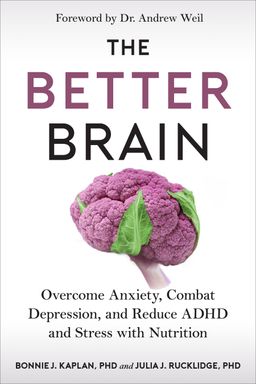
The Better Brain cover

The Better Brain

by Bonnie J Kaplan and Julia J Rucklidge

The Better Brain reveals how good nutrition can be the ultimate solution to mental health issues like anxiety, depression, and ADHD. Kaplan and Rucklidge provide compelling evidence, actionable tips, and recipes to help you harness the power of food, transforming your mental wellness naturally.

Feeding the Brain for Mental Health

What if the missing link in mental health wasn’t talk therapy or medication, but nutrition? In The Better Brain, researchers Bonnie Kaplan and Julia Rucklidge argue that we’ve ignored the most fundamental factor in emotional and cognitive well-being: the nutrients that fuel every metabolic reaction in your brain. They contend that modern psychiatry has been built around pharmaceuticals while overlooking the biology of food—how vitamins, minerals, and whole foods shape neurotransmitters, energy production, and even gene expression.

Across decades of clinical observations, patient recoveries, and rigorous trials, the authors build a compelling case that improving nutrition can reduce depression, calm ADHD, help trauma recovery, and support emotional resilience. Their message is practical: eat real, nutrient-rich food first, and consider broad-spectrum micronutrients when diet alone cannot meet your needs.

The Mental Health Crisis and the Overreliance on Drugs

One in five adults today has a diagnosable mental health condition, yet prescription rates for antidepressants have skyrocketed without reducing depression or suicide at the population level. Kaplan and Rucklidge trace this failure to structural blind spots: medical education barely teaches nutrition, while pharmaceutical companies heavily fund continuing education and clinical guidelines. This results in a drug-first mentality that leaves nutrient deficiencies unaddressed.

Key Idea

“If nutrients matter and most physicians don’t learn about nutrition, then many patients will never be offered an important, low-risk treatment option.” – Kaplan & Rucklidge

Biological Foundations: How Nutrients Power the Brain

Your brain is an energy-hungry organ that depends on micronutrients to run its complex chemistry. Minerals and vitamins act as cofactors for enzymes that synthesize neurotransmitters like serotonin and dopamine, produce ATP within mitochondria, and regulate gene activity through methylation. Deficits in any of these can produce slower neural signaling, impaired memory, or emotional instability. The authors stress that your brain’s biochemical network cannot be repaired by replacing one nutrient—it requires broad, balanced intake through diet and, if needed, supplementation.

Micronutrients don’t just prevent deficiency diseases; they optimize resilience. Folate, B12, magnesium, and zinc are examples of nutrients critical for methylation and mood regulation, while omega-3 fats (EPA/DHA) from fish strengthen neuronal membranes. When stress, pregnancy, or illness increases nutrient demands, unrecognized shortfalls can manifest as anxiety or irritability—signs that the brain is undernourished.

Evidence from Multinutrient Trials

The book’s central evidence revolves around EMPowerplus (EMP) and Daily Essential Nutrients (DEN), formulas developed in Alberta after a family story of recovery from bipolar disorder (Autumn Stringam). Clinical trials led by Rucklidge and others demonstrate substantial benefits for ADHD, mood disorders, and emotional regulation—often rivaling medication effects with far fewer side effects. About 80% of participants show improvement, and half are “much to very much improved.”

These results extend to trauma recovery and disaster contexts. After the Christchurch earthquakes and mosque shootings, multinutrient supplementation dramatically reduced PTSD symptoms. Similar outcomes appeared in flood-survivor trials using B-complex pills alone, supporting the theory that stress depletes nutrients and that rapid replenishment aids psychological recovery.

Dietary Patterns and Food Environments

Large-scale studies show that dietary patterns predict mental health outcomes. Mediterranean-style diets rich in vegetables, fruits, fish, and whole grains correlate with lower depression and anxiety rates, while Western diets high in ultra-processed foods correlate with higher risk. Intervention trials like SMILES and HELFIMED prove that diet changes can treat depression in weeks—sometimes outperforming social-support controls.

Yet the global food supply has shifted toward ultra-processed, micronutrient-poor products. Rising CO2 levels and industrial farming have lowered mineral content in crops. This trend, combined with heavy pesticide use (particularly glyphosate), alters both soil and human microbiomes. The authors argue that public policy must see food quality as mental health infrastructure.

Gut and Soil Microbiomes: The Hidden Link

Microbial life connects soil health to human brain health. Gut microbiomes influence inflammation, vitamin synthesis, and neurotransmitter production. Animal studies even show that transferring gut microbes alters anxiety-like behaviors. Magnesium, fiber, and fermented foods such as yogurt and kimchi sustain this microbial diversity. When soil loses its microbial vitality, crops lose minerals, creating a feedback loop that undermines brain nutrition worldwide.

A Food-First Plan and System Reform

The authors call for a food-first strategy: base your diet on whole, Mediterranean foods; supplement when stress or biology demands more; and push for system reform so nutrition becomes part of healthcare training and public reimbursement. Their vision includes prenatal nutrition programs, education for physicians, and coverage for evidence-based nutrient formulas. In their model, mental health care begins at the table, not the pharmacy.

Kaplan and Rucklidge conclude with optimism. Real food can restore mood, cognition, and resilience. Multinutrients can complement therapy, and healthy soil sustains human vitality. The book is therefore not just dietary advice—it’s an ethical vision: treat nutrition as medicine, and expect recovery.


How Micronutrients Fuel Your Brain

Your brain is a biochemical symphony powered by micronutrients—tiny compounds that make every cell function. Kaplan and Rucklidge explain that while calories from macronutrients (protein, fat, carbohydrates) supply energy, micronutrients make that energy usable. Without enough cofactors like zinc, iron, magnesium, and vitamins B6 and B12, the brain’s enzymes falter, leading to sluggish neurotransmission and unstable moods.

Neurotransmitter Synthesis and Energy

Serotonin and dopamine depend on multi-step enzymatic reactions. Each step requires a vitamin or mineral cofactor—for serotonin, that means iron, calcium, and vitamin B6. Deficiencies degrade synthesis, so you may feel depleted even with normal tryptophan intake. Likewise, your mitochondria need dozens of nutrients for ATP production (energy currency). When ATP production falters, focus and emotional regulation suffer.

Methylation and Epigenetics

You don’t inherit mental health as destiny; your diet shapes gene expression through methylation. Folate, B12, B6, riboflavin, and zinc transfer methyl groups that regulate DNA activity. The authors cite the classic agouti mouse example and honeybee studies, showing diet-driven epigenetic shifts. Human studies, especially in the APrON cohort, reinforce that maternal nutrient status can alter children’s behavior and even white-matter development.

Stress and Increased Nutrient Demand

Periods of stress, pregnancy, or illness raise nutrient requirements dramatically. The body’s triage response diverts resources to short-term survival and away from repair or emotional regulation. Under chronic strain, stores of B vitamins and minerals deplete, creating biochemical bottlenecks that mimic psychiatric symptoms. That’s why trauma studies show extraordinary benefits from simple B-complex supplementation.

Why Broad-Spectrum Beats Single-Nutrient Fixes

Past psychiatric research fixated on single nutrients—tryptophan, folic acid, or omega-3s—but results were inconsistent because brain chemistry requires systems, not solo acts. Multinutrient formulas balance cofactors and correct multiple shortfalls simultaneously, providing the biochemical stability drugs often cannot. This holistic view rewrites “chemical imbalance” as “nutrient network imbalance.”

The scientific takeaway: your mental clarity depends on dozens of invisible spark plugs keeping neural metabolism running smoothly. Feed all of them, and your brain performs as designed.


Whole-Food Diets for Emotional Stability

The authors reveal that mental health correlates strongly with what you eat every day. Diets rich in vegetables, fruits, fish, nuts, and unprocessed grains support calmer moods, sharper cognition, and less anxiety. The worldwide data—from Spain’s SUN cohort to Australia’s SMILES trial—show that traditional diets reduce depression even when participants make no other lifestyle change. Diet intervention becomes medication in all but name.

Mediterranean Principles Made Practical

Kaplan and Rucklidge distill their food-first guidance into simple rules: make half your plate vegetables and fruit, one quarter whole grains, one quarter lean protein and good fats. They cite Laura LaChance and Drew Ramsey’s “antidepressant foods” analysis—leafy greens, peppers, and crucifers rank highest for plant sources; oysters and mussels for animal ones. Recipes like the Kale-Quinoa Salad and Beautiful Green Frittata translate the science into daily action.

Cutting Ultra-Processed Foods

Ultra-processed items dominate Western diets but rob the brain of micronutrients. The authors warn that sugar intake has multiplied since the 1800s, displacing real nutrition. Processed fats and sodium raise inflammation and blood pressure, correlating with poor cognitive and emotional outcomes. Studies even show reduced disciplinary actions in schools when sugar consumption drops. Minimizing these products is both prevention and therapy.

Budget and Accessibility

Eating well doesn’t have to cost more. Families in trials of the “ModiMed” modified Mediterranean diet cut weekly expenses while improving depression. Simple tools—Instant Pot, air fryer, batch cooking—make the shift efficient and realistic. Even canned tomatoes or frozen spinach count as “real foods” if additives are minimal.

Eating better, the authors insist, is less about gourmet aspiration than about reclaiming control from industrial food. Every meal can be mental-health medicine if it’s whole, colorful, and minimally processed.


Microbiomes, Soil, and Hidden Influences

Behind nutrition lies another invisible ecosystem: microbes in your gut and the soil that grows your food. Kaplan and Rucklidge show that these microbial networks directly affect immunity, inflammation, and neurotransmitter production. The gut-brain axis links digestion to mood regulation through metabolites and the vagus nerve, explaining why fiber and fermented foods often produce mental calm.

The Gut’s Role in Behavior

Animal experiments transferring gut cultures between mice can actually transfer anxiety or sociability traits. Human studies, including fecal microbiota transplants for autism, demonstrate parallel benefits. In children receiving multinutrients (DEN), changes in gut microbiome composition correlated with symptom improvement. These findings suggest microbes mediate at least part of the nutrient–mental-health connection.

Food and Farming

Healthy soil builds healthy plants, and healthy plants build healthy brains. Industrial agriculture, rising CO₂, and glyphosate use have depleted minerals in crops and disrupted soil microbiota. The authors caution that “if soil is mineral-poor, so is your food.” Environmental toxins like bisphenol A and phthalates—linked to altered brain development in the APrON study—reinforce that dietary quality is inseparable from ecological health.

Practical Microbiome Support

You can nurture your microbiome with fiber (onions, beans, asparagus), fermented foods (kimchi, sauerkraut, kefir), and fewer antibiotics. These steps encourage microbial diversity that protects your mood and metabolism. Choosing local or organic produce helps support soil organisms and reduces pesticide exposure.

The takeaway: nourishing microbes—both in your body and your environment—is a fundamental act of mental self-care.


Trauma, Stress, and Nutrient Resilience

After trauma, your body’s nutrient needs surge. Stress hormones accelerate metabolic activity, consume B vitamins, and exhaust minerals involved in calming and memory formation. The book’s disaster studies—Christchurch earthquakes, Alberta floods, and mosque shootings—demonstrate how restoring nutrients restores emotional stability.

Triage Theory: How Stress Diverts Resources

Under severe stress, the body prioritizes immediate survival over long-term neural repair. Nutrients that would normally sustain brain chemistry get redirected toward energy and inflammation control. This biochemical triage leaves emotion-regulating circuits underpowered. Supplementing multinutrients after trauma rebalances this equation, helping people recover faster.

Real-World Recovery Studies

In the Christchurch earthquake sample, EMP users moved from clinical to nonclinical anxiety ranges within weeks. During the 2019 mosque shootings, PTSD prevalence dropped from 77% to 23% among participants receiving nutrients. Simple daily B-complex doses also improved mood in flood survivors compared to vitamin D alone.

Practical Applications

After crises, start with whole meals, add a morning B-complex, and consult a professional about multinutrient formulas. Riboflavin coloration in urine is harmless; the larger message is restorative: replenishing nutrient stores can rebuild resilience and prevent long-term PTSD.

Nutrition becomes not just prevention but emergency care for the brain under stress.


Supplements and Safe Use

When diet cannot supply everything, the authors guide you through safe, evidence-based supplementation. They emphasize breadth over single high-dose nutrients and advocate researched multinutrient formulas like EMPowerplus (EMP) and Daily Essential Nutrients (DEN).

Assessing Need and Expecting Change

Supplements help most in chronic mental-health conditions, postpartum periods, or under major stress. Expect several weeks to months before benefits appear. Do not rely solely on blood tests—normal serum levels don’t reflect brain sufficiency. Clinical response is more telling than lab data.

Balancing Breadth and Dose

Research doses exceed RDAs but remain below toxic limits. The formulas provide balanced amounts of 30+ nutrients, preventing the imbalances that come from isolated pills. For example, EMP studies commonly use four capsules twice daily, while DEN uses roughly four capsules thrice daily or powder forms for flexibility.

Safety and Medication Interactions

Multinutrients are well-tolerated; mild nausea or headaches usually resolve with food or slower titration. But nutrients can alter how drugs are metabolized—similar to grapefruit juice. You should never stop psychiatric medication abruptly; instead coordinate cross-titration with a prescriber. The authors emphasize collaboration, not replacement.

What to Expect Over Time

Many users report better sleep and calmer mood early on. Full therapeutic stabilization may take three to six months. Long-term observational data show sustained improvements with minimal risks. The principle is simple: use researched, broad-spectrum formulas thoughtfully and under guidance.

Supplements are not shortcuts; they are structured biochemical support systems helping the brain function as nature intended.


Building a Nutrition-First Future

The book ends with a vision that redefines mental-health policy and clinical education: nutrition first, supplements second, psychotherapy or medication third. Kaplan and Rucklidge argue that integrating dietary counseling and evidence-based nutrient interventions could save lives and money while empowering patients. Their model is both moral and economic—a blueprint for systemic change.

Three-Step Model

Step 1: Every mental-health clinic and school teaches basic food literacy—shopping, cooking, and plate design. It’s prevention disguised as education.
Step 2: Offer researched broad-spectrum nutrients before escalating to drugs.
Step 3: Combine therapy or medication only when nutritional and metabolic stability are achieved.

Policy and Education Change

They call for prenatal nutrition programs, medical-school nutrition curricula, and public insurance coverage for nutrient formulas. Agricultural policy should address soil mineral depletion and pesticide exposure. Economic case studies—from patients freeing themselves from decades of hospitalization—illustrate potential savings in the millions.

Core Motto

Expect recovery. Treat nutrition first—because every cell in your brain depends on what you feed it.

In this vision, mental health care becomes proactive rather than reactive. Education, accessibility, and soil health are the foundations of a mentally resilient society.

Dig Deeper

Get personalized prompts to apply these lessons to your life and deepen your understanding.

Go Deeper

Get the Full Experience

Download Insight Books for AI-powered reflections, quizzes, and more.